ANDROSCoGGIN VALLEY DENTAL
Crafting Beautiful Smiles With Precision And Care
ANDROSCoGGIN VALLEY DENTAL
Dentist in Berlin, NH
WELCOME!
Care You Can Trust. Smiles You’ll Love.
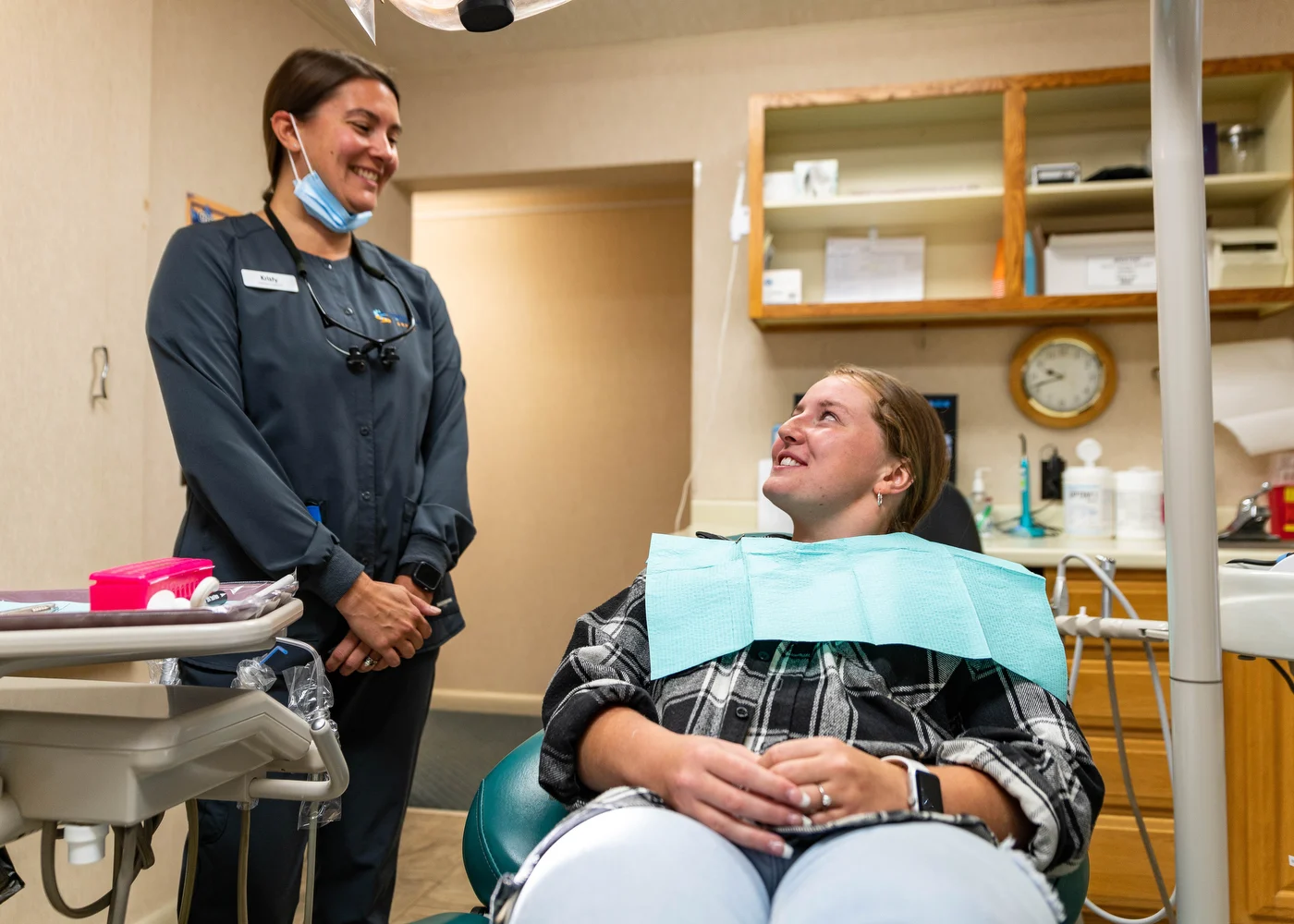
Looking for Berlin dental care you can feel comfortable with? Androscoggin Valley Dental provides comprehensive dental services for individuals and families in Berlin, NH, and the surrounding Androscoggin Valley communities. From preventive and emergency care to cosmetic, restorative, and Invisalign treatment, our team is here to support your oral health at every stage.
Our friendly, experienced team is committed to providing high-quality dental care while helping prevent oral health issues before they start. Through comprehensive, patient-focused dentistry, we support your long-term health and confidence—serving individuals and families throughout Berlin and the surrounding Androscoggin Valley communities.
COMPASSIONATE CARE. MODERN APPROACH.
Dentistry Designed Around Your Comfort and Confidence
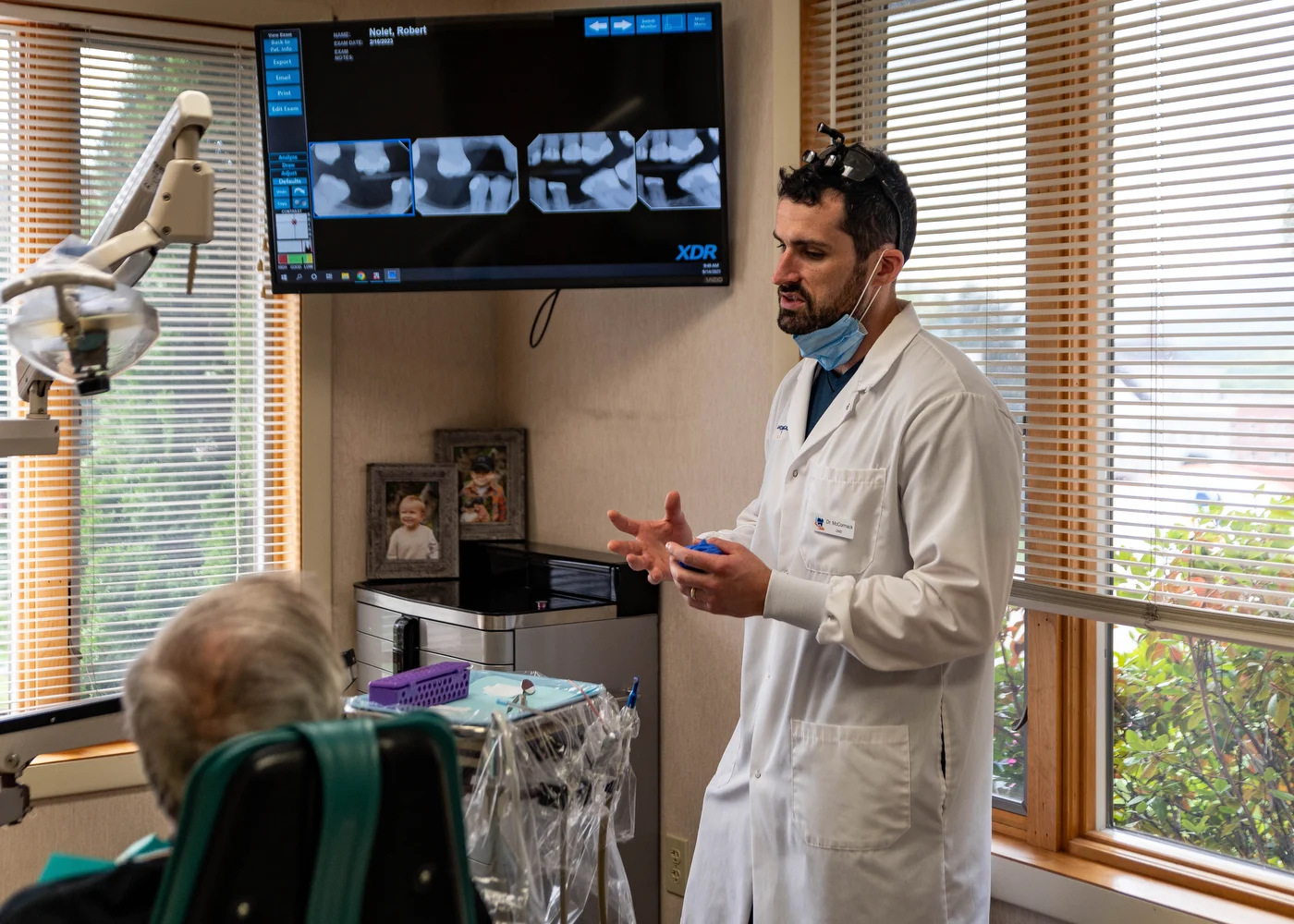
At Androscoggin Valley Dental, we believe great care starts with listening. Our doctors and team take a personalized approach to dentistry, combining modern techniques with a calm, welcoming environment. Whether you’re visiting for routine care or more advanced treatment, we focus on clear communication, gentle care, and results you can feel confident about—so every visit feels comfortable and stress-free.
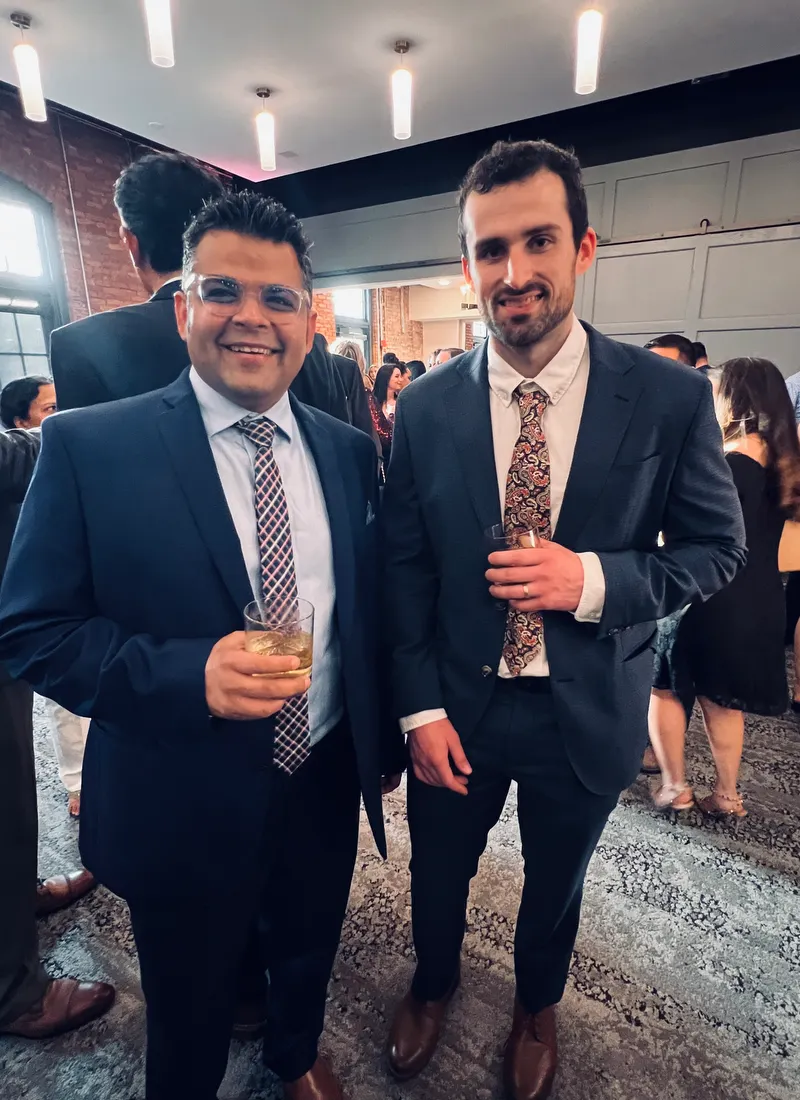
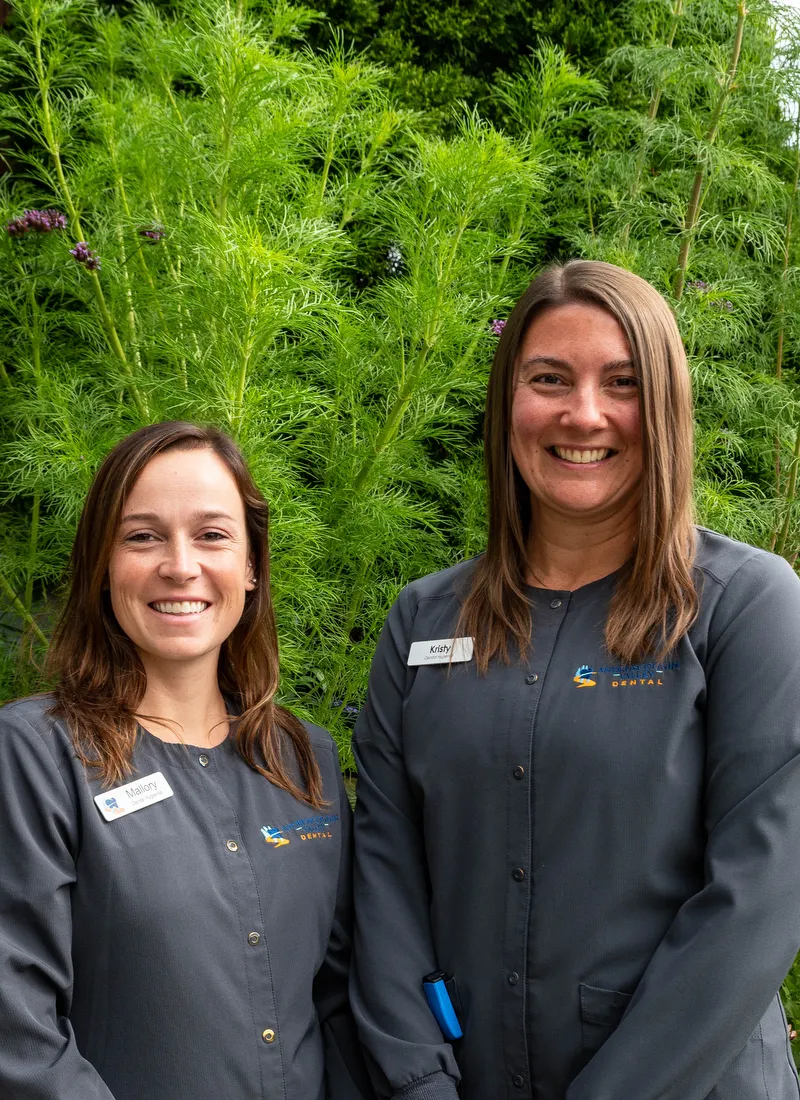
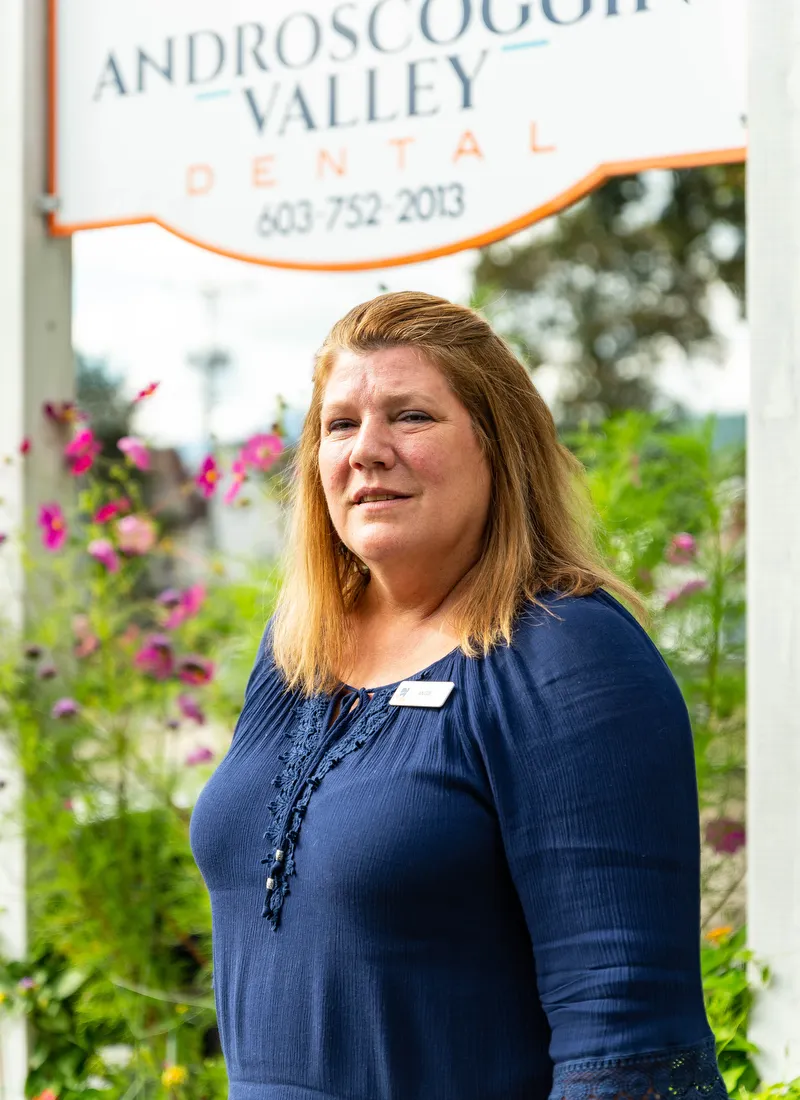
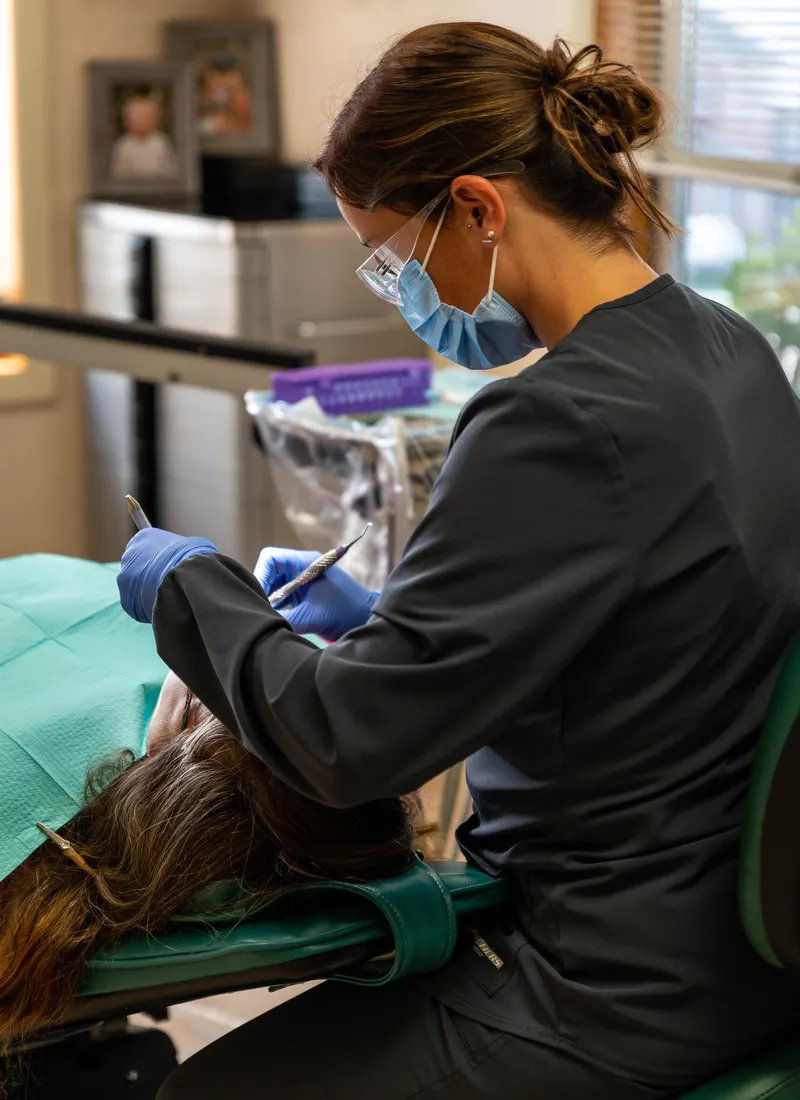
A GALLERY OF SMILES
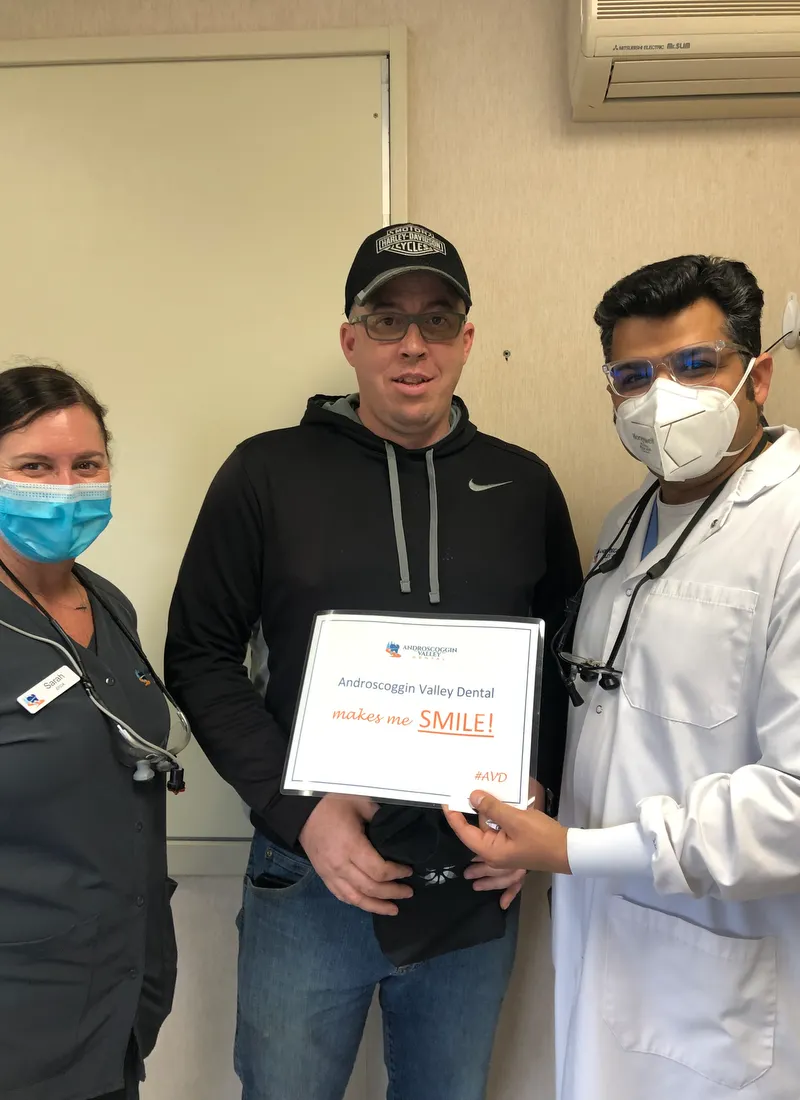
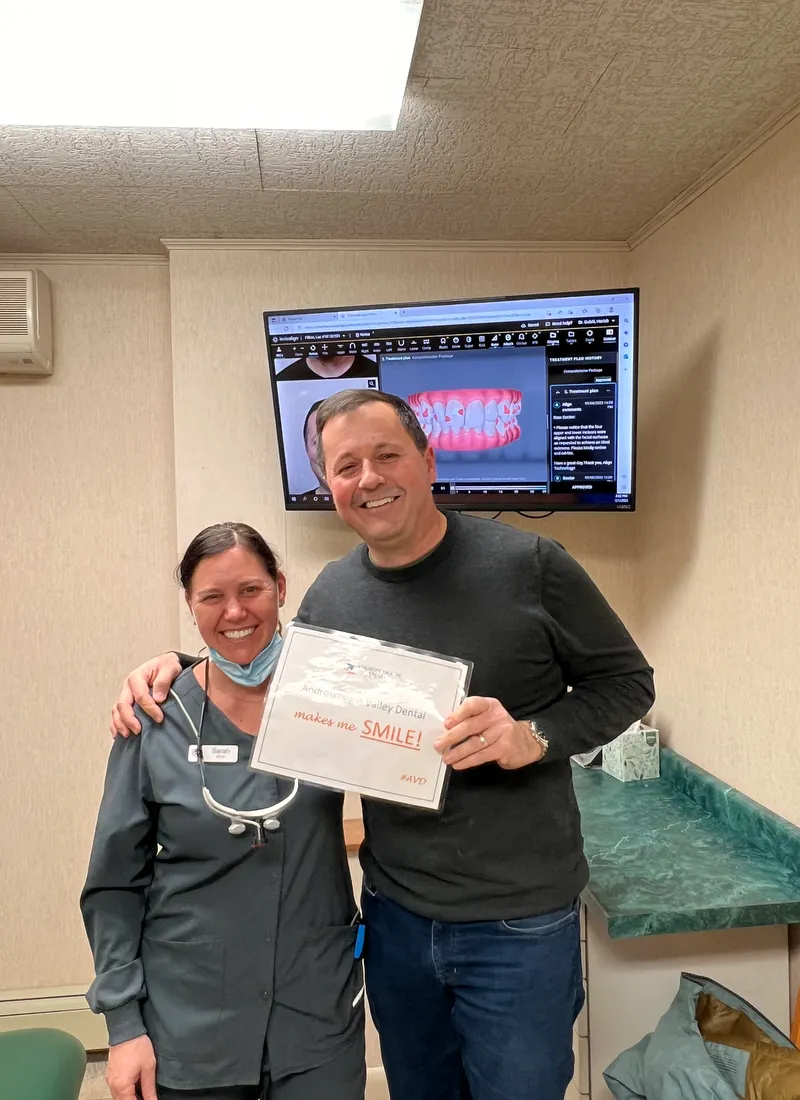
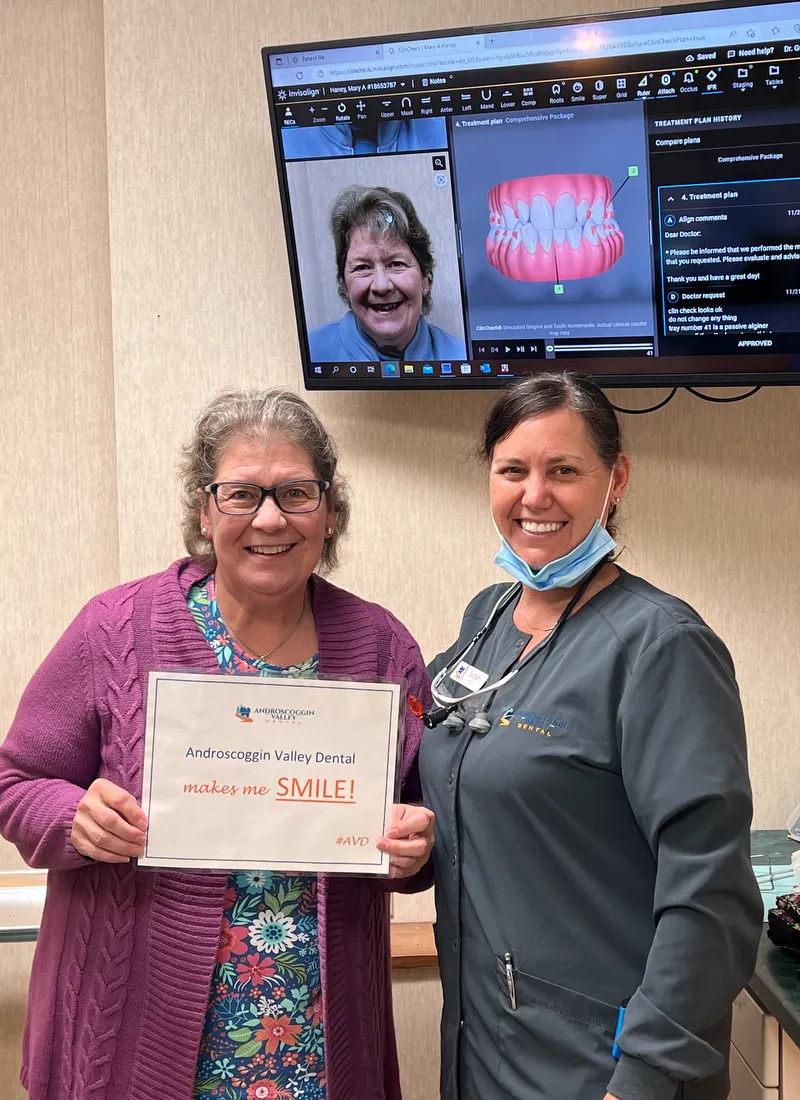
Smiles We’re Proud to Share
OUR SERVICES
Comprehensive Care for Every Stage of Your Smile in Berlin, NH

Emergency Dental Care
Fast, compassionate emergency dental care focused on relieving pain and addressing urgent dental concerns.

Cosmetic Dentistry
Personalized cosmetic dental treatments designed to enhance your smile’s appearance while preserving a natural, confident look.
General Dentistry
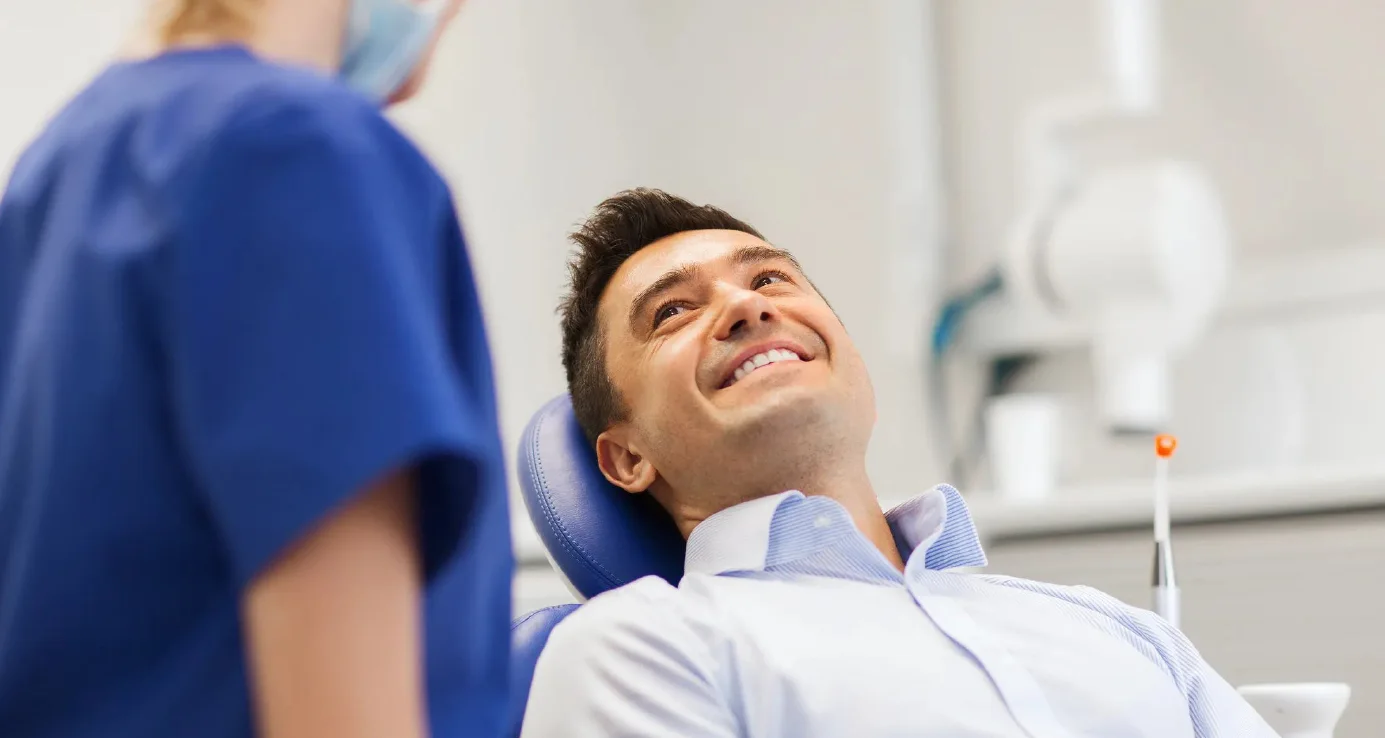
Comprehensive general dentistry focused on prevention, comfort, and long-term oral health for patients of all ages.
Invisalign
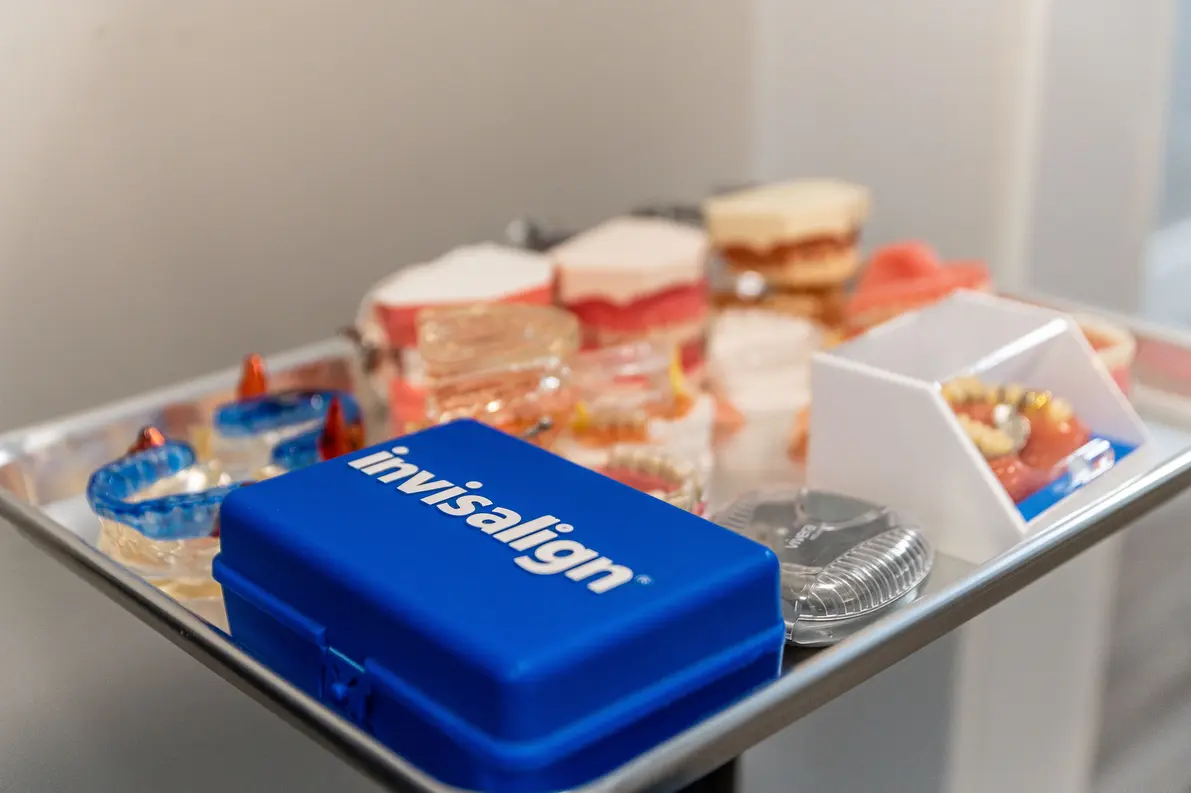
Clear, comfortable aligner treatment designed to gently straighten teeth, improve alignment, and fit your lifestyle.
Dental Implants
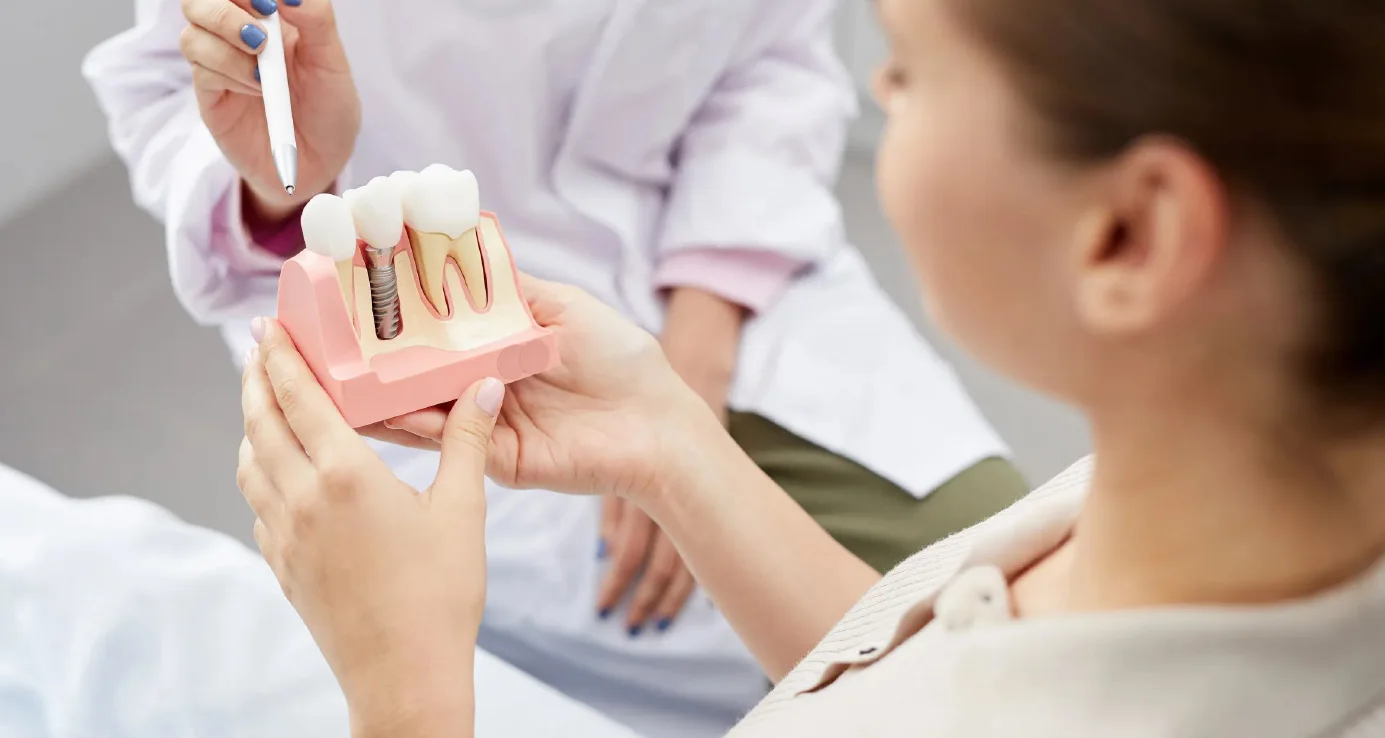
Long-lasting tooth replacement solutions designed to restore function, stability, and confidence with natural-looking results.
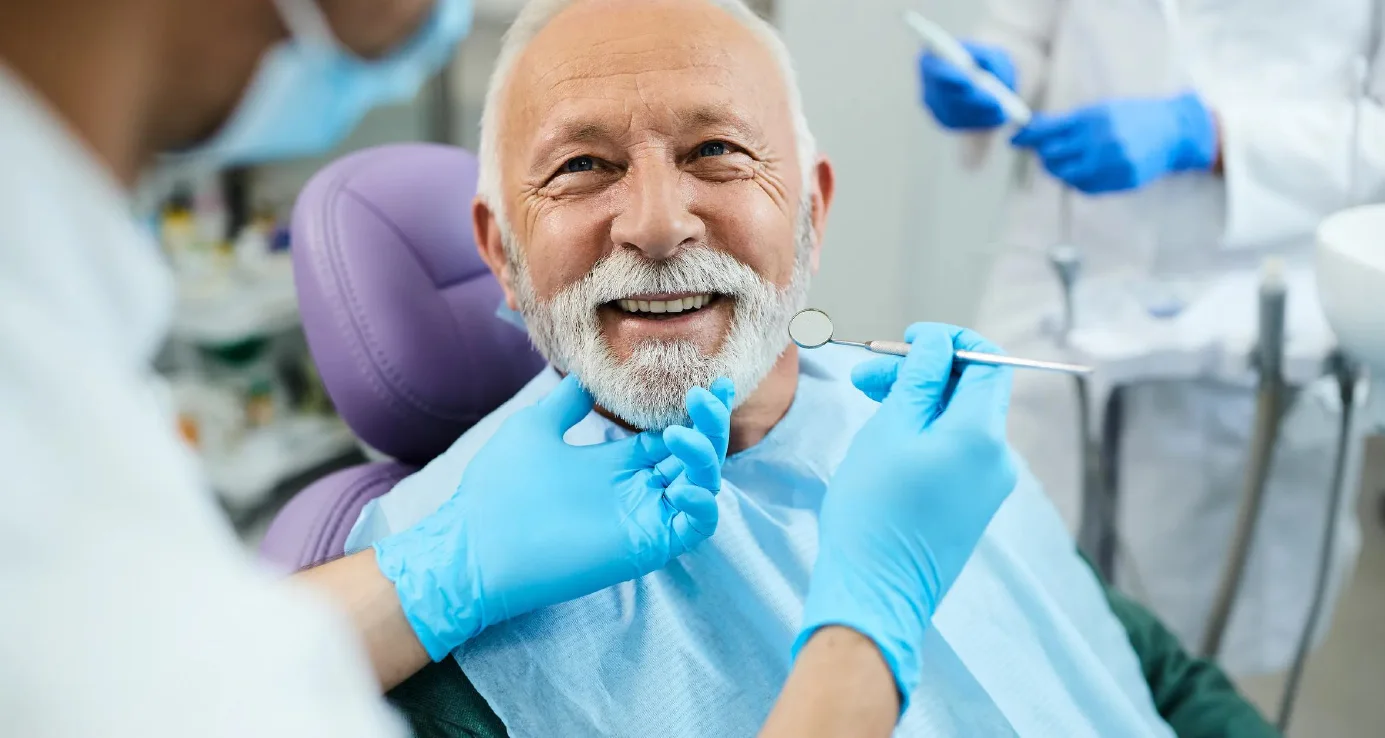
Dentures
Custom-crafted full and partial dentures designed to restore comfort, function, and confidence in everyday life.
MEET YOUR DENTIST
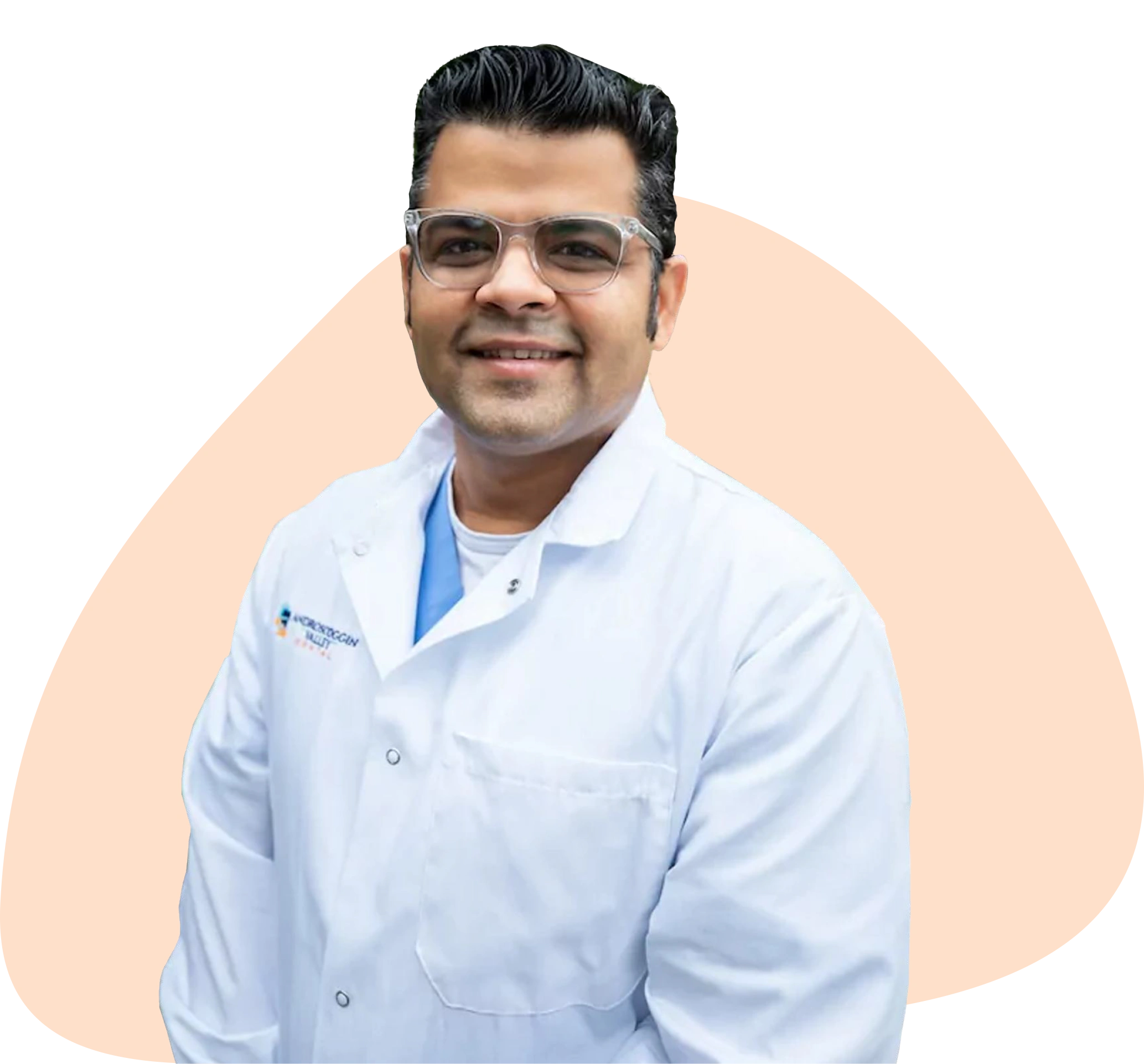
Meet Dr. Harry Gulati
Dr. Harry Gulati is a highly skilled dentist in Berlin, NH with a strong focus on preventive and restorative care. He has earned degrees from Tufts University and Boston University and currently serves as an adjunct associate professor at Tufts. Dr. Gulati is actively involved in continuing education, lectures internationally, and participates in peer review within the dental community. He is committed to delivering thoughtful, high-quality care while building trusted relationships with every patient he serves.


MEET YOUR DENTIST
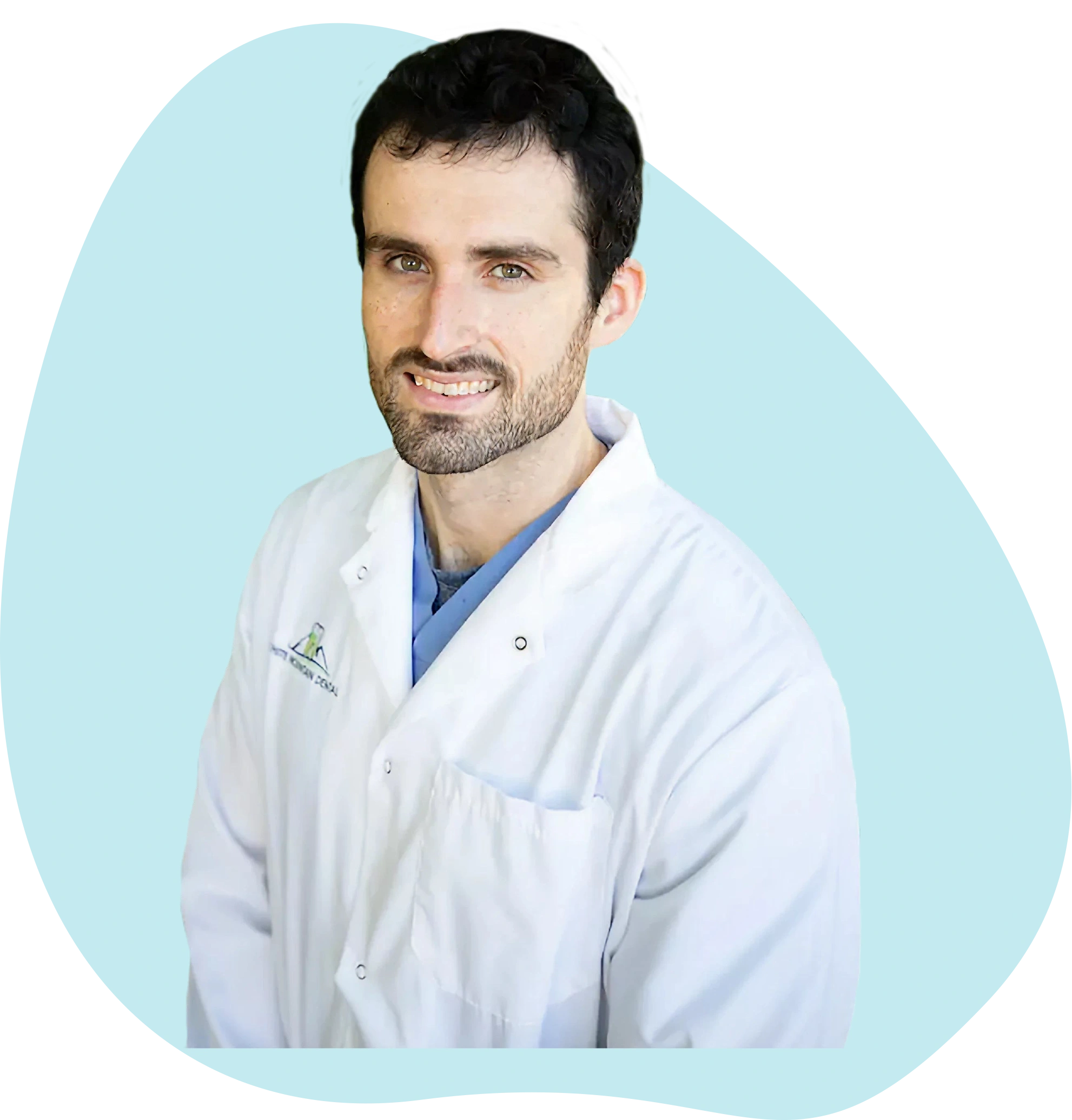
Meet Dr. Christopher McCormack, D.M.D.
Dr. Christopher McCormack brings a thoughtful, patient-centered approach to modern dentistry. He discovered his passion for the field early on and went on to graduate with honors from the University of Massachusetts Amherst before earning his dental degree from the Boston University Henry M. Goldman School of Dental Medicine. Dr. McCormack is an active member of professional dental organizations and is dedicated to providing precise, compassionate care that helps patients feel informed, comfortable, and confident throughout their treatment.
REVIEWS
What Our Patients Are Saying
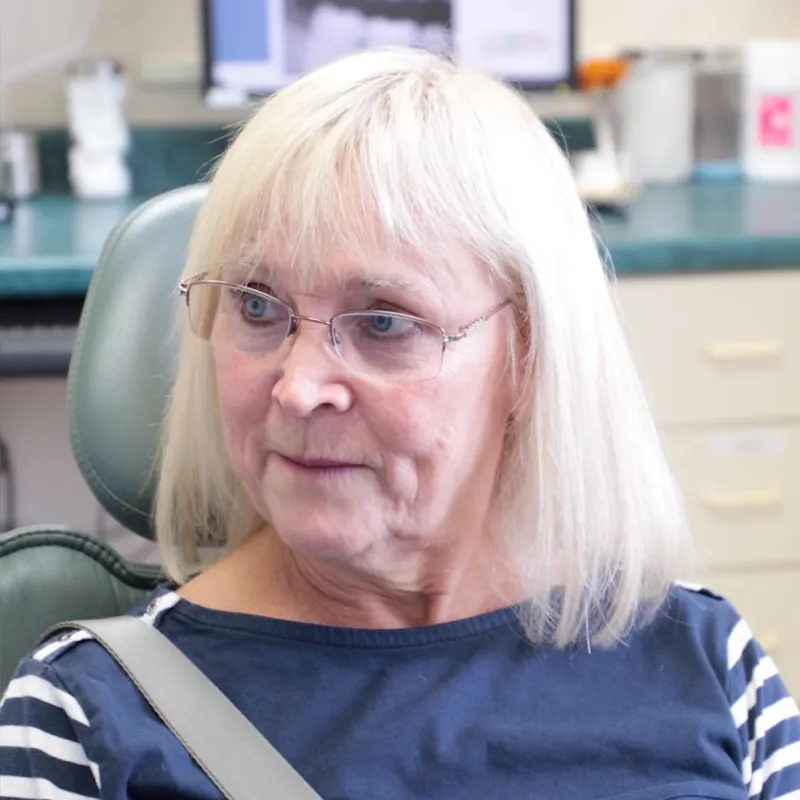
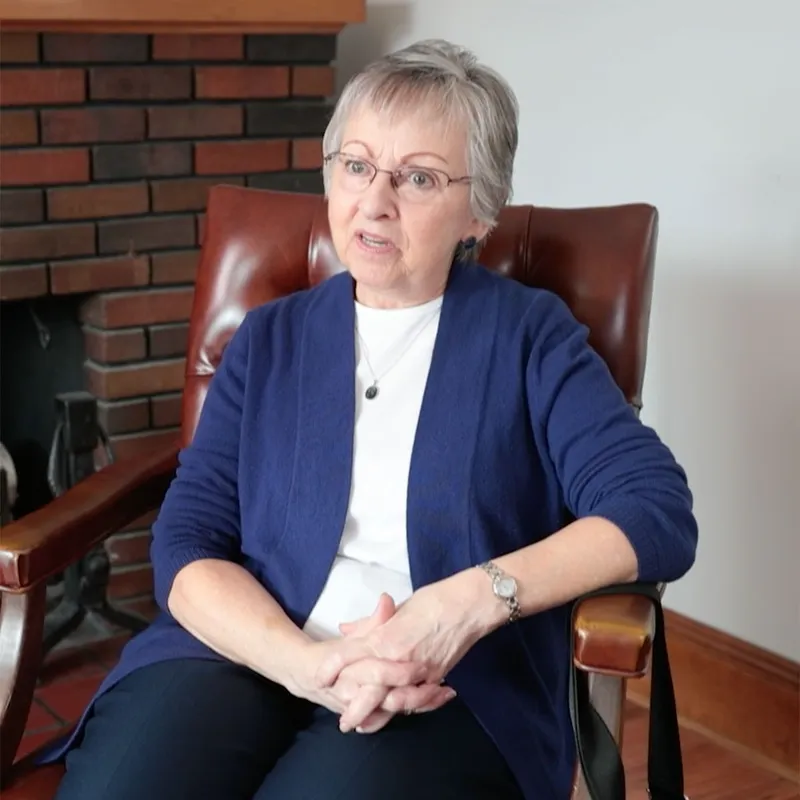
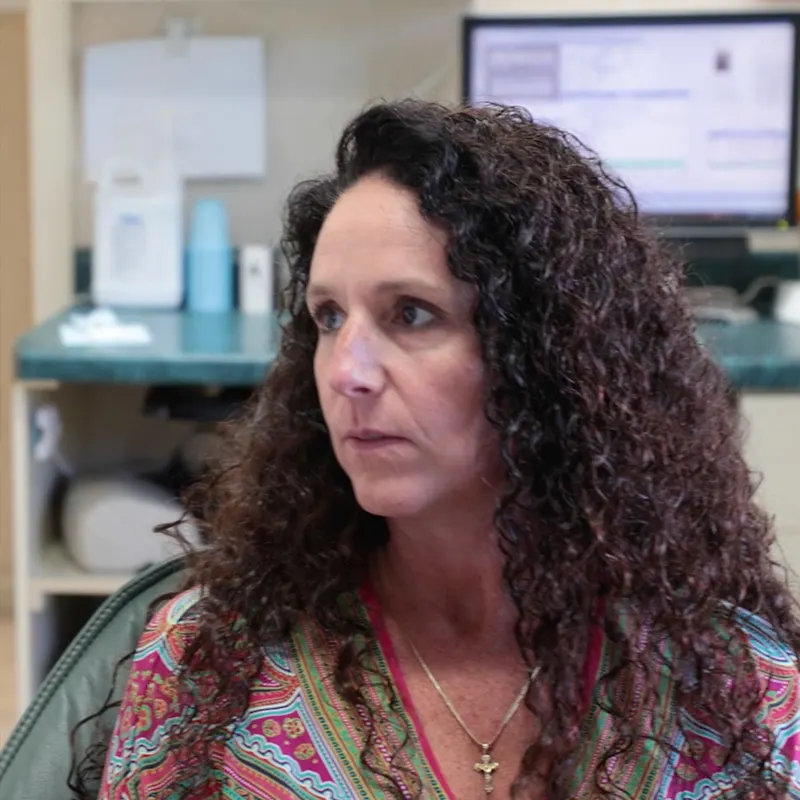



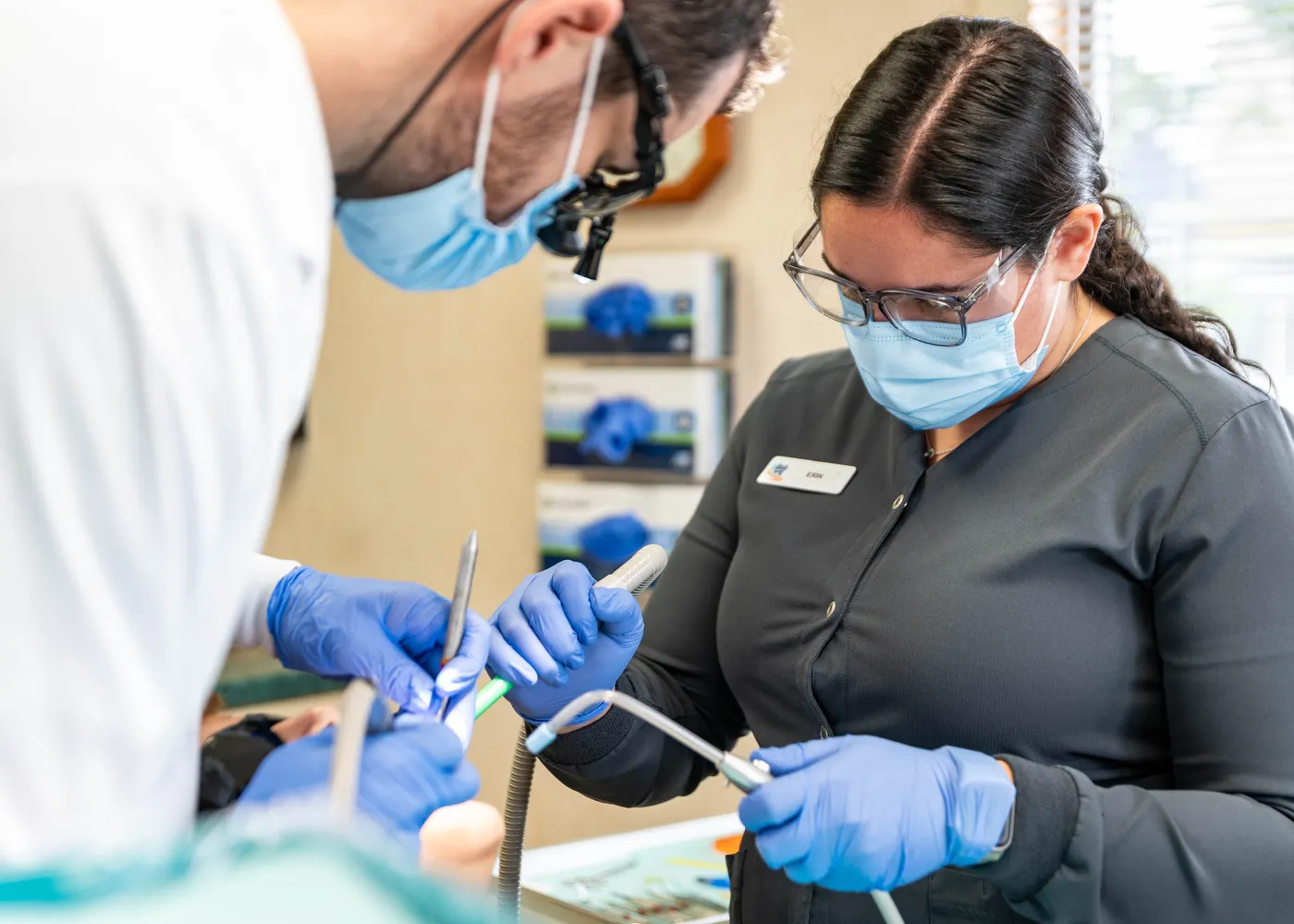
I’ve always been extremely nervous about going to the dentist, which kept me from getting care for far too long. From my very first visit, the team here made me feel calm, respected, and genuinely cared for. They took the time to explain everything and never rushed me. Thanks to their patience and skill, I’m finally pain-free and confident in my dental health. I’m incredibly grateful and would recommend this office to anyone looking for compassionate care.
– Sarah