
Preventive Protection
Dental Sealants
A simple shield for hard-to-clean grooves that helps prevent cavities before they start.
Molars have deep pits and grooves where food and bacteria can hide, even with good brushing. Dental sealants add a thin, protective coating that blocks decay in these vulnerable areas. At Androscoggin Valley Dental, sealants are quick, comfortable, and an effective way to strengthen preventive care for both kids and adults.
Crafting Beautiful Smiles With Percision And Care
Dental Sealants at Androscoggin Valley Dental
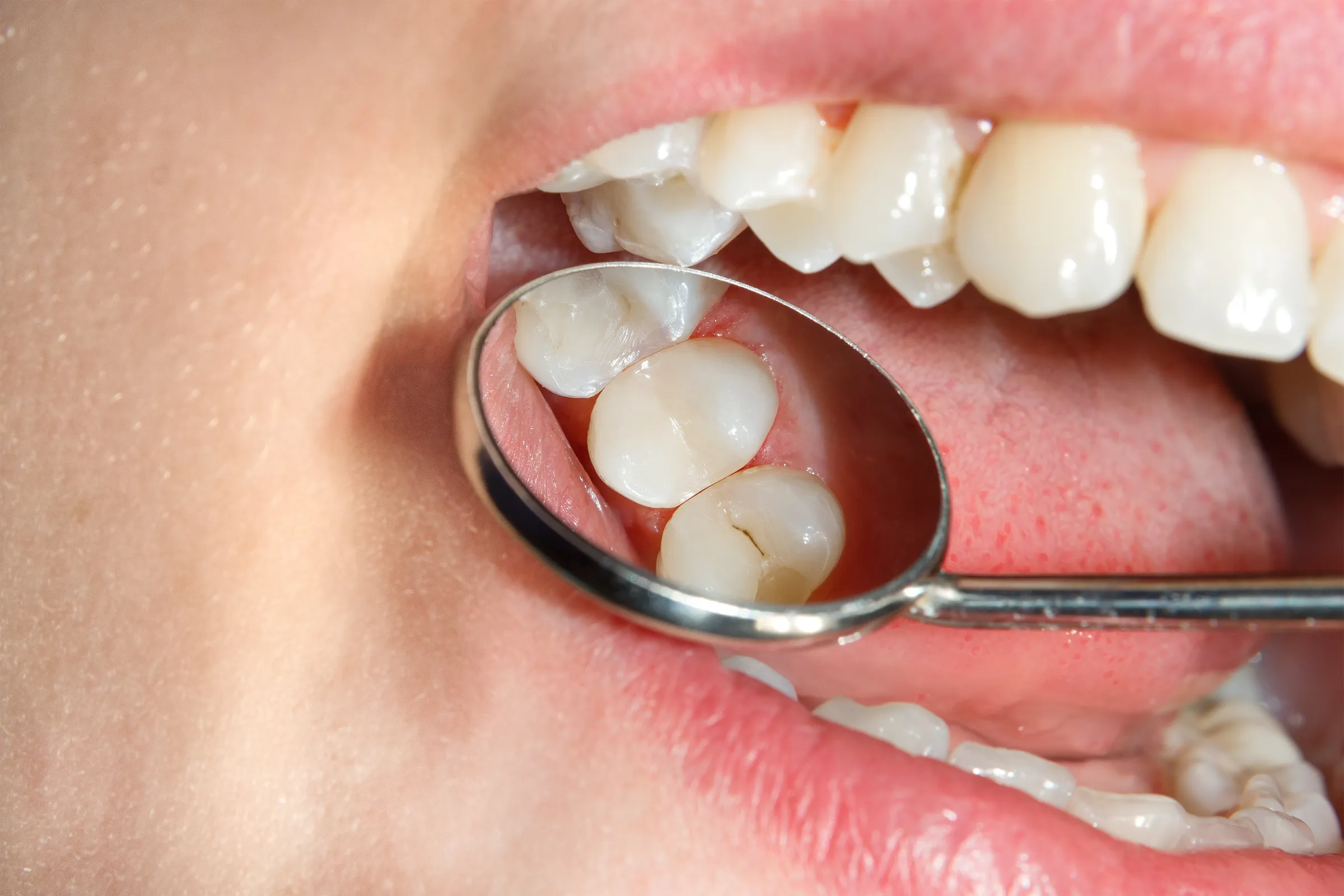
Dental sealants are a clear or tooth-colored coating placed on the chewing surfaces of back teeth to help prevent cavities. We recommend sealants when molars have deep grooves that are harder to clean—most commonly for children and teens, but sometimes for adults as well.
How Sealants Help
Even thorough brushing can miss the narrow crevices of molars. Sealants create a smooth barrier that makes these areas easier to keep clean and less likely to trap plaque. This preventive approach can significantly reduce the chance of cavities and the need for future fillings.
- Helps prevent cavities Seals out food and bacteria from deep grooves where decay often begins.
- Quick and comfortable No drilling and typically no numbing—just a simple protective coating.
- Long-lasting protection With regular checkups, sealants can protect teeth for years and are easy to maintain.
- Supports healthy habits Works alongside brushing, flossing, and fluoride as part of a strong prevention plan.
What to Expect During Placement
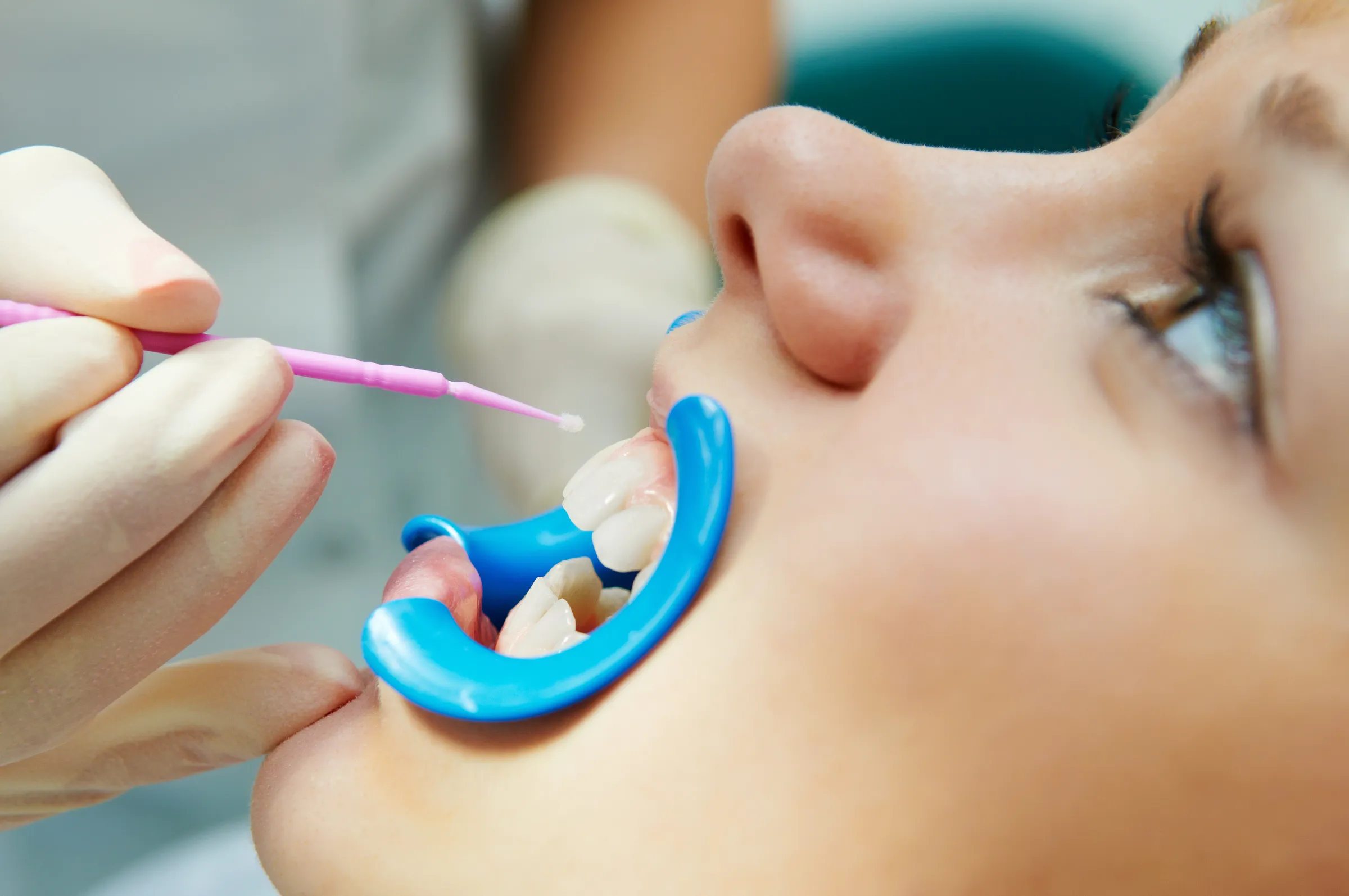
The tooth is cleaned and dried, then gently prepared so the sealant can bond properly. The coating is applied and hardened, and we check the bite to ensure everything feels smooth. The process is usually fast, and most patients return to normal eating and drinking right away.
Who May Benefit From Sealants?
Sealants are commonly recommended for children and teens when permanent molars come in. Adults may also benefit if their molars have deep grooves, early enamel changes, or a history of cavities. We review individual risk factors to help determine whether sealants are a smart preventive step.
Dental Sealants FAQ
- What are dental sealants?
- Sealants are a thin protective coating applied to the chewing surfaces of back teeth to help prevent cavities by sealing out food and bacteria.
- Are sealants only for children?
- No. While sealants are common for kids and teens, adults can benefit too—especially if molars have deep grooves or a higher risk for decay.
- Do sealants hurt?
- Sealants are typically painless. In most cases, there’s no drilling and no numbing involved.
- How long do sealants last?
- Sealants can last for several years with normal wear. They’re checked during routine visits and can be repaired or reapplied if needed.
- Can I eat after getting sealants?
- Yes. Once the sealant is set and the bite is checked, you can usually eat and drink as normal.
- Do sealants replace brushing and flossing?
- No. Sealants protect the grooves of chewing surfaces, but daily brushing and flossing are still essential.
- Will sealants feel different?
- They may feel slightly smoother at first, but most people adjust quickly. Any bite concerns can be easily corrected.
- Can sealants be placed over a cavity?
- Sealants are best for healthy teeth or areas at risk. If decay is present, we’ll recommend appropriate treatment first.
- How do I know if sealants are needed?
- We evaluate groove depth, cavity history, and overall risk factors, then explain whether sealants are recommended.
- How do I get started?
- A preventive exam allows us to assess the molars and decide if sealants are the right option for added protection.


Quick Links
Office Hours
Mon–Thu: 8:00am–5:00pm
Fri–Sun: Closed
Patient Testimonials