Urgent Tooth Pain Relief
Emergency Dental Care
Prompt evaluation and focused treatment to relieve pain, prevent complications, and protect your smile.
Dental emergencies can happen without warning—severe toothaches, broken teeth, swelling, or sudden trauma. Quick attention can reduce discomfort and improve the chance of saving the tooth. At Androscoggin Valley Dental, care is centered on calming the issue first, then creating a clear plan for lasting repair.

Crafting Beautiful Smiles With Percision And Care
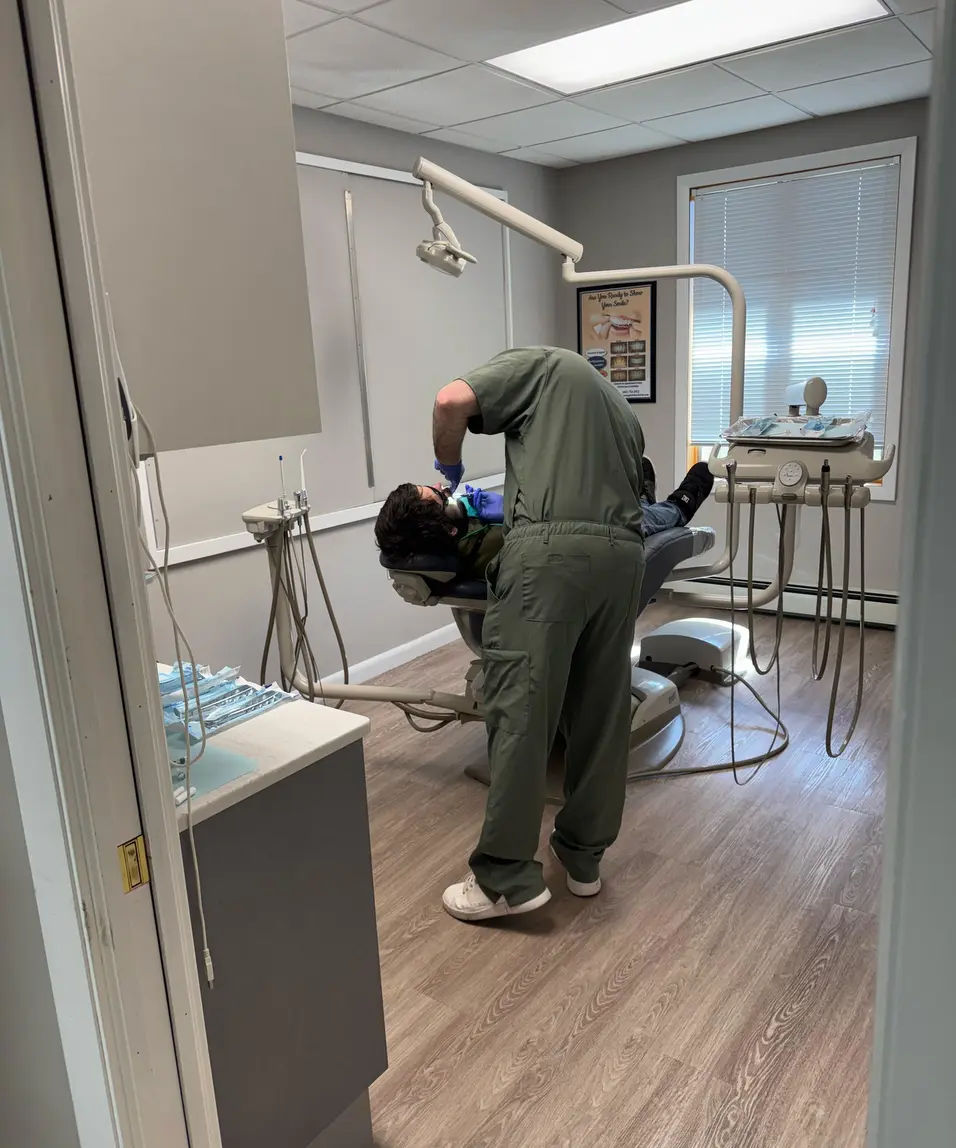
Emergency Dental Care at Androscoggin Valley Dental
Emergency dental visits focus on relieving pain, addressing infection, and stabilizing damaged teeth as quickly as possible. An urgent exam and imaging may be used to identify the problem, followed by clear recommendations for the safest next step—whether that involves repairing a tooth, treating infection, or protecting the area until definitive care is completed.
Common Reasons To Seek Emergency Care
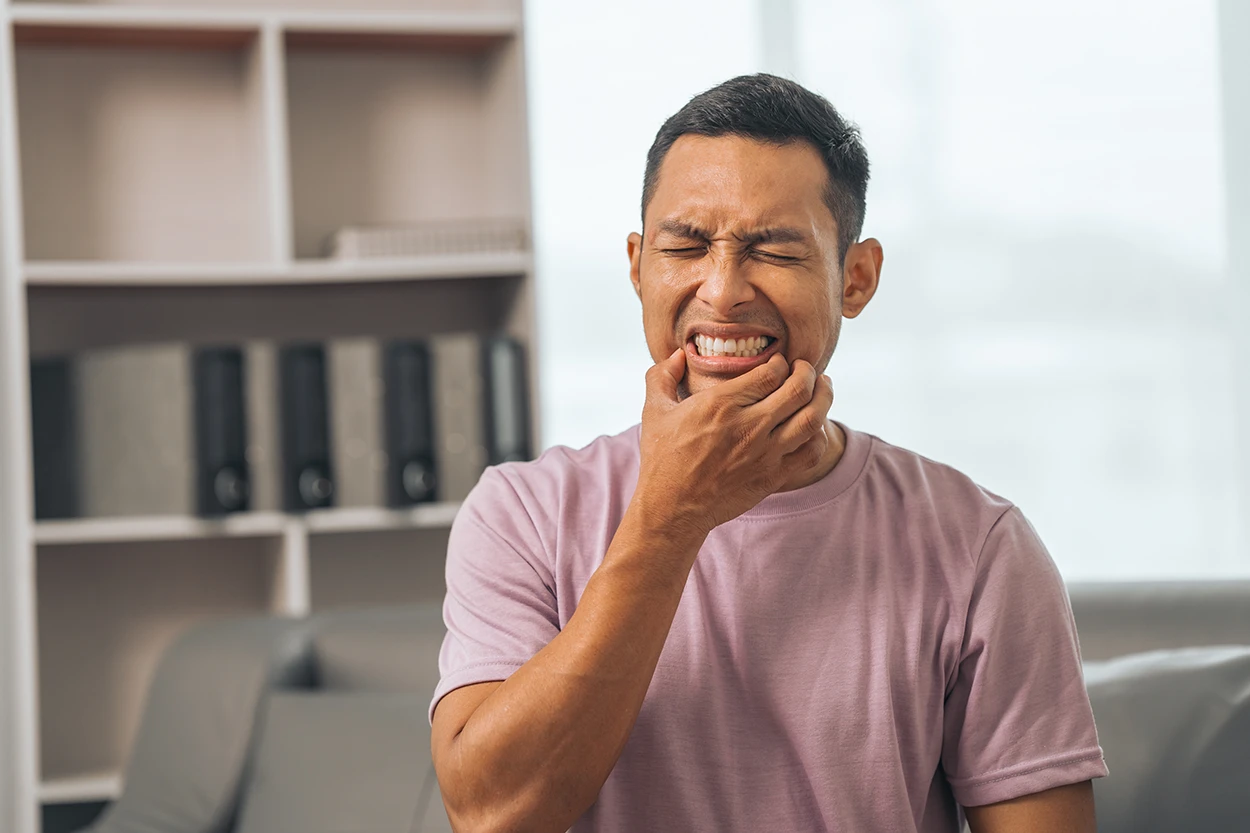
If you’re in pain or notice sudden changes, it’s worth being evaluated. Certain dental issues can worsen rapidly, especially infections and cracked teeth. Early treatment often means simpler care and better outcomes.
- Severe toothache or sensitivity Identifies the cause and helps stop pain at the source.
- Swelling, gum pimple, or fever May indicate infection that requires prompt attention.
- Broken, chipped, or cracked tooth Stabilizes damage and helps prevent further fracture.
- Knocked-out or loose tooth Time-sensitive care that may improve the chance of saving the tooth.
- Lost filling or crown Restores coverage and reduces sensitivity to prevent additional damage.
What To Do Before You’re Seen
Rinse gently with warm water and apply a cold compress to the outside of the cheek if swelling is present. If a tooth is knocked out, handle it by the crown—not the root—keep it moist, and seek care as soon as possible. Avoid placing aspirin directly on the gums and try not to chew on the affected side.
What To Expect During An Emergency Visit
Care begins with getting you comfortable, followed by an exam and X-rays when needed to diagnose the issue. Treatment may be completed the same day or focused on stabilizing the problem and planning next steps. You’ll receive clear explanations so you understand what’s happening and what to expect moving forward.
Emergency Dental FAQ
- What is considered a dental emergency?
- Severe tooth pain, swelling, uncontrolled bleeding, a knocked-out or loose tooth, broken teeth, or signs of infection should be evaluated promptly.
- How soon should emergency care be provided?
- As quickly as possible—especially for swelling, trauma, or a knocked-out tooth. Early care can expand treatment options and reduce complications.
- What should I do if a tooth is knocked out?
- Hold the tooth by the crown, rinse briefly if dirty, keep it moist, and seek care immediately for the best chance of saving it.
- Is facial swelling serious?
- Swelling can signal infection and should be addressed urgently. Severe swelling, fever, or difficulty breathing or swallowing requires immediate medical attention.
- Can emergency care help a broken tooth?
- Yes. Evaluation helps determine the extent of damage and the best way to relieve pain and stabilize the tooth.
- What if a crown or filling comes out?
- A lost restoration can expose sensitive tooth structure and increase the risk of damage. It’s best to be evaluated soon to protect the tooth.
- Will X-rays be taken during an emergency visit?
- Often, yes. Imaging helps identify infection, fractures, and root issues so treatment can be planned accurately.
- Are antibiotics always needed?
- No. Antibiotics are used only when appropriate. Treating the source of the problem is the most important step.
- How can pain be managed temporarily?
- A cold compress, avoiding chewing on the affected side, and appropriate over-the-counter pain relief may help until care is provided.
- What’s the next step if I think I have an emergency?
- An urgent evaluation helps determine the cause of symptoms and the best way to relieve pain and protect oral health.


Quick Links
Office Hours
Mon–Thu: 8:00am–5:00pm
Fri–Sun: Closed
Patient Testimonials