Tooth-Saving Care
Root Canal Therapy
Relieve deep tooth pain and preserve your natural tooth with modern, comfort-focused treatment.
When the inner tissue of a tooth becomes inflamed or infected, discomfort can escalate quickly. Root canal therapy removes the source of infection while keeping the natural tooth structure intact. At Androscoggin Valley Dental, treatment is focused on comfort, clear guidance, and long-term protection so you can chew and smile with confidence again.
Crafting Beautiful Smiles With Percision And Care
Root Canal Therapy at Androscoggin Valley Dental
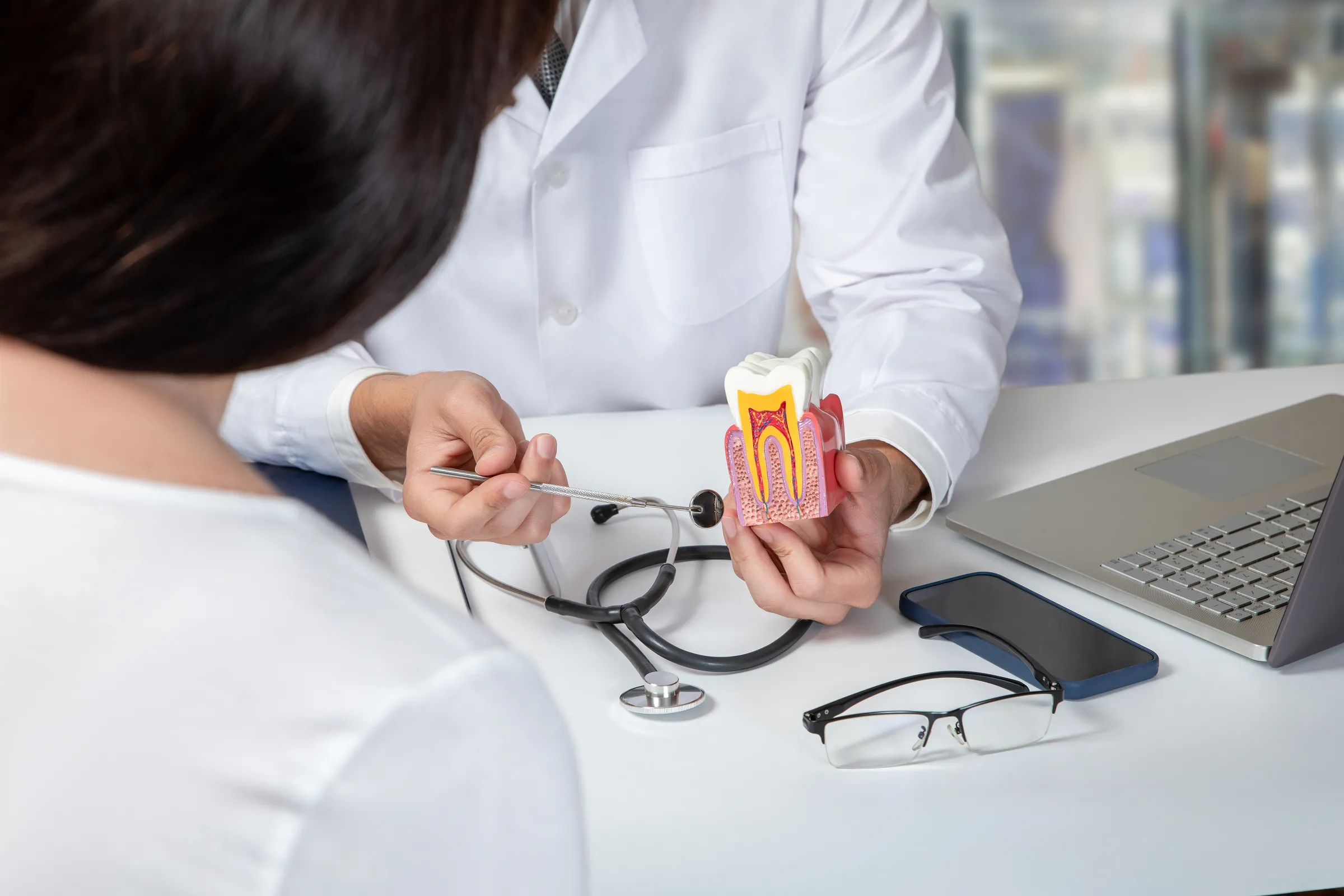
Root canal therapy treats infection or inflammation inside the tooth by cleaning and disinfecting the canal space, then sealing it to prevent reinfection. This approach helps relieve pain, stop the spread of infection, and preserve the natural tooth whenever possible.
Signs You May Need Root Canal Therapy
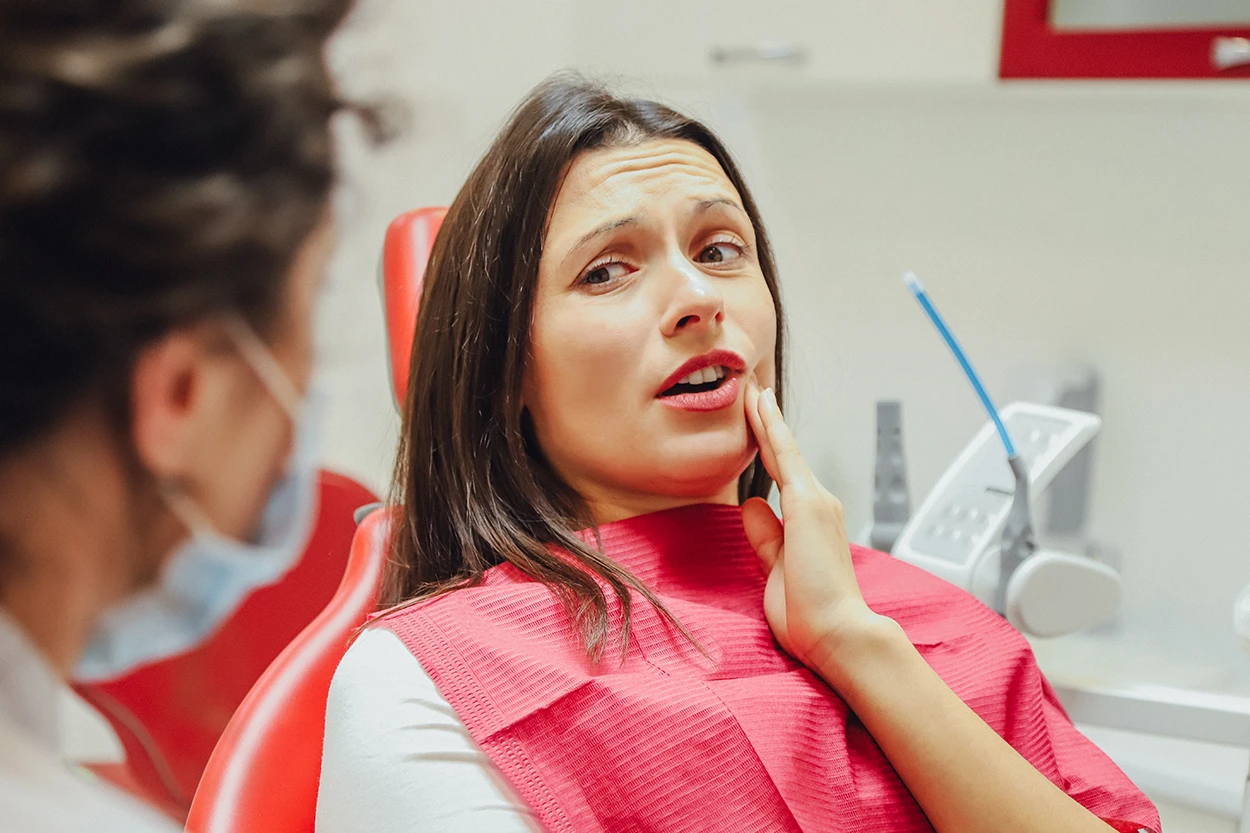
Not every toothache requires a root canal, but certain symptoms suggest the nerve tissue may be affected. Early evaluation can reduce discomfort and help prevent swelling or abscess formation.
- Persistent or throbbing tooth pain Ongoing pain or discomfort with chewing can signal nerve involvement.
- Lingering hot or cold sensitivity Sensitivity that lasts after exposure may indicate pulp inflammation.
- Swelling or a gum bump A pimple-like spot on the gums can suggest infection draining from the tooth.
- Deep decay or tooth darkening Infection can be present even without severe pain following trauma or decay.
How Root Canal Therapy Works
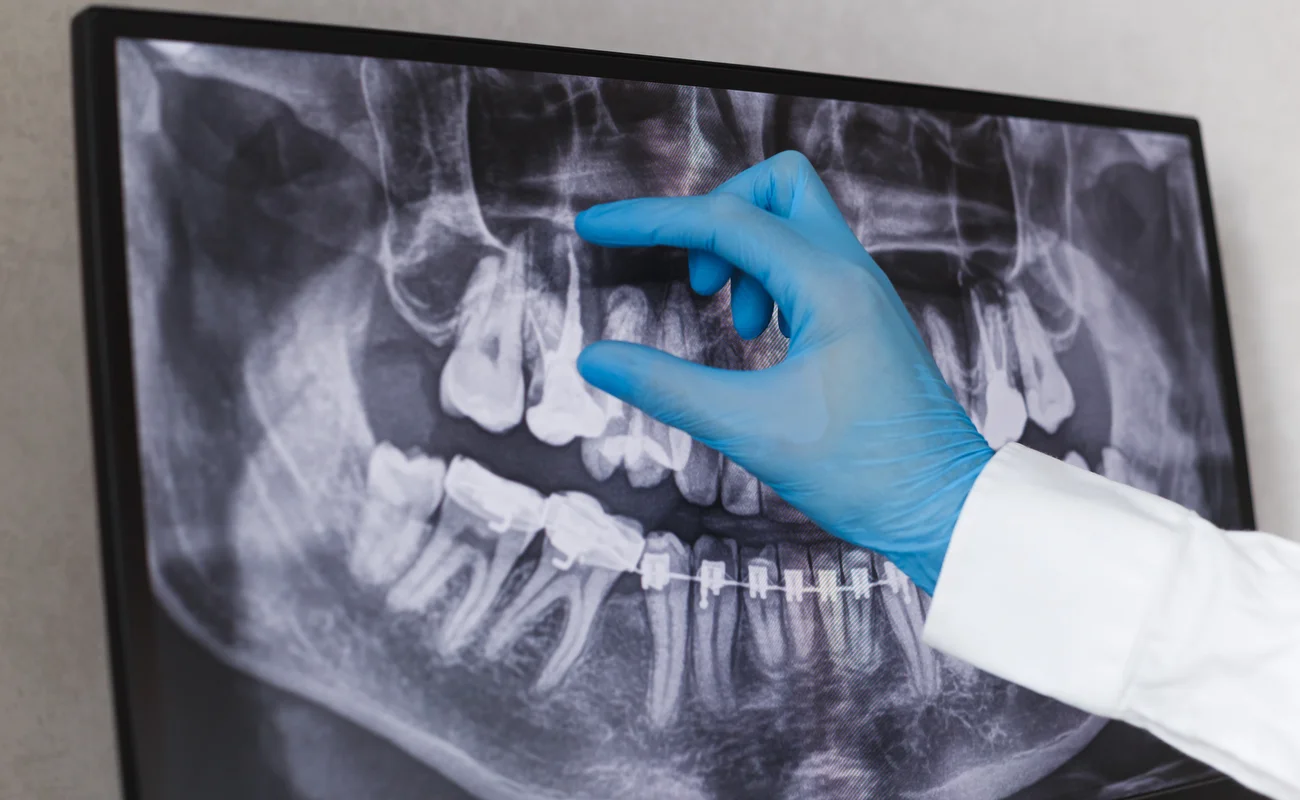
After confirming the diagnosis with an exam and imaging, the area is thoroughly numbed for comfort. Infected tissue is removed from inside the tooth, the canals are cleaned and disinfected, and the space is sealed to reduce the risk of reinfection. A protective restoration is often recommended afterward to strengthen the tooth and restore full function.
- Imaging to assess infection and root structure
- Comfort-focused local numbing techniques
- Thorough cleaning and disinfection of canal space
- Sealing and restoration planning for long-term protection
Aftercare And Long-Term Protection
Most patients return to normal routines quickly, with mild tenderness that improves over a few days. Avoid chewing hard foods on the treated tooth until it’s fully restored. Consistent brushing, flossing, and regular checkups help maintain the tooth for many years.
Root Canal Therapy FAQ
- Is root canal therapy painful?
- With proper numbing, most patients find root canal therapy comfortable and similar to receiving a filling. It often relieves the pain caused by infection.
- Why would a root canal be needed instead of a filling?
- A filling treats decay in the tooth structure, while a root canal is required when the nerve tissue inside the tooth is inflamed or infected.
- How can I tell if my tooth is infected?
- Symptoms may include lingering sensitivity, pain when biting, swelling, a gum bump, or an unpleasant taste. Sometimes infection is present without severe pain.
- How long does a root canal appointment take?
- Timing varies by tooth and canal complexity. Some treatments are completed in one visit, while others may require more than one appointment.
- Will a crown be needed afterward?
- Often, yes—especially for back teeth. A crown or protective restoration helps strengthen the tooth and reduce the risk of fracture.
- What happens if treatment is delayed?
- Delaying care can allow infection to worsen, leading to swelling, abscess formation, and a higher risk of tooth loss.
- Can a root canal fail?
- Root canals are generally successful and long-lasting, but reinfection can occur in some cases. Further evaluation helps determine next steps.
- Are antibiotics always required?
- No. Antibiotics are used only in certain situations. Treating the source of infection inside the tooth is the most important step.
- What should I expect after treatment?
- Mild soreness or sensitivity is common for a few days, especially with chewing. This typically improves as the tooth heals.
- What’s the first step if I have symptoms?
- An exam and imaging help confirm the cause of symptoms and determine whether root canal therapy is needed.


Quick Links
Office Hours
Mon–Thu: 8:00am–5:00pm
Fri–Sun: Closed
Patient Testimonials