
Half-Awake, Half-Alive: Living With Undiagnosed Sleep Apnea
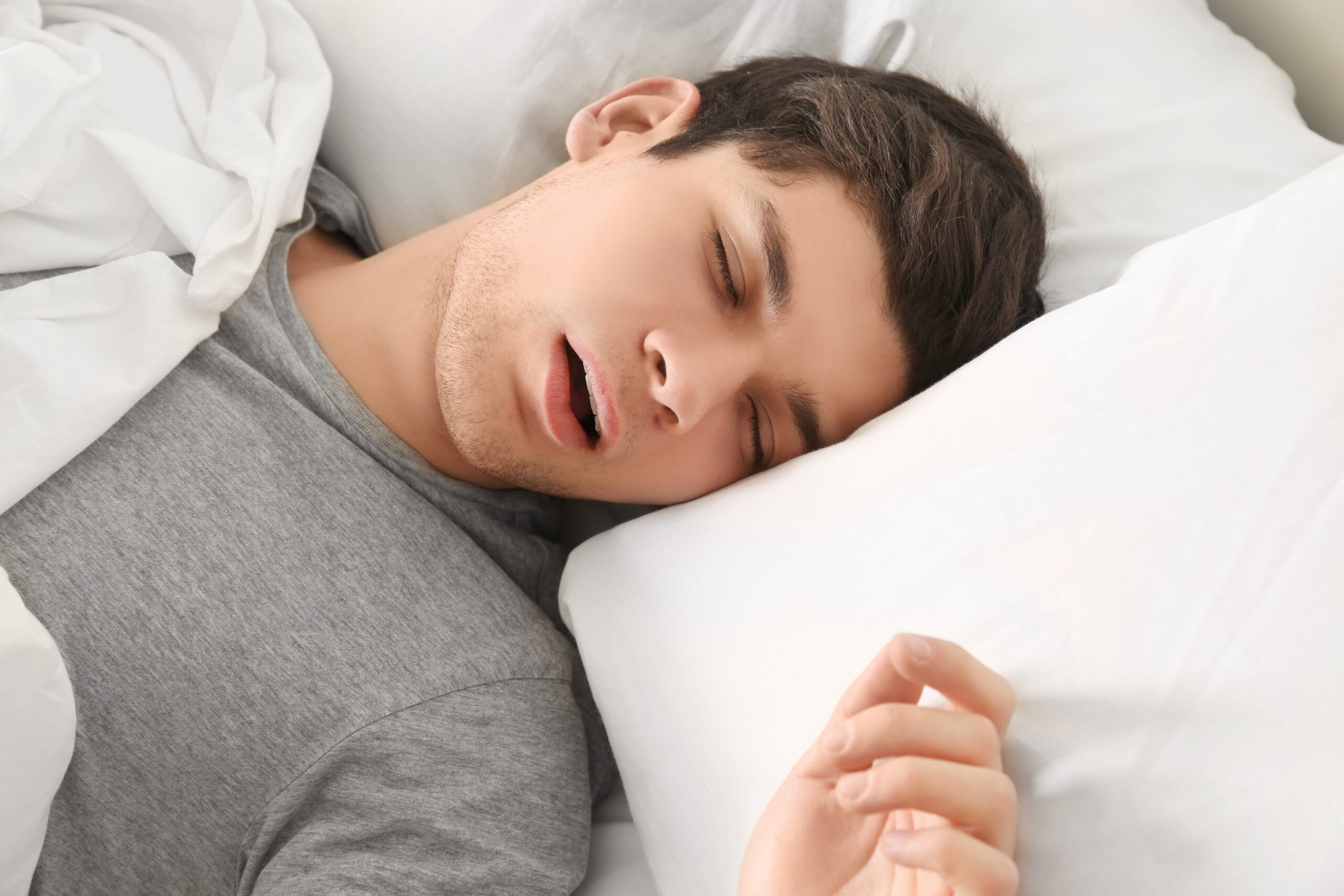
September 8, 2026
Key takeaways
- Sleep apnea often goes unnoticed because the pauses in breathing happen while you sleep.
- Loud snoring, gasping, morning headaches, and constant fatigue are common warning signs.
- Left untreated, sleep apnea can raise blood pressure and increase heart and safety risks.
- Your dentist may spot early clues like teeth grinding and a dry mouth during routine visits.
- A sleep study confirms the diagnosis, and treatments include CPAP, oral appliances, and lifestyle changes.
Answer First: What It Means to Live With Undiagnosed Sleep Apnea
Living with undiagnosed sleep apnea means your breathing repeatedly pauses while you sleep, and you may have no idea it is happening. You wake up tired, feel foggy through the day, and slowly accept that as normal. It is not. Recognizing the signs early can protect your energy, your mood, and your long-term health. If you notice symptoms such as loud snoring, gasping during sleep, or persistent daytime fatigue, talking with a healthcare professional or visiting Androscoggin Valley Dental can be an important first step toward identifying potential sleep-related breathing concerns.
A quick look at obstructive sleep apnea
Obstructive sleep apnea happens when the soft tissue at the back of your throat relaxes and blocks your airway during sleep. Your breathing stops for a few seconds, your body briefly wakes to reopen the airway, and the cycle repeats many times each night. Most people never remember these interruptions, which is why the condition hides so well.
Why so many cases go undiagnosed
Sleep apnea is easy to miss because the symptoms feel ordinary. Snoring seems harmless, fatigue gets blamed on a busy life, and the breathing pauses happen when you are unconscious. Research from the National Heart, Lung, and Blood Institute highlights that sleep apnea remains widely underdiagnosed across the population. Many people only learn about it when a partner notices their breathing stop.
When to talk to a dentist or doctor
Reach out if you snore loudly, wake up gasping, feel exhausted despite a full night’s sleep, or struggle to concentrate. A conversation with your dentist during a routine visit is often the first step toward answers, since dental checkups closely examine the mouth and throat.
The Half-Awake, Half-Alive Feeling Explained
That drained, half-awake feeling comes from sleep that never truly rests you. When your breathing keeps interrupting deep sleep, your body cannot complete the restorative cycles it needs, so you wake up feeling like you barely slept at all.
Why fragmented sleep leaves you exhausted
Each pause in breathing pulls you out of deep sleep, even if only for a moment. You may spend eight hours in bed but only get a fraction of the quality rest your brain and body require. This fragmentation is why you can sleep all night and still feel wrecked in the morning.
Daytime symptoms people mistake for stress or aging
Many people blame their tiredness, irritability, and forgetfulness on stress, work, or simply getting older. In reality, these can be classic signs of sleep apnea. Falling asleep in front of the television, needing constant caffeine, and dozing off during quiet moments are all worth noticing.
The emotional and cognitive toll
Poor sleep affects mood, patience, and focus. Over time, untreated sleep apnea can leave you feeling anxious, low, and mentally slow. When you finally treat the underlying problem, many people describe feeling like themselves again for the first time in years.
Warning Signs You Shouldn’t Ignore
The clearest warning signs of sleep apnea include loud snoring, gasping or choking during sleep, morning headaches, a dry mouth, and constant daytime fatigue. If several of these sound familiar, it is time to take them seriously.
Loud snoring and gasping during sleep
Heavy, frequent snoring is one of the most common signs. Snoring that is broken up by silent pauses followed by a gasp or snort suggests your airway is repeatedly closing and reopening.
Morning headaches and dry mouth
Waking up with a headache or an unusually dry mouth can point to interrupted breathing overnight. When you breathe through your mouth to compensate for a blocked airway, the tissues dry out and morning discomfort follows.
Difficulty concentrating and mood changes
Trouble focusing, forgetfulness, and short temper often appear alongside sleep apnea. If your thinking feels slower than it used to and small things frustrate you quickly, poor sleep quality could be the cause.
Signs a partner or bedmate may notice first
Often the people beside us notice the problem before we do. A partner may hear you stop breathing, gasp, or thrash during the night. Take those observations seriously, because they offer a window into what happens while you are asleep.
Take seriously
- Loud, interrupted snoring
- Gasping or choking at night
- Waking up unrefreshed
- Morning headaches and dry mouth
- Daytime sleepiness and poor focus
Do not brush off
- Blaming all fatigue on age
- Ignoring a partner’s observations
- Assuming snoring is harmless
- Relying on caffeine to cope
- Delaying a conversation with a professional
How Common Is Undiagnosed Sleep Apnea?
Undiagnosed sleep apnea is far more common than most people realize, and a large share of those affected have no idea they have it. It hides in plain sight, quietly affecting health long before anyone connects the symptoms.
What research reveals about underdiagnosis
Studies consistently show that a striking number of adults live with sleep apnea that has never been identified. One review of surgical patients found a high rate of previously undiagnosed obstructive sleep apnea among people preparing for procedures, underscoring how easily it slips by.
Who is most at risk
Risk rises with excess weight, a larger neck size, family history, older age, and habits like alcohol use before bed. Men are affected often, though women and children can have it too. Anyone with the warning signs deserves attention regardless of these factors.
Why surgical and preoperative screening matters
Screening for sleep apnea before surgery matters because untreated cases can complicate anesthesia and recovery. Guidelines from the Society of Anesthesia and Sleep Medicine recommend careful preoperative screening for adults to reduce these risks. This is one more reason to have the condition identified early.
What Happens With Untreated Sleep Apnea
Untreated sleep apnea does more than make you tired. Over time it strains your heart, raises your blood pressure, increases accident risk, and contributes to serious long-term health problems.
Effects on heart and blood pressure
Each drop in oxygen during the night forces your heart and blood vessels to work harder. This repeated stress is linked to high blood pressure and other cardiovascular concerns, which is why treating sleep apnea supports overall health.
Impact on daytime safety and driving
Severe daytime sleepiness makes driving and operating machinery dangerous. When your reaction time slows and you fight to stay awake, the risk of accidents climbs. Addressing sleep apnea helps keep you and others safer.
Long-term health risks
Left unmanaged over the years, sleep apnea can worsen mood, memory, and metabolic health. The good news is that effective treatment can ease many of these effects and help you feel steadier day to day.
The Dentist’s Role in Spotting Sleep Apnea
Your dentist can be one of the first people to notice possible signs of sleep apnea, because the mouth reveals clues that often go unnoticed elsewhere. A routine dental visit is a natural place to start the conversation.
Oral signs a dentist may notice
During an exam, a dentist may spot a dry mouth, a small or crowded airway, redness in the throat, or wear patterns on the teeth. These subtle observations can prompt further questions about how you sleep and feel.
Teeth grinding and jaw clues
Grinding your teeth at night, worn enamel, and jaw tension can accompany sleep apnea. These same clues also relate to jaw strain, and our team offers TMJ treatments when jaw discomfort is part of the picture.
How a dental visit can start the conversation
When you come in for preventive care, we look at the full picture of your oral health. If we notice signs that point to disrupted sleep, we can talk with you and help guide you toward the right next step, including a referral for a sleep evaluation.
Getting Diagnosed and Finding Relief
Getting diagnosed usually starts with a sleep study, and relief often follows through options like CPAP therapy, oral appliances, and simple lifestyle changes. Most people who seek help find meaningful improvement.
Recognize the signs
Notice patterns like loud snoring, gasping, and daytime fatigue, then write down what you and your partner observe.
Talk to a professional
Share your concerns with your dentist or doctor so they can review your symptoms and point you toward a sleep evaluation.
Complete a sleep study
A sleep study monitors your breathing, oxygen levels, and sleep patterns to confirm whether you have sleep apnea and how severe it is.
Begin treatment
Based on your results, your care team recommends a plan that may include CPAP, an oral appliance, or lifestyle adjustments.
What a sleep study involves
A sleep study records how you breathe overnight, either at a sleep center or sometimes at home. It measures pauses in breathing, oxygen levels, and how restful your sleep really is, giving your care team the information they need.
Common treatment options
CPAP therapy uses gentle air pressure to keep your airway open while you sleep. Oral appliances, which fit a bit like a mouthguard, reposition the jaw to help keep the airway clear. Lifestyle steps such as weight management, side sleeping, and limiting alcohol before bed can also help. The guidance on living with sleep apnea from the NHLBI supports combining these approaches for lasting relief.
Answering common questions about pills and pillow tricks
There is no simple pill that cures sleep apnea, and no single pillow trick reliably fixes it. Some people find that sleeping on their side, sometimes encouraged by a supportive pillow, reduces snoring, but this is a comfort measure rather than a treatment. Proven care comes from a proper diagnosis and a plan built for you.
Living well after diagnosis
Once treatment begins, many people feel dramatically better within weeks. Energy returns, mood lifts, and focus sharpens. Sticking with your therapy and follow-up visits keeps those benefits going for the long run.
Next Steps for Berlin, NH Residents
If you live in or around Berlin, NH, your next step is simple: schedule a dental visit and mention any signs of poor sleep. We are here to help you connect the dots and move toward better rest.
How Androscoggin Valley Dental can help
Our team looks closely at your oral health and pays attention to clues that can point to sleep apnea. We keep first-time visits comfortable and take time to answer your questions. If your symptoms suggest a sleep concern, we help guide you toward the right evaluation.
Why preventive dental visits matter
Regular checkups do far more than protect your teeth. They give us a chance to catch early signs of larger health issues. If you are new to our office, our step-by-step guide to your first checkup shows you exactly what to expect. Call us at (603) 752-2013 to book your visit.
Ready to take the next step?
Schedule a consultation with Androscoggin Valley Dental in Berlin.
Call (603) 752-2013
Meet Dr. Harry Gulati at Androscoggin Valley Dental
Dr. Harry Gulati, BDS, DMD, CAGS, brings extensive clinical, academic, and research experience to Androscoggin Valley Dental. He earned his Bachelor of Dental Surgery from Dr. D.Y. Patil Dental School, his Certificate of Advanced Graduate Studies in Restorative and Esthetic Dentistry from Boston University, and his Doctor of Dental Medicine from Tufts University School of Dental Medicine. He also completed advanced training in implant dentistry through the International Academy of Dental Implantology.
Known for his calm and patient-centered approach, Dr. Gulati provides preventive, restorative, cosmetic, and implant care with a strong focus on long-term function and natural-looking results. He takes the time to explain treatment options clearly, helping patients feel informed, comfortable, and confident throughout their care.
Beyond private practice, Dr. Gulati has served as an Associate Clinical Professor at Tufts University School of Dental Medicine, where his responsibilities have included clinical instruction, diagnosis, treatment planning, and mentoring dental students. He has lectured nationally and internationally on restorative dentistry, dental education, and the treatment of endodontically treated teeth. His professional contributions also include published research, editorial and journal review roles, dental product evaluation, and participation in organizations such as the American Dental Association, the Academy of General Dentistry, and the American Dental Education Association.
Dr. Gulati’s commitment to dentistry extends into the community through volunteer dental screenings, outreach programs, fundraising, and services supporting children and underserved populations. His dedication to clinical care, education, and service has earned several honors, including Incisal Edge’s Top 40 Under 40 recognition, the Doctors’ Choice Award, and fellowship in the International College of Dentists.
Learn more about Dr. Gulati’s professional background and accomplishments on his LinkedIn profile.
Frequently asked questions
Q: What happens with undiagnosed sleep apnea?
Undiagnosed sleep apnea leaves you constantly tired, foggy, and irritable because your breathing keeps interrupting deep sleep. Over time it can raise blood pressure, strain your heart, and increase the risk of accidents from daytime drowsiness. Recognizing the signs and seeking an evaluation helps protect your long-term health.
Q: How long can someone with sleep apnea go without breathing?
During an apnea event, breathing can pause for around ten seconds or longer, and these pauses may repeat many times each hour throughout the night. Because they happen during sleep, most people never notice them. If a partner sees you stop breathing, it is a strong reason to seek a sleep evaluation.
Q: What is the pillow trick for sleep apnea?
The pillow trick usually refers to using a supportive pillow to encourage side sleeping, which can reduce snoring for some people. It is a comfort measure and not a real treatment for sleep apnea. Proven relief comes from a proper diagnosis followed by options like CPAP, an oral appliance, or lifestyle changes.
Q: Is there a pill for sleep apnea?
There is no simple pill that cures sleep apnea. Effective care relies on keeping the airway open through therapies such as CPAP or an oral appliance, along with lifestyle steps like weight management and limiting alcohol before bed. Speak with your dentist or doctor about the plan that fits your needs.
Want to schedule an appointment now? Follow our directions, use this helpful Google Maps link, or get step-by-step navigation via Get Directions.
Remember: Ongoing tiredness, loud snoring, and gasping during sleep are worth discussing with your dentist or doctor, since early attention protects your health.
Disclaimer: This article is for general information only and does not replace personalized medical or dental advice from a qualified provider.