The Hidden Link Between Sleep Apnea and Heart Disease
November 18, 2026
Key takeaways
- Sleep apnea repeatedly interrupts breathing at night, forcing the heart to work harder and raising blood pressure.
- Untreated cases are tied to higher risks of hypertension, heart failure, atrial fibrillation, and stroke.
- Loud snoring, gasping at night, and heavy daytime fatigue are warning signs worth taking seriously.
- A dentist in Berlin, NH can spot early clues and offer a custom oral appliance as one treatment path.
- Treating sleep apnea often improves heart health alongside better sleep and daytime energy.
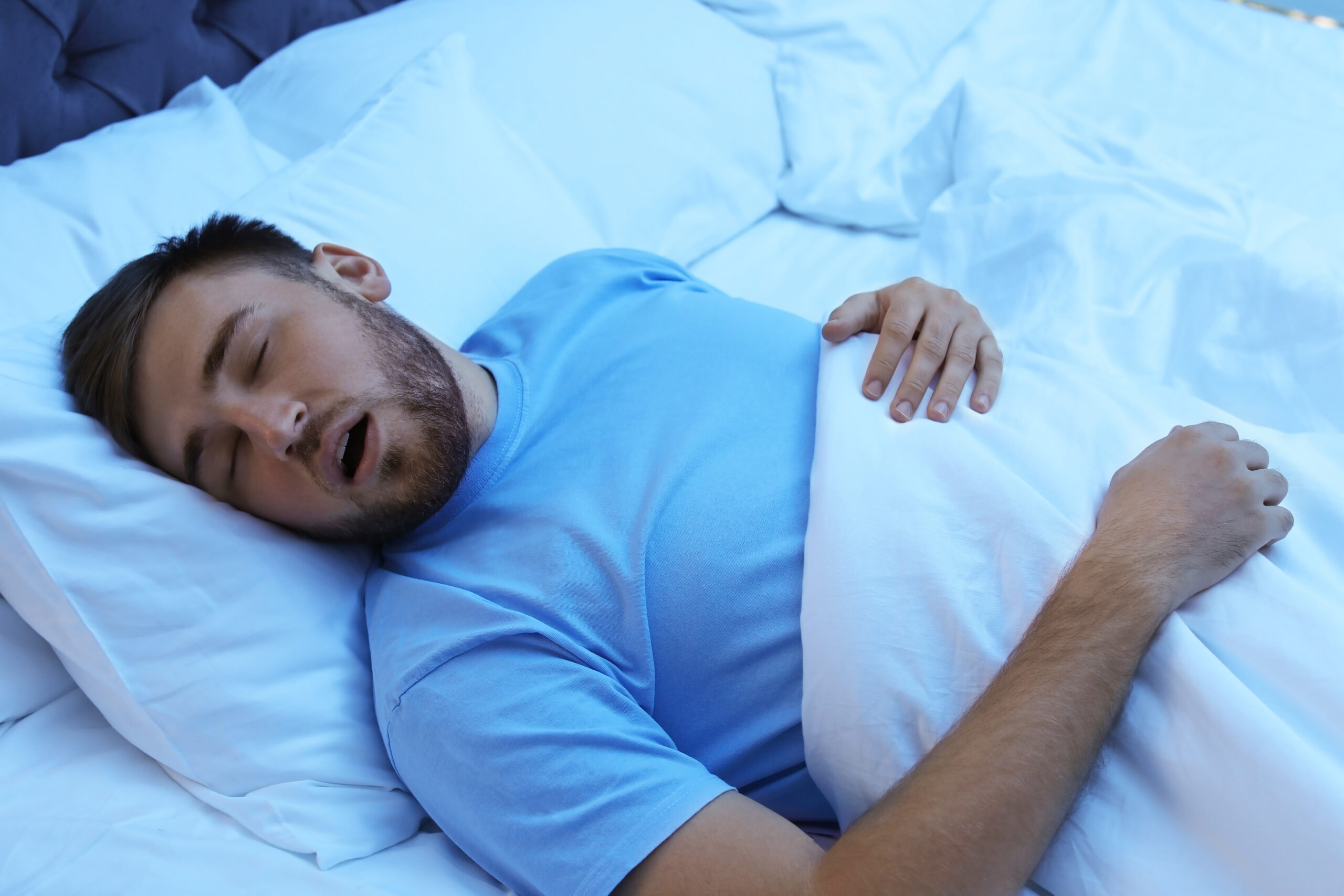
Picture your bedroom at 3 a.m. The house is still, the street outside Berlin is quiet, and you look fast asleep. Yet inside your chest, your heart is sprinting as if you were climbing a hill. This is the strange double life of sleep apnea. On the surface, it looks like rest. Underneath, it is a nightly struggle that can slowly wear your heart down. Let us pull back the covers and look at what is really happening.
The Short Answer: How Sleep Apnea Hurts Your Heart
Sleep apnea hurts your heart by repeatedly starving your body of oxygen during sleep, which triggers stress signals, spikes your blood pressure, and never lets your heart fully rest. Over months and years, this pattern is strongly tied to serious heart problems.
What obstructive sleep apnea actually is
Obstructive sleep apnea happens when the soft tissues at the back of the throat relax and collapse during sleep, briefly blocking the airway. Breathing pauses, oxygen dips, and the brain jolts the body awake just enough to reopen the airway. Most people never remember these moments, yet they can repeat dozens or even hundreds of times a night. Researchers have described this repeated oxygen loss as a key driver behind the connection between sleep apnea and cardiovascular disease.
Why it matters for patients in Berlin, NH
In a close community like Berlin, many people juggle physical work, long winters, and busy family life. Fatigue gets written off as part of the grind. The trouble is that untreated sleep apnea does not announce itself with obvious pain. It works in the background, which is exactly why it earns the nickname the midnight thief. Catching it early gives your heart a real head start.
What Happens to Your Body During an Apnea Event
During an apnea event, your oxygen level drops, your body panics, and your heart and blood vessels brace as if facing a threat. This chain reaction happens quietly, again and again, through the night.
Oxygen drops and the stress response
When the airway closes, oxygen falls, and carbon dioxide climbs. Your body reads this as an emergency and releases stress hormones to force you to breathe again. Those same hormones tell your heart to beat faster and harder. One quiet alarm is harmless. Hundreds of alarms, night after night, slowly tax the system.
Blood pressure spikes overnight
Each time you gasp back to breathing, blood pressure surges. Normally, sleep is when blood pressure should dip and recover. With apnea, those dips disappear and are replaced by repeated spikes. Over time, this can keep daytime blood pressure elevated too, setting the stage for lasting strain.
The role of fragmented sleep
Even brief awakenings shatter the deep, restorative stages of sleep your body craves. You may spend eight hours in bed and still wake up as if you barely slept. That fragmented sleep keeps your nervous system on high alert, which is hard on both your mood and your heart.
A note from Dr. Harry Gulati at Androscoggin Valley Dental
“Many patients think snoring is just a noise their partner complains about. In the chair, I often see early clues long before anyone connects them to the heart. Paying attention to those signs can change the whole picture of someone’s health.”
The Evidence Linking Sleep Apnea and Heart Disease
Research consistently links untreated sleep apnea to several heart conditions, from high blood pressure to irregular rhythms. The pattern is strong enough that heart and sleep health are now discussed hand in hand.
High blood pressure (hypertension)
High blood pressure is one of the most common companions of sleep apnea. Those nightly surges can gradually push daytime readings up, and apnea is often found in people whose blood pressure stays stubbornly high despite treatment.
Coronary and ischemic heart disease
The repeated oxygen shortage also places stress on the blood vessels that feed the heart muscle itself. Studies have reported a meaningful relationship between obstructive sleep apnea and ischemic heart disease, where reduced blood flow becomes a growing concern.
Heart failure
When the heart is asked to work overtime night after night, it can gradually lose some of its efficiency. Reviews of sleep apnea and heart failure show how closely the two travel together, and how addressing one may support the other.
Atrial fibrillation and arrhythmias
The combination of oxygen swings and stress signals can throw off the heart’s electrical rhythm. This is why sleep apnea is often found alongside atrial fibrillation and other irregular heartbeats.
Stroke risk
Higher blood pressure, strained vessels, and irregular rhythms together raise the odds of stroke. Larger reviews of sleep apnea and heart health describe this layered risk clearly.
Heart concerns and how sleep apnea contributes
| Heart concern | How sleep apnea is thought to contribute |
|---|---|
| High blood pressure | Repeated overnight surges keep pressure elevated |
| Coronary heart disease | Oxygen shortage stresses vessels feeding the heart |
| Heart failure | Constant extra workload wears the heart down |
| Irregular rhythms | Oxygen swings disturb electrical signals |
| Stroke | Combined pressures raise overall risk |
Who Is Most at Risk?
Sleep apnea can affect almost anyone, but certain traits and habits raise the odds. Knowing where you stand helps you take action sooner.
Common risk factors
- Carrying extra weight, especially around the neck and midsection
- A naturally narrow airway or crowded throat anatomy
- Being older, since throat muscles relax more with age
- Smoking and alcohol, which relax airway tissues
- A family history of snoring or breathing pauses during sleep
Overlooked warning signs
Not every sign is dramatic. Morning headaches, dry mouth, waking to use the bathroom often, trouble focusing, and irritability can all hint at disrupted nights. These clues are easy to blame on stress or age, which is exactly how apnea stays hidden for so long.
Warning Signs You Should Never Ignore
The clearest warning signs include loud nightly snoring, choking or gasping during sleep, and overwhelming daytime tiredness. If these sound familiar, they are worth a conversation.
Nighttime symptoms
- Loud, chronic snoring that others notice
- Gasping, choking, or breathing pauses witnessed by a partner
- Restless, sweaty sleep and frequent waking
Daytime symptoms
- Falling asleep during quiet moments, even while driving
- Foggy thinking, forgetfulness, and low mood
- Waking up tired no matter how long you slept
When to talk to a professional
If several of these signs line up, it is time to speak with a dental or medical professional. You can also mention them during routine visits. Our resources on preventive care for new patients explain how everyday checkups become a natural place to raise health concerns.
How Your Dentist Fits Into Sleep Apnea Care
Your dentist is often one of the first people positioned to notice signs of sleep apnea, thanks to a clear view of your mouth, throat, and jaw. From there, we can guide you toward the right help.
Oral signs we spot during exams
During a routine look, Dr. Harry Gulati at Androscoggin Valley Dental may notice worn teeth from grinding, a scalloped tongue, a crowded throat, or a dry mouth. None of these confirms sleep apnea on their own, yet together they can raise a flag worth exploring. A step-by-step guide to your first dental checkup shows how thorough these visits can be.
Oral appliance therapy explained
A dental oral appliance for sleep apnea is a custom device worn during sleep that gently holds the lower jaw forward, helping keep the airway open. It is comfortable, quiet, and easy to travel with, which many people appreciate. Think of it as a small guardrail that keeps your breathing path from collapsing at night.
Share your symptoms
Tell us about snoring, tiredness, or anything a partner has noticed at night.
Get examined
We check your teeth, jaw, and throat for signs that point toward a breathing issue.
Coordinate a diagnosis
When needed, we connect you with a sleep study so you get a clear answer.
Fit your appliance
If appropriate, we design a custom device and fine-tune it for comfort and results.
When we refer for a sleep study
A dentist does not diagnose sleep apnea alone. When the signs suggest it, we refer you for a sleep study, which is the official way to confirm the condition and measure its severity. From there, we work alongside your medical team to find the best path forward.
How Treating Sleep Apnea Protects Your Heart
Treating sleep apnea gives your heart the overnight rest it has been missing, which can help steady blood pressure and ease the strain. Many people feel the difference in their energy, too.
CPAP and cardiovascular benefits
CPAP therapy uses gentle air pressure to keep the airway open all night. Research into cardiovascular risk reduction with sleep apnea treatment suggests that consistent therapy may support better heart health. It is often the first choice for more severe cases.
Oral appliances as an alternative
For milder cases, or for people who struggle with CPAP, a custom oral appliance can be a welcome alternative. It is easier to tolerate for many, and better tolerance usually means more consistent use. The best treatment is the one you will actually wear every night.
Use these
- A custom oral appliance fitted by your dentist
- CPAP when recommended for more serious cases
- Healthier weight habits and regular movement
- Follow-up visits to check how therapy is working
Avoid these
- Ignoring loud snoring and nightly gasping
- Alcohol close to bedtime, which relaxes the airway
- Smoking, which irritates and inflames airway tissue
- One-size-fits-all devices bought without guidance
Lifestyle changes that help
Small daily choices add up. Reaching a healthier weight, staying active, limiting alcohol in the evening, and sleeping on your side can all ease symptoms. These habits support both your sleep and your heart at the same time.
What to Do Next in Berlin, NH
The next step is simple: start a conversation during a dental and health evaluation, then build a small team to support you. You do not have to figure this out alone.
Starting with a dental and health evaluation
Bring your concerns to a checkup. We will look for oral clues, talk through your symptoms, and help you decide whether a sleep study makes sense. If visits make you nervous, see how we focus on how we make first-time visits comfortable, and why dental X-rays matter during your first visit as part of a thorough look.
Building a care team
Good sleep apnea care is a group effort between you, your dentist, and your doctor. If a custom appliance fits your plan, our office can walk you through TMJ Treatments and related cosmetic care options so your comfort stays front and center. To start, call us at (603) 752-2013 and tell us what you have been noticing at night.
Ready to take the next step?
Schedule a consultation with Androscoggin Valley Dental.
Call (603) 752-2013Meet Dr. Harry Gulati at Androscoggin Valley Dental
Dr. Harry Gulati, BDS, DMD, CAGS, brings extensive clinical, academic, and research experience to Androscoggin Valley Dental. He earned his Bachelor of Dental Surgery from Dr. D.Y. Patil Dental School, his Certificate of Advanced Graduate Studies in Restorative and Esthetic Dentistry from Boston University, and his Doctor of Dental Medicine from Tufts University School of Dental Medicine. He also completed advanced training in implant dentistry through the International Academy of Dental Implantology.
Known for his calm and patient-centered approach, Dr. Gulati provides preventive, restorative, cosmetic, and implant care with a strong focus on long-term function and natural-looking results. He takes the time to explain treatment options clearly, helping patients feel informed, comfortable, and confident throughout their care.
Beyond private practice, Dr. Gulati has served as an Associate Clinical Professor at Tufts University School of Dental Medicine, where his responsibilities have included clinical instruction, diagnosis, treatment planning, and mentoring dental students. He has lectured nationally and internationally on restorative dentistry, dental education, and the treatment of endodontically treated teeth. His professional contributions also include published research, editorial and journal review roles, dental product evaluation, and participation in organizations such as the American Dental Association, the Academy of General Dentistry, and the American Dental Education Association.
Dr. Gulati’s commitment to dentistry extends into the community through volunteer dental screenings, outreach programs, fundraising, and services supporting children and underserved populations. His dedication to clinical care, education, and service has earned several honors, including Incisal Edge’s Top 40 Under 40 recognition, the Doctors’ Choice Award, and fellowship in the International College of Dentists.
Learn more about Dr. Gulati’s professional background and accomplishments on his LinkedIn profile.
Frequently asked questions
Q: Can sleep apnea cause heart disease?
Sleep apnea does not act alone, but it is strongly linked to heart problems. The repeated drops in oxygen and overnight blood pressure spikes place extra strain on the heart over time, which is tied to higher risks of high blood pressure, heart failure, irregular rhythms, and stroke. Treating it may help reduce that strain.
Q: What are the warning signs of sleep apnea?
Common signs include loud, chronic snoring, gasping or choking during sleep, and breathing pauses noticed by a partner. During the day, you might feel overwhelming tiredness, foggy thinking, morning headaches, or trouble staying awake in quiet moments. If several of these sound familiar, it is worth speaking with a professional.
Q: Does treating sleep apnea lower heart disease risk?
Treating sleep apnea gives your heart a true chance to rest at night, which can help steady blood pressure and ease strain. Research suggests that consistent therapy may support better heart health. Many people also notice more energy and clearer thinking once their sleep improves.
Q: Can a dentist help with sleep apnea?
Yes. A dentist is often one of the first to spot clues like worn teeth, a crowded throat, or a dry mouth that can point toward sleep apnea. Dr. Harry Gulati at Androscoggin Valley Dental can examine you, refer you for a sleep study when needed, and fit a custom oral appliance as part of your overall care plan.
Q: Is an oral appliance as effective as CPAP for the heart?
CPAP is often the first choice for more severe cases, while a custom oral appliance is a comfortable alternative for milder cases or for people who cannot tolerate CPAP. The most important factor is consistent nightly use, since the treatment you actually stick with is the one that helps your heart most.
Q: How is sleep apnea diagnosed?
Sleep apnea is confirmed through a sleep study, which measures your breathing, oxygen levels, and sleep patterns overnight. A dentist can recognize warning signs and refer you for this testing, then work alongside your doctor to put the right treatment in place once results are clear.
Want to schedule an appointment now? Follow our directions, use this helpful Google Maps link, or get step-by-step navigation via Get Directions.
Remember: Your sleep and your heart are closely connected, so loud snoring and constant tiredness are worth taking seriously. A simple conversation with your dentist can be the first step toward protecting both.
Disclaimer: This article is for general information only and is not a substitute for medical or dental advice. Please consult a qualified professional for diagnosis and treatment tailored to your needs.
