
Waking Up Tired? 5 Overlooked Symptoms of Sleep Apnea
August 13, 2026
Key takeaways
- Waking up tired after 7 to 8 hours of sleep is one of the most common and overlooked symptoms of sleep apnea.
- Fatigue in sleep apnea is distinct from daytime sleepiness and often lingers all day.
- Morning headaches, dry mouth, worn teeth, and jaw tension can be early clues a dentist notices first.
- Women often have quieter symptoms, such as fatigue and mood changes, rather than loud snoring, so they are frequently overlooked.
- A sleep study confirms diagnosis, and oral appliance therapy is one treatment option for many patients.
Answer First: Why You Keep Waking Up Tired
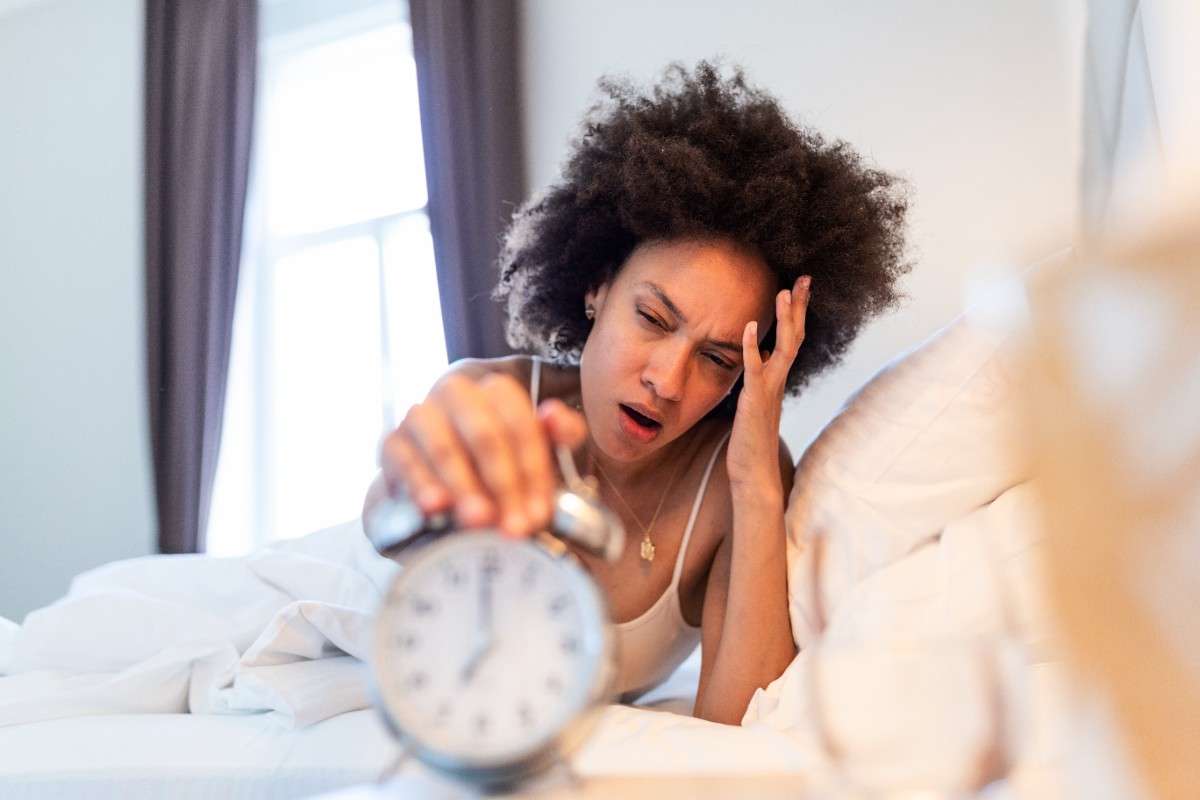
If you sleep a full 7 or 8 hours and still wake up exhausted, the most likely explanation is that your sleep is being fragmented by breathing pauses you never notice. Obstructive sleep apnea repeatedly interrupts your deep, restorative sleep, so your body never fully recharges. Many people write off this tiredness as stress or a busy schedule, but persistent morning fatigue is one of the clearest and most overlooked symptoms of sleep apnea.
The short answer: overlooked sleep apnea symptoms
Loud snoring gets all the attention, but many people with sleep apnea have quieter warning signs. These include waking up tired, morning headaches, dry mouth, brain fog, and grinding your teeth at night. Because these symptoms feel ordinary, they are easy to dismiss. Recognizing them together points to a possible airway problem.
When fatigue is more than ‘just being busy’
Fatigue from sleep apnea is different from ordinary sleepiness. Research shows that fatigue is a distinct symptom that negatively affects people living with obstructive sleep apnea, separate from the urge to nod off during the day, according to qualitative research on individuals with OSA. If your tiredness is heavy, all-day, and does not improve with more time in bed, that is a signal worth taking seriously.
What Is Obstructive Sleep Apnea?
Obstructive sleep apnea is a condition where the muscles and tissues at the back of your throat relax and collapse during sleep, briefly blocking your airway. Each pause forces your brain to partially wake you to reopen the airway, often without you remembering it. This can happen dozens or even hundreds of times a night, which is why your sleep quality suffers even when the total hours look fine.
How breathing pauses fragment your sleep
Every time your airway narrows or closes, oxygen levels dip, and your brain rouses you just enough to resume breathing. These micro-awakenings prevent you from reaching and staying in the deep stages of sleep your body needs for repair and memory. Obstructive sleep apnea is described as a common disorder marked by repeated collapse of the upper airway during sleep in clinical reference material on OSA.
Why snoring isn’t the only warning sign
Snoring often accompanies sleep apnea, but many people with the condition snore softly or not at all, and many people who snore do not have apnea. At Androscoggin Valley Dental, the focus goes beyond snoring alone, since relying on this symptom can miss many cases, especially in women and lighter sleepers. The pattern that matters most is repeated tiredness combined with other daytime and nighttime clues.
5 Overlooked Symptoms of Sleep Apnea
Beyond snoring and gasping, several everyday complaints often trace back to disrupted breathing at night. Here are five symptoms that are commonly missed.
1. Persistent morning fatigue (distinct from sleepiness)
Waking up feeling unrefreshed, even after enough hours in bed, is a hallmark sign. This is a deep, dragging tiredness rather than simple drowsiness, and it can persist through the day regardless of caffeine or naps.
2. Morning headaches and dry mouth
Frequent headaches shortly after waking can result from oxygen dips and disrupted sleep overnight. A dry mouth or sore throat in the morning often points to mouth breathing during airway obstruction, a clue your dentist may connect to your sleep.
3. Mood changes, low motivation, and brain fog
Difficulty concentrating, irritability, low mood, and forgetfulness are common. Obstructive sleep apnea has been linked to depression and cognitive impairment, as summarized in research on OSA, mood, and cognition. If your focus and mood have slipped alongside your sleep, the two may be connected.
4. Nighttime teeth grinding and jaw tension
Grinding or clenching your teeth during sleep, known as bruxism, frequently overlaps with disrupted breathing. Worn, flattened, or sensitive teeth and morning jaw soreness are physical signs your dentist can identify during a routine exam.
5. Waking to urinate or gasping at night
Waking up repeatedly to use the bathroom, or startling awake gasping or choking, are strong indicators of interrupted breathing. A bed partner may also notice pauses in your breathing followed by a snort or gasp.
What Gets Mistaken for Sleep Apnea?
Several conditions can produce the same tiredness and fog as sleep apnea, which is why the diagnosis is often delayed. Stress, insomnia, thyroid problems, anemia, and depression can all mimic the daytime symptoms, so a proper evaluation matters.
Stress, insomnia, and thyroid issues
Chronic stress and insomnia both leave you drained and unfocused, and an underactive thyroid can cause similar fatigue and weight changes. The difference is that sleep apnea fatigue persists even when you get enough time in bed and manage your stress. When tiredness does not resolve, an airway evaluation is reasonable.
Why women’s symptoms are often missed
Women frequently report fatigue, insomnia, mood changes, and headaches rather than the loud snoring more often associated with men. Because these signs are quieter and easily attributed to other causes, sleep apnea in women is commonly overlooked. If you are a woman with unexplained exhaustion, do not rule out an airway cause simply because you do not snore loudly.
The Oral Health Connection to Sleep Apnea
Your mouth holds some of the earliest visible evidence of sleep apnea, which is why a dentist is often the first to raise the possibility. Signs of nighttime breathing trouble show up on your teeth, gums, and jaw long before many people seek help.
Signs your dentist may spot first
During a routine checkup, your dentist may notice worn or cracked teeth, scalloped edges on the tongue, a red or dry throat, or a small and crowded airway. The oral health implications of obstructive sleep apnea, including dry mouth and tooth wear, are described in a review of oral health and OSA. These findings can prompt a conversation about your sleep and a referral for testing.
Bruxism, worn teeth, and airway clues
Teeth grinding and airway obstruction often travel together. Flattened chewing surfaces, chipped enamel, and jaw muscle tenderness are the kind of physical clues that lead a dentist to ask about your sleep. Regular visits, including the best preventive care for new patients, give your dental team the chance to catch these patterns early.
Take these signs seriously
- Waking up tired after a full night of sleep
- Morning headaches and dry mouth
- Worn, flat, or chipped teeth from grinding
- Gasping or choking awake at night
- All-day brain fog and low mood
Avoid these assumptions
- Assuming only loud snorers have sleep apnea
- Blaming all fatigue on a busy schedule
- Ignoring grinding as harmless
- Believing women rarely have sleep apnea
- Self-diagnosing without a sleep study
How Sleep Apnea Is Diagnosed
Sleep apnea is confirmed through a sleep study, not by symptoms alone. Screening can begin with your dentist or doctor noticing warning signs, but a formal test measures how often your breathing pauses and how your oxygen levels respond.
Sleep studies and screening
A sleep study, done in a lab or with an approved home testing device, records your breathing, oxygen levels, and sleep stages to measure the severity of apnea. Diagnosis and management of obstructive sleep apnea rely on this objective testing, as outlined in clinical guidance on OSA diagnosis and management. Screening questionnaires and a physical exam help decide who should be tested.
When to talk to your doctor or dentist
Track your symptoms
Note how often you wake up tired, have morning headaches, or feel foggy, and ask a bed partner about snoring or gasping.
Mention it at your dental visit
Share your symptoms during a checkup so your dentist can examine your teeth, jaw, and airway for supporting clues.
Get tested
If signs point to apnea, your provider can arrange a sleep study to confirm the diagnosis and measure its severity.
Review your options
Once diagnosed, work with your care team to choose the treatment that fits your severity and lifestyle.
Treatment Options, Including Oral Appliances
Sleep apnea is treatable, and the right choice depends on severity, comfort, and your health goals. Options range from lifestyle changes and CPAP therapy to dental oral appliances for many patients.
CPAP and lifestyle changes
Continuous positive airway pressure, or CPAP, uses a mask to keep your airway open with a gentle stream of air and is a first-line therapy for moderate-to-severe apnea. Lifestyle steps such as weight management, sleeping on your side, reducing alcohol, and treating nasal congestion can also improve symptoms and support other treatments.
When to See a Provider in Berlin, NH
If you keep waking up tired, grind your teeth, or notice any of the signs above, it is time to have your mouth and airway evaluated. Our team in Berlin, NH, can examine the dental clues associated with sleep apnea and help guide your next steps.
What to expect at your visit
At your appointment, we review your symptoms and sleep history, examine your teeth and jaw for signs of wear and tension, and assess your airway. We can also explain why dental X-rays matter during your first visit and walk you through a step-by-step guide to your first dental checkup. If needed, we coordinate with your doctor for a sleep study and discuss whether an oral appliance is appropriate.
How Androscoggin Valley Dental can help
We want your first appointment to feel easy, and we work hard to make your first visit comfortable. To ask about tooth wear, jaw tension, or oral appliance therapy for sleep apnea, call us at 603-752-2013 to schedule with Dr. Harry Gulati and our team.
Meet Dr. Harry Gulati
Dr. Harry Gulati, BDS, DMD, CAGS, brings extensive clinical, academic, and research experience to Androscoggin Valley Dental. He earned his Bachelor of Dental Surgery from Dr. D.Y. Patil Dental School, his Certificate of Advanced Graduate Studies in Restorative and Esthetic Dentistry from Boston University, and his Doctor of Dental Medicine from Tufts University School of Dental Medicine. He also completed advanced training in implant dentistry through the International Academy of Dental Implantology.
Known for his calm and patient-centered approach, Dr. Gulati provides preventive, restorative, cosmetic, and implant care with a strong focus on long-term function and natural-looking results. He takes the time to explain treatment options clearly, helping patients feel informed, comfortable, and confident throughout their care.
Beyond private practice, Dr. Gulati has served as an Associate Clinical Professor at Tufts University School of Dental Medicine, where his responsibilities have included clinical instruction, diagnosis, treatment planning, and mentoring dental students. He has lectured nationally and internationally on restorative dentistry, dental education, and the treatment of endodontically treated teeth. His professional contributions also include published research, editorial and journal-review roles, dental product evaluation, and participation in organizations such as the American Dental Association, Academy of General Dentistry, and American Dental Education Association.
Dr. Gulati’s commitment to dentistry extends into the community through volunteer dental screenings, outreach programs, fundraising, and services supporting children and underserved populations. His dedication to clinical care, education, and service has earned several honors, including Incisal Edge’s Top 40 Under 40 recognition, the Doctors’ Choice Award, and fellowship in the International College of Dentists.
Learn more about Dr. Gulati’s professional background and accomplishments on his LinkedIn profile.
Frequently asked questions
Q: What gets mistaken for sleep apnea?
Stress, insomnia, thyroid problems, anemia, and depression all cause tiredness and fog that can mimic sleep apnea. The key difference is that sleep apnea fatigue persists even after enough hours in bed, so a sleep study is the reliable way to tell them apart.
Q: What does apnea fatigue feel like?
Apnea fatigue is a heavy, dragging tiredness that lasts all day and does not improve with more sleep or caffeine. Research shows it is distinct from ordinary daytime sleepiness, and it often comes with brain fog, low motivation, and irritability.
Q: What are some uncommon symptoms of sleep apnea?
Less obvious symptoms include morning headaches, dry mouth, teeth grinding, jaw tension, waking to urinate, mood changes, and difficulty concentrating. Many of these dental and daytime clues are spotted by a dentist before a diagnosis is made.
Q: Can a dentist help with sleep apnea?
Yes. A dentist can spot early signs such as worn teeth, dry mouth, and jaw tension and provide a custom oral appliance after a diagnosis is confirmed. Oral appliance therapy is an evidence-based option for many people with mild to moderate sleep apnea.
Q: Why do I wake up tired even after 8 hours of sleep?
Waking up tired after 8 hours often means your sleep is being fragmented by breathing pauses that prevent deep, restorative rest. This is a common sign of obstructive sleep apnea and is worth discussing with your doctor or dentist.
Want to schedule an appointment now? Follow our directions, use this helpful Google Maps link, or get step-by-step navigation via Get Directions.
Remember: Waking up tired, grinding your teeth, and morning headaches can all be signs of sleep apnea worth discussing with your dentist or doctor.
Disclaimer: This article is for general information only and is not a substitute for a diagnosis or personalized advice from a licensed provider at Androscoggin Valley Dental.