
Tooth Replacement Options
Dental Bridges
Replace missing teeth with a natural-looking bridge that restores comfort, function, and confidence.
When a tooth is missing, nearby teeth can shift and chewing may feel uneven or uncomfortable. A dental bridge fills the gap with custom replacement teeth designed to blend seamlessly with your smile. At Androscoggin Valley Dental, bridges are carefully planned to support a balanced bite and long-term oral health.
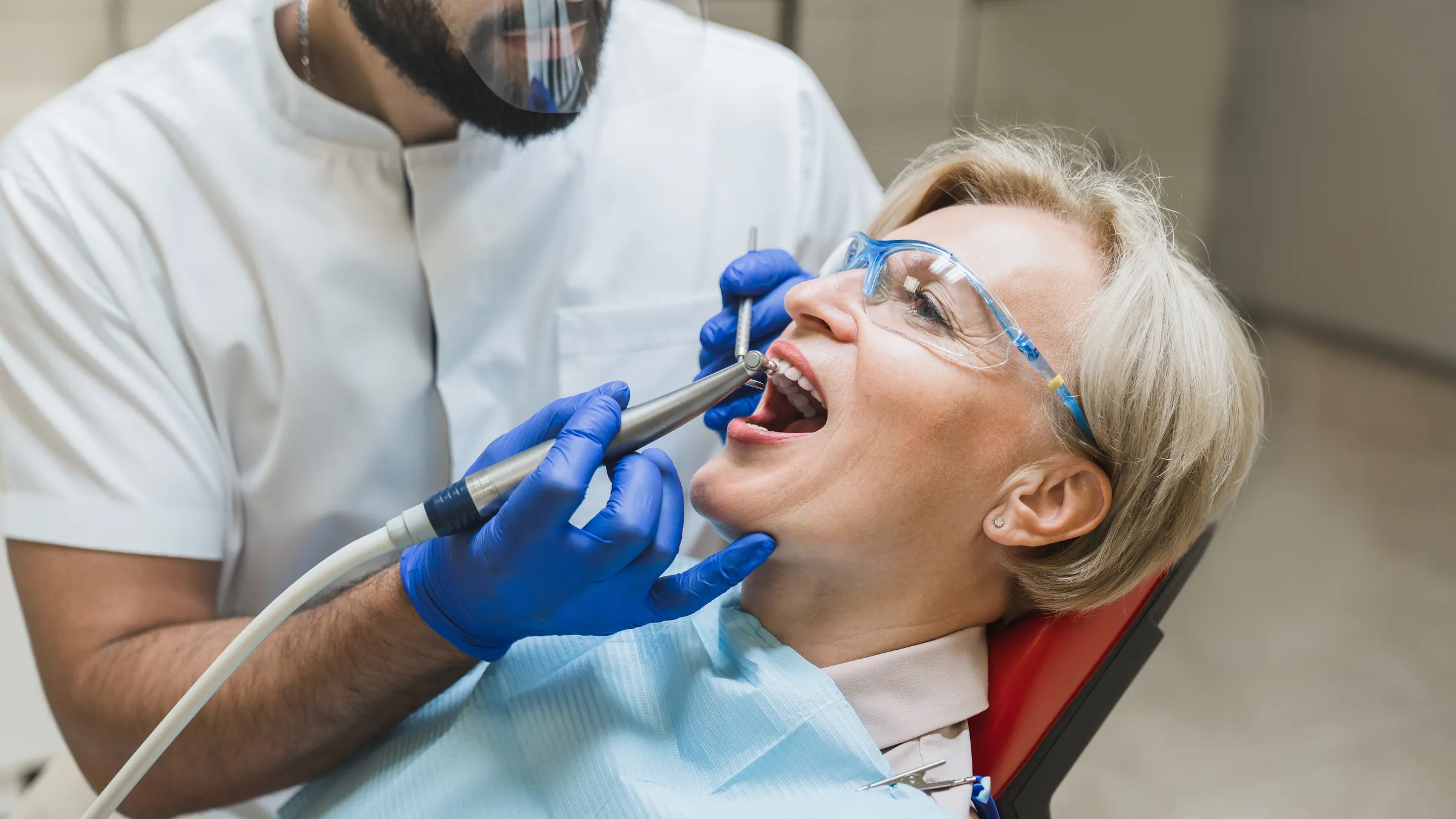
Crafting Beautiful Smiles With Percision And Care
Dental Bridges That Restore Function and Stability
Dental bridges replace one or more missing teeth by anchoring lifelike replacement teeth between stable supports. A well-designed bridge can restore chewing ability, improve speech clarity, and help prevent unwanted tooth movement. Each treatment plan is customized based on bite alignment, gum health, and surrounding teeth.
Traditional vs. Implant-Supported Bridges
There are two common bridge options, and each serves a different purpose. A traditional bridge is supported by the natural teeth next to the gap, while an implant-supported bridge is anchored to dental implants for added stability. The right option depends on bone support, tooth condition, and long-term goals.
- Traditional dental bridges Supported by crowns placed on neighboring teeth.
- Implant-supported bridges Secured to dental implants instead of nearby teeth.
- Improved chewing and speech Restores bite balance and reduces difficulty when eating or speaking.
- Prevents tooth shifting Helps maintain alignment and bite stability over time.
What to Expect During Treatment
Treatment begins with an evaluation to determine the best bridge type and confirm gum and bite health. For traditional bridges, the supporting teeth are prepared and impressions are taken for a precise fit. Implant-supported bridges involve implant placement followed by healing before the final bridge is secured. The goal is a restoration that feels natural, fits comfortably, and functions reliably.
- Bite evaluation to support comfort and even pressure
- Accurate impressions for a secure, natural fit
- Shade matching and contouring for seamless appearance
- Home-care guidance to protect the bridge and surrounding teeth
Am I a Candidate for a Dental Bridge?
You may be a candidate if you are missing one or more teeth and want a fixed replacement option. Traditional bridges require healthy neighboring teeth and stable gums, while implant-supported bridges require adequate bone and healthy healing conditions. If gum disease, grinding, or decay is present, those concerns may need to be addressed first.

Dental Bridges FAQ
- What is a dental bridge?
- A dental bridge replaces missing teeth by filling the gap with lifelike replacement teeth supported by neighboring teeth or dental implants.
- How do I know if I need a bridge?
- If you have a missing tooth, a bridge can restore chewing comfort, reduce shifting of nearby teeth, and improve overall bite stability.
- What’s the difference between a traditional bridge and an implant-supported bridge?
- A traditional bridge relies on adjacent teeth for support, while an implant-supported bridge is anchored to dental implants for added strength and stability.
- Does getting a dental bridge hurt?
- Numbing is used during treatment to keep you comfortable. Mild soreness or sensitivity afterward is common and usually temporary.
- How long do dental bridges last?
- With good oral hygiene and regular dental care, many bridges last for years. Longevity depends on bite forces, home care, and supporting tooth or implant health.
- Will my bridge look natural?
- Yes. Bridges are custom-designed to match the shape and color of your natural teeth, with careful attention to bite and contours.
- Can I eat normally with a bridge?
- Most patients return to normal eating once they adjust. Starting with softer foods initially can help during the adjustment period.
- How do I clean around a bridge?
- Daily brushing and specialized flossing tools help keep the area clean and protect against decay or gum inflammation.
- Is a bridge better than a removable partial denture?
- It depends on your goals and oral health. Bridges are fixed and often feel more natural, while removable options may be appropriate in certain cases.
- Can a bridge prevent future dental problems?
- Replacing missing teeth can help maintain alignment, reduce uneven bite forces, and protect surrounding teeth from excess wear.


Quick Links
Office Hours
Mon–Thu: 8:00am–5:00pm
Fri–Sun: Closed
Patient Testimonials