Preventive Screening
Oral Cancer Screening
A quick, comfortable check that can make a life-changing difference when done regularly.
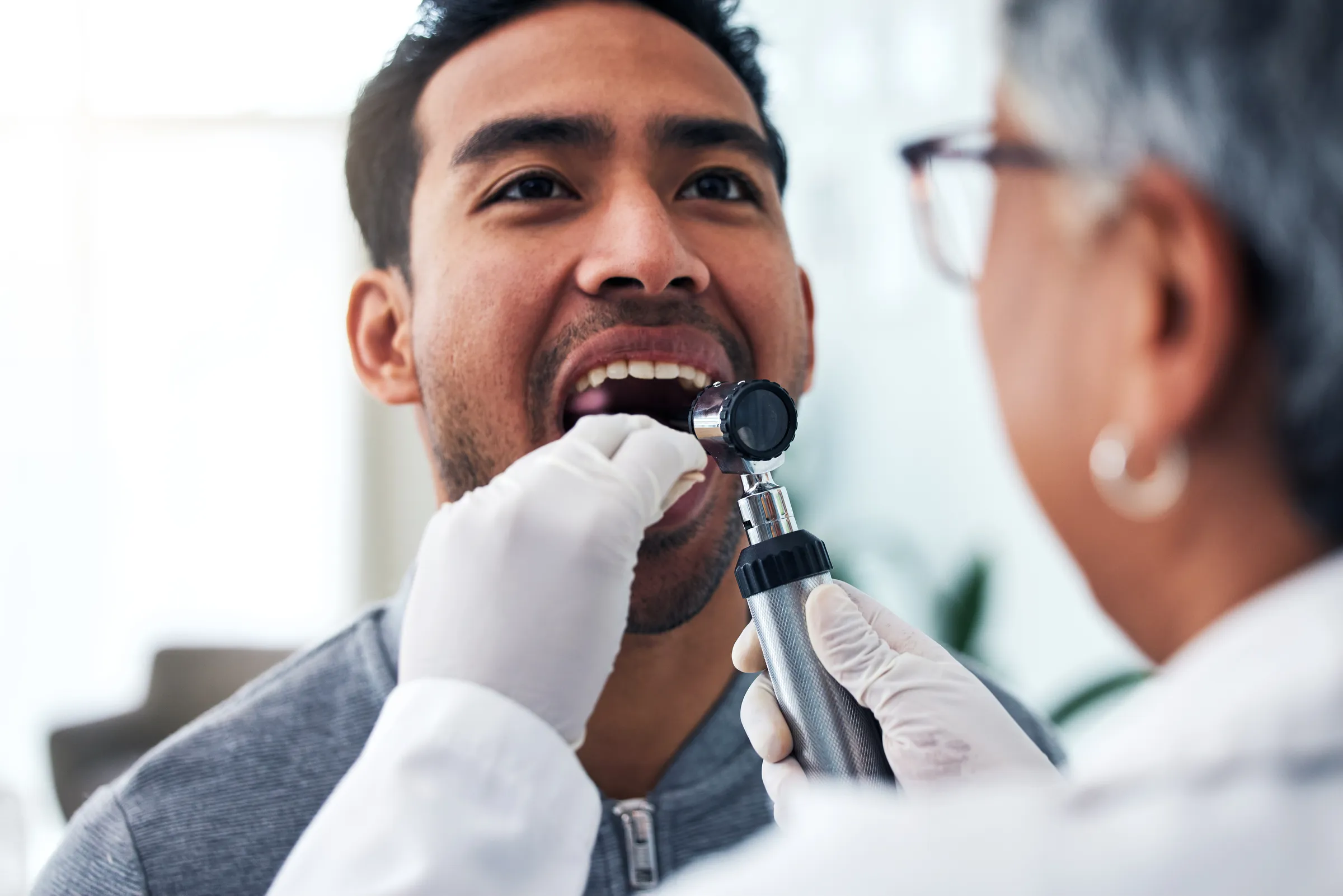
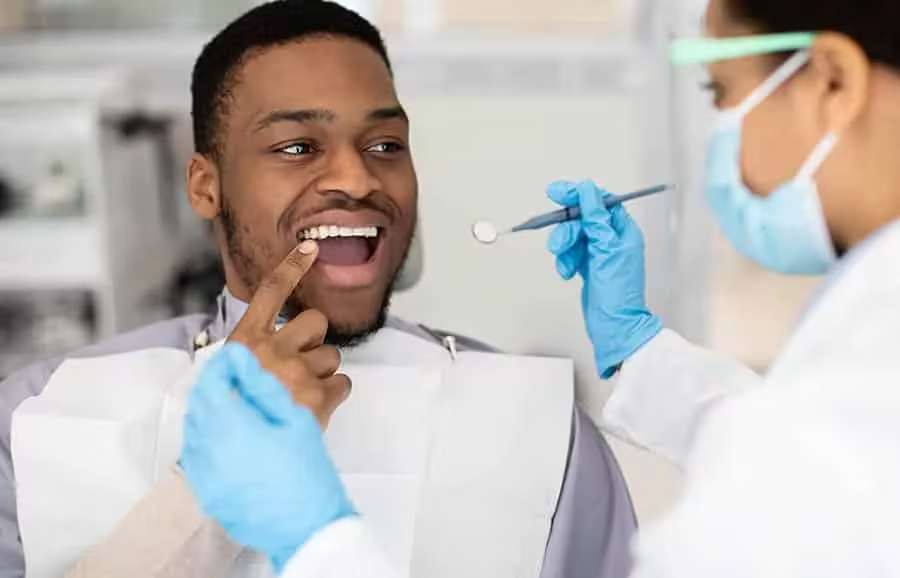
Oral cancer is often easier to treat when it’s found early—sometimes before you notice any symptoms. At Androscoggin Valley Dental, we include a careful visual and tactile exam to look for unusual changes in the mouth, lips, tongue, and throat. It’s fast, noninvasive, and an important part of staying proactive with your health.

Crafting Beautiful Smiles With Percision And Care
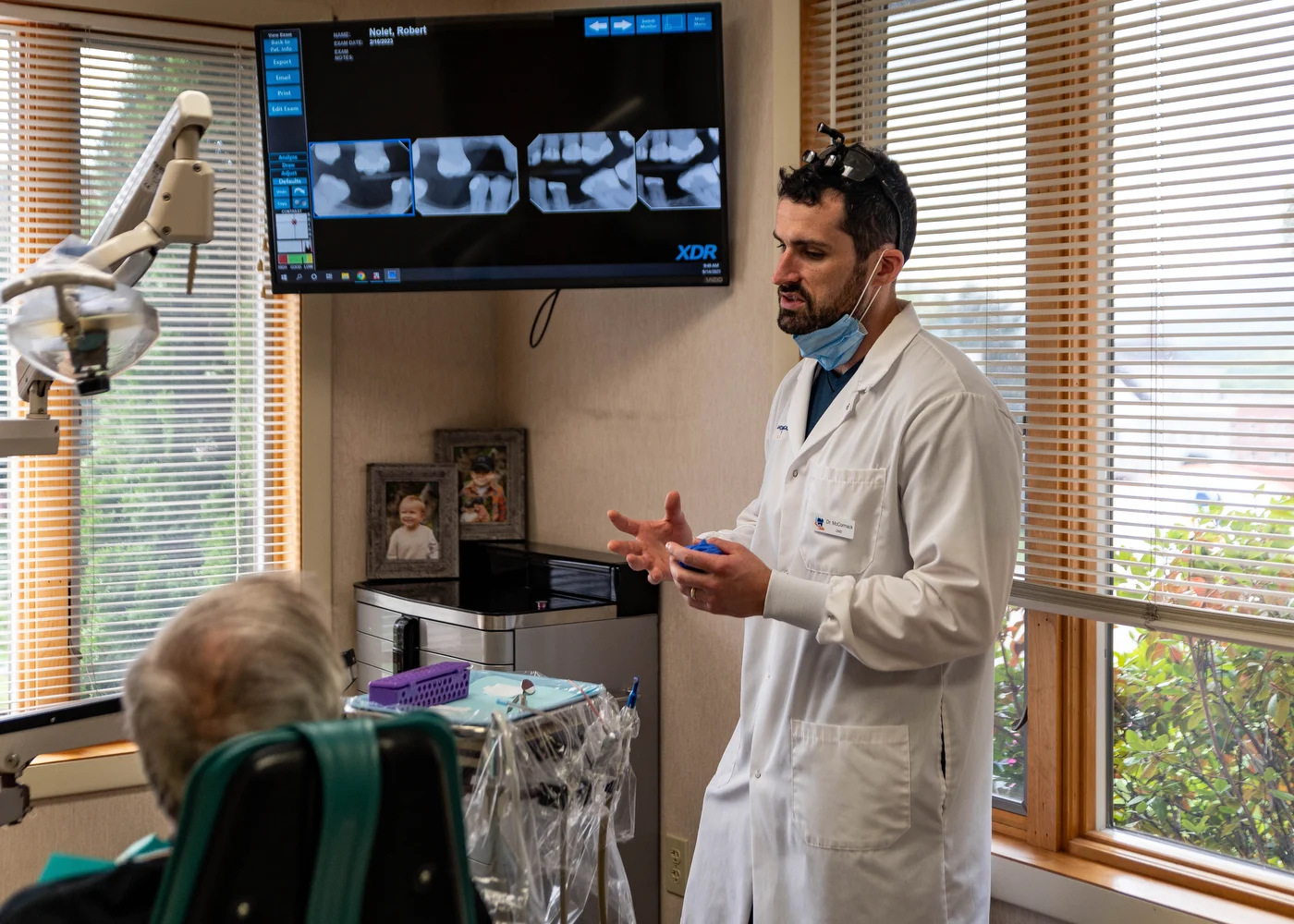
Oral Cancer Screening at Androscoggin Valley Dental
An oral cancer screening is a focused exam that checks for abnormal tissue changes that may need monitoring or further evaluation. We make it easy to include this screening during routine visits so subtle concerns don’t get overlooked.
Why Screening Matters
Many early changes can be painless and easy to miss at home. Regular screenings help identify concerns sooner, when next steps are often simpler and outcomes can be better. Screening is especially important if you use tobacco, vape, drink alcohol frequently, have a history of HPV exposure, or spend significant time in the sun (especially for lip tissue).
- Early awareness Identifies suspicious changes before symptoms become obvious.
- Fast and noninvasive A brief exam during your visit—no recovery time needed.
- Personalized risk review We discuss habits, history, and any symptoms you’ve noticed.
- Clear next steps If we see something concerning, we guide you on monitoring, imaging, or referral as appropriate.
What We Check During An Oral Cancer Screening
We examine the lips, cheeks, gums, tongue (top and underside), floor of the mouth, palate, and the back of the throat. We also gently feel for lumps, firmness, or tender areas in the tissues and around the jaw and neck. If you wear dentures or have areas that rub, we’ll check those sites carefully, too.
- Visual exam under bright light to spot color or texture changes
- Tissue check for sores, patches, or areas that don’t heal as expected
- Palpation of oral tissues and neck to detect unusual lumps or firmness
- Guidance on monitoring and follow-up timing based on what we find
When To Reach Out Between Visits
Let us know if you notice a sore that doesn’t heal within two weeks, persistent pain, a lump, numbness, red or white patches, trouble swallowing, or a change in voice. Even when a change isn’t serious, it’s worth checking. If you have a concern or you’re due for a checkup, we can help you decide the right next step.
Oral Cancer Screening FAQ
- What is an oral cancer screening?
- It’s a targeted exam where we look closely at the mouth and throat and gently feel the tissues to identify unusual changes that may need monitoring or further evaluation.
- Does an oral cancer screening hurt?
- No. The exam is typically quick and comfortable. You may feel gentle pressure as we check the tissues and areas around the jaw and neck.
- How long does the screening take?
- In most cases, just a few minutes as part of your regular appointment. If you have a specific concern to evaluate, it may take a bit longer so we can assess it thoroughly.
- What symptoms should I watch for at home?
- Watch for a sore that doesn’t heal within two weeks, a persistent lump, numbness, unexplained bleeding, red or white patches, or ongoing pain or difficulty swallowing.
- Who is at higher risk for oral cancer?
- Risk can be higher with tobacco use (including vaping), heavy alcohol use, certain HPV exposures, significant sun exposure to the lips, and a history of oral cancer or precancerous lesions.
- If you find something unusual, does that mean I have cancer?
- Not necessarily. Many findings are caused by irritation, infection, or trauma. If something looks suspicious or doesn’t resolve, we’ll recommend the right next step—such as re-checking, imaging, or a referral for further evaluation.
- How often should I get screened?
- Many patients receive screening during routine dental exams. We’ll recommend timing based on your health history, risk factors, and any past findings.
- Can dentures or rough teeth cause spots that look concerning?
- Yes—chronic irritation can create sores or thickened tissue. We’ll evaluate the area, address the source of rubbing, and guide follow-up to make sure it heals appropriately.
- Is screening still important if I feel fine?
- Yes. Early changes can be painless, which is why screening is valuable even when you have no symptoms.
- How do I get started?
- Schedule a routine visit and mention any symptoms or spots you’ve noticed. We’ll include an oral cancer screening and explain anything we observe in clear, simple terms.


Quick Links
Office Hours
Mon–Thu: 8:00am–5:00pm
Fri–Sun: Closed
Patient Testimonials