Gum Disease Therapy
Scaling & Root Planing
A deep cleaning that treats infection below the gumline and supports healthier, tighter gums.
If your gums bleed easily, feel tender, or you’re dealing with persistent bad breath, a routine cleaning may not be enough. Scaling and root planing removes harmful buildup from beneath the gums and smooths the tooth roots so irritated tissue can heal. At Androscoggin Valley Dental, we focus on comfort, clear communication, and long-term gum health.

Crafting Beautiful Smiles With Percision And Care
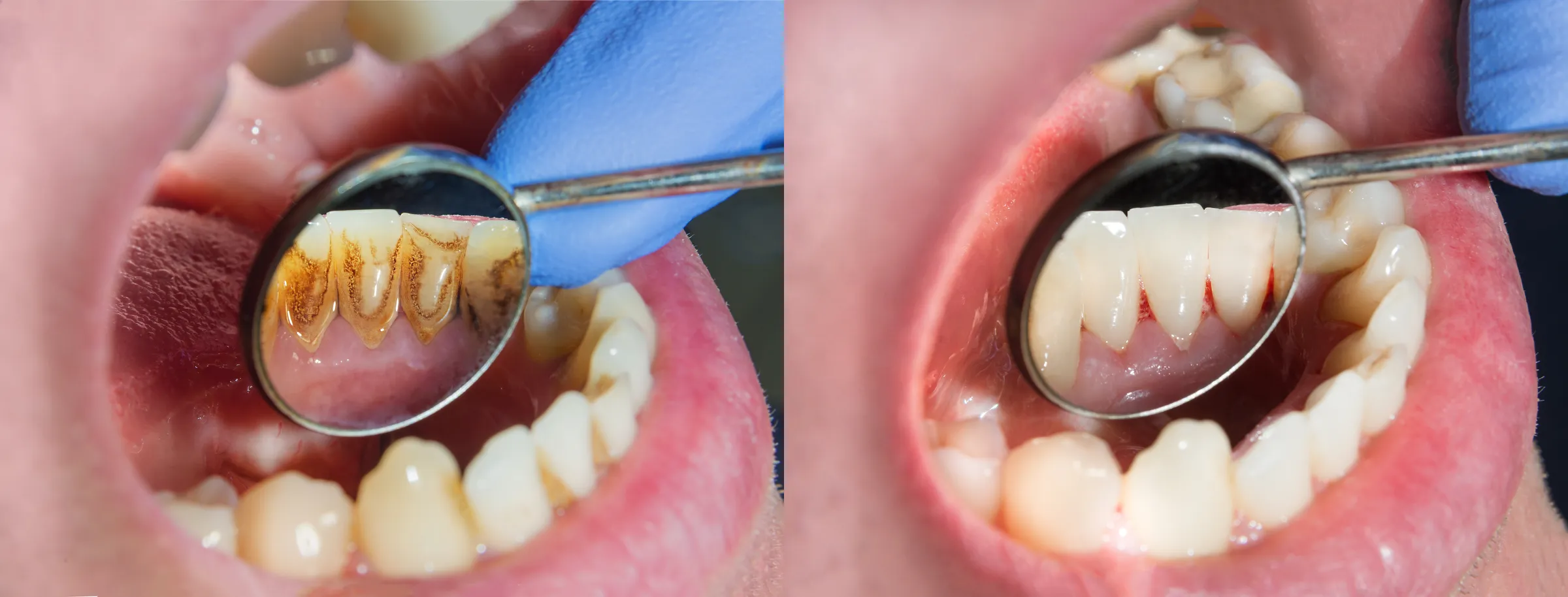
Scaling & Root Planing at Androscoggin Valley Dental
Scaling and root planing is a targeted deep cleaning used to treat gum disease by removing plaque and hardened buildup from below the gumline. This therapy helps reduce bleeding and inflammation, supports healthier gums, and can slow or stop the progression of periodontal disease.
Why You Might Need A Deep Cleaning
When bacteria collect under the gums, the tissue can pull away from the teeth and form pockets that brushing and flossing can’t reach. Over time, this can lead to chronic infection, gum recession, bone loss, and loose teeth. Deep cleaning removes the irritants so gums have the opportunity to heal and reattach more firmly.
- Reduces bleeding and swelling Removes the buildup that triggers inflammation so gums can begin to calm.
- Targets infection below the gumline Cleans deeper areas where routine cleanings cannot reach.
- Supports gum healing Smooths root surfaces to discourage bacteria and promote healthier attachment.
- Protects long-term tooth stability Helps preserve bone and reduce the risk of future tooth loss.
What To Expect During Treatment
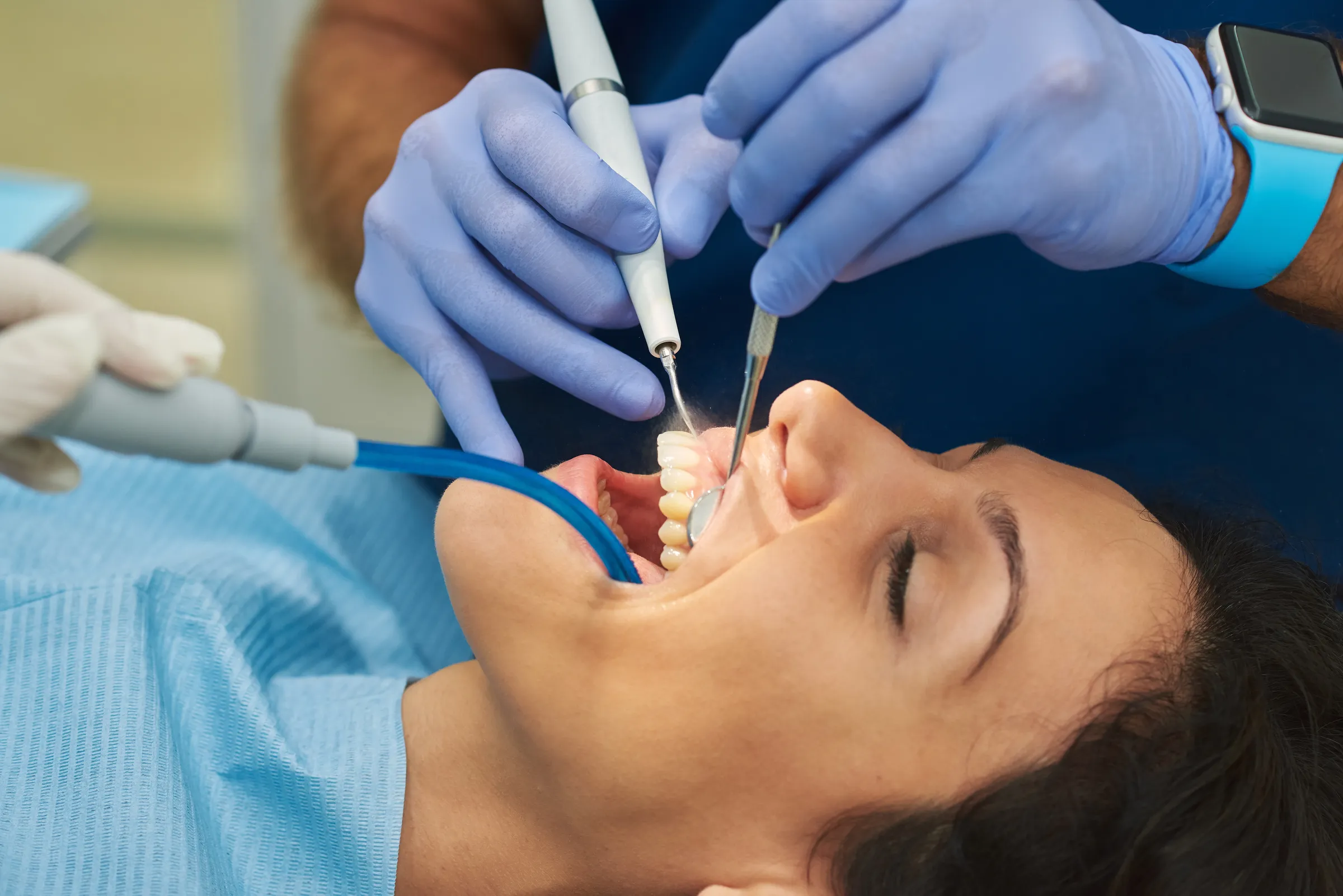
Treatment begins with an exam and gum measurements to identify areas of concern. Plaque and tartar are carefully removed from above and below the gumline, followed by smoothing of the tooth roots. Many patients choose local numbing for comfort, and treatment may be completed in sections depending on the severity of infection.
- Comfort-focused local numbing options
- Thorough cleaning beneath the gumline
- Root smoothing to reduce bacterial buildup
- Follow-up measurements to monitor healing
Aftercare And Long-Term Results
Mild tenderness or sensitivity is common for a few days as gums heal. Keeping the area clean at home is essential, and additional hygiene recommendations may be provided based on your needs. After treatment, gum health is re-evaluated and a maintenance schedule is discussed to help prevent future flare-ups.

Scaling & Root Planing FAQ
- What is scaling and root planing?
- It’s a deep cleaning that removes plaque and tartar from below the gumline and smooths the tooth roots to help reduce infection and support healing.
- How is it different from a regular cleaning?
- A regular cleaning focuses on tooth surfaces above the gums, while scaling and root planing treats deeper areas where gum disease develops.
- Will the procedure be uncomfortable?
- Local numbing is commonly used to keep treatment comfortable. Some pressure may be felt during cleaning, followed by mild tenderness afterward.
- How do I know if I need deep cleaning?
- Bleeding gums, chronic bad breath, gum recession, puffiness, or deeper gum pocket measurements during an exam are common indicators.
- How many appointments are needed?
- The number of visits depends on the extent of infection and how many areas require treatment. Care is often completed in sections.
- What should I expect after treatment?
- Mild soreness or sensitivity may last a few days. As healing progresses, many patients notice reduced bleeding and fresher breath.
- Will antibiotics be required?
- Not always. In some cases, a medicated rinse or localized treatment may be recommended based on infection severity.
- Does this cure gum disease?
- Deep cleaning can effectively control gum disease and significantly improve gum health, especially with ongoing home care and maintenance.
- How can I maintain results?
- Consistent brushing, flossing or interdental cleaning, and regular periodontal maintenance visits are key to long-term success.
- What’s the next step if gum disease returns?
- If symptoms reappear, further evaluation helps determine whether additional therapy or maintenance adjustments are needed.


Quick Links
Office Hours
Mon–Thu: 8:00am–5:00pm
Fri–Sun: Closed
Patient Testimonials