Comfort-Focused Dentistry
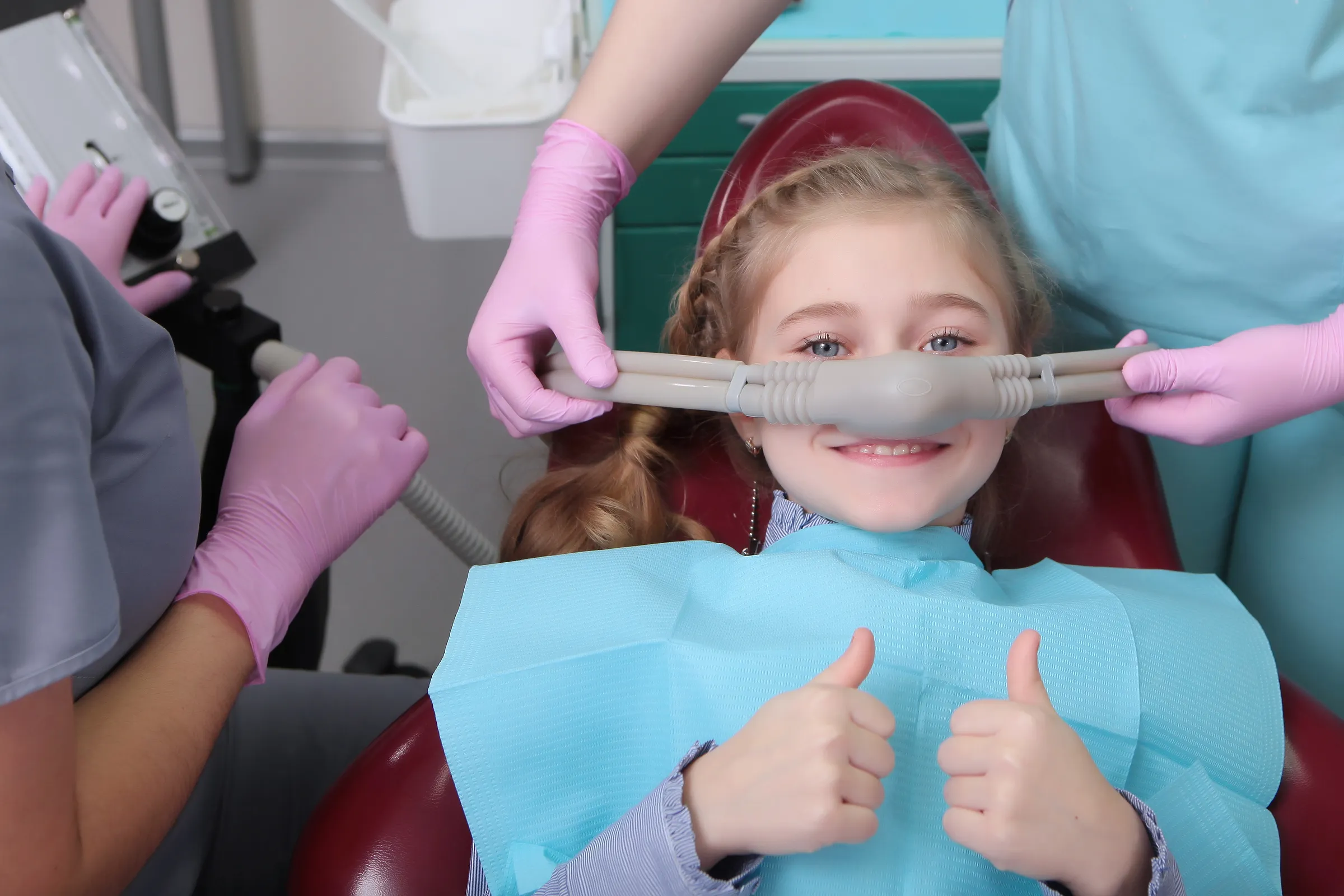
Sedation Dentistry
Feel calm and supported so dental care feels manageable and stress-free.
If dental anxiety, a sensitive gag reflex, or complex treatment has kept you from getting care, sedation dentistry can help. Sedation is designed to reduce worry, increase comfort, and make visits feel easier from start to finish. Options are selected based on your needs, health history, and the type of care being completed.
Crafting Beautiful Smiles With Percision And Care
Sedation Dentistry Care
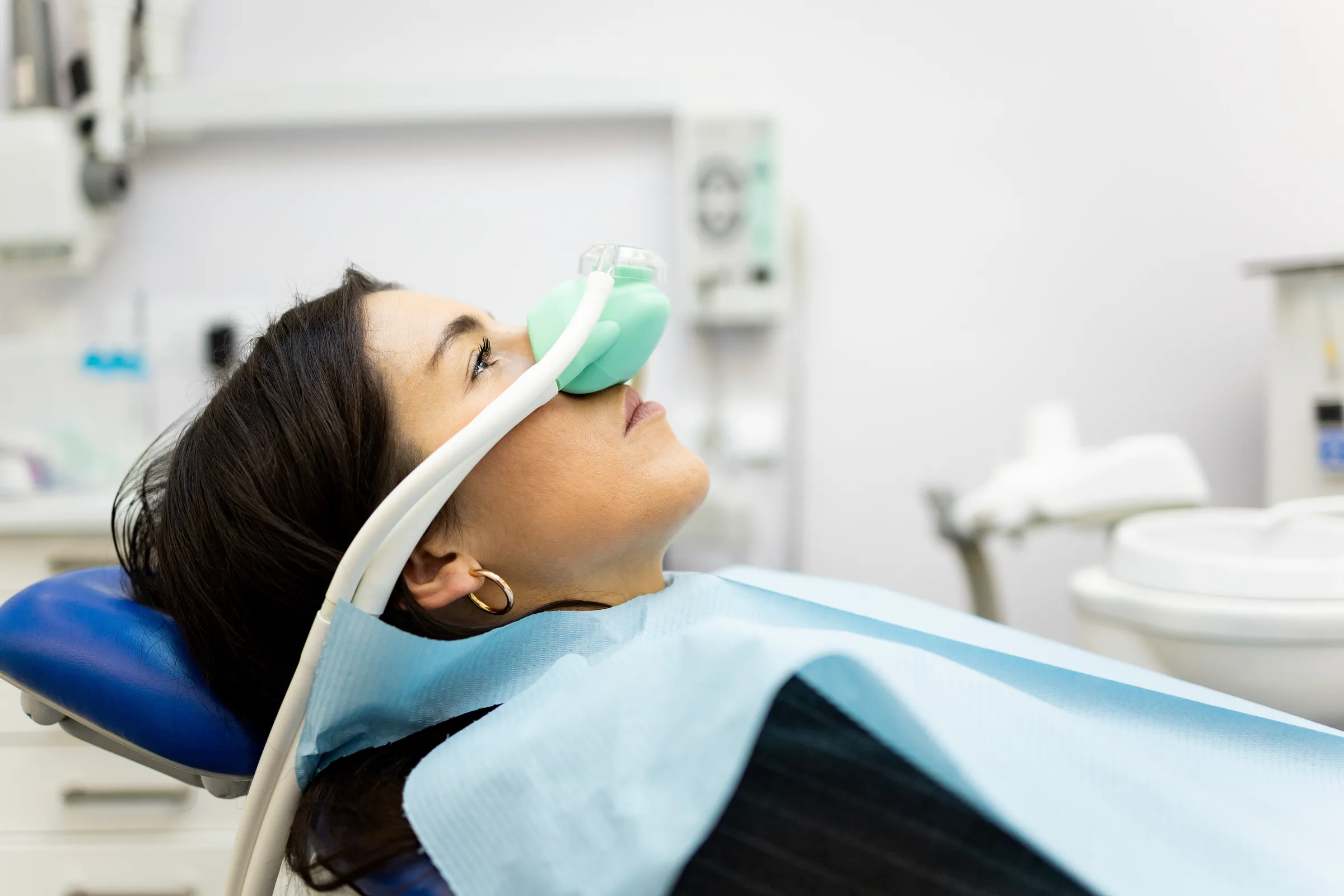
Sedation dentistry helps you stay relaxed during treatment while maintaining safety and comfort. Before recommending sedation, we review medical history, medications, and treatment needs to determine the most appropriate approach. Oral sedation is often used for mild to moderate anxiety, while IV sedation may be recommended for deeper relaxation or longer procedures.
How Sedation Can Help
Many patients delay or avoid dental care due to fear, past experiences, or difficulty tolerating treatment. Sedation can make appointments feel shorter and more manageable, helping you complete necessary care and protect long-term oral health.
- Reduced anxiety and stress Helps create a calmer, more relaxed experience.
- More comfortable visits Supports relaxation during longer or more involved procedures.
- Easier treatment with a strong gag reflex Helps many patients tolerate care more comfortably.
- Improved treatment completion Makes it easier to move forward with recommended care.
Oral vs. IV Sedation
Oral sedation is taken before the appointment and helps you feel drowsy and relaxed while remaining responsive. IV sedation provides a deeper, more controlled level of relaxation and is commonly used for patients with significant anxiety or complex treatment needs. We’ll explain which option is appropriate and what to expect before, during, and after your visit.
- Personalized sedation recommendations based on health history
- Comfort-focused numbing to keep treatment gentle
- Clear pre-visit and aftercare instructions
- Planning support for efficient treatment when multiple needs exist
Preparing for Sedation
Sedation requires advance planning for safety. You may need to avoid eating or drinking for a period of time and arrange transportation after your visit. Instructions are reviewed in advance so you feel prepared and confident going into treatment.

Sedation Dentistry FAQ
- Is sedation dentistry safe?
- For most patients, yes. Safety depends on reviewing medical history, medications, and treatment needs to select the most appropriate option.
- Will I be asleep during sedation?
- With oral sedation, you are usually awake but very relaxed. With IV sedation, you may feel deeply relaxed and remember little of the visit, while still being responsive.
- What is the difference between oral and IV sedation?
- Oral sedation provides mild to moderate relaxation using medication taken before the visit. IV sedation offers deeper relaxation and can be adjusted during treatment.
- Do I still need numbing?
- Yes. Local numbing is still used to ensure treatment remains comfortable and pain-free.
- Who is a good candidate for sedation?
- Patients with dental anxiety, a strong gag reflex, difficulty sitting through treatment, or those needing more involved care often benefit.
- How should I prepare for a sedation appointment?
- You may need to avoid eating or drinking beforehand and arrange a ride home. Specific instructions are provided in advance.
- How will I feel afterward?
- You may feel drowsy or foggy for the rest of the day. Rest is recommended, and most patients feel normal again the following day.
- Can sedation help with gag reflex issues?
- Yes. Relaxation often reduces gag sensitivity and helps treatment feel more tolerable.
- Does sedation dentistry cost more?
- Costs vary based on the type of sedation and treatment involved. Details are reviewed before care begins.


Quick Links
Office Hours
Mon–Thu: 8:00am–5:00pm
Fri–Sun: Closed
Patient Testimonials