Jaw Pain Relief
TMJ Treatments
Reduce jaw tension, headaches, and painful clicking with a plan built around your bite.
Jaw soreness, morning headaches, and clenching can interfere with eating, sleeping, and daily comfort. TMJ treatment focuses on calming strained jaw joints and muscles while protecting teeth from excessive wear. At Androscoggin Valley Dental, care begins with a careful evaluation and prioritizes conservative options first.
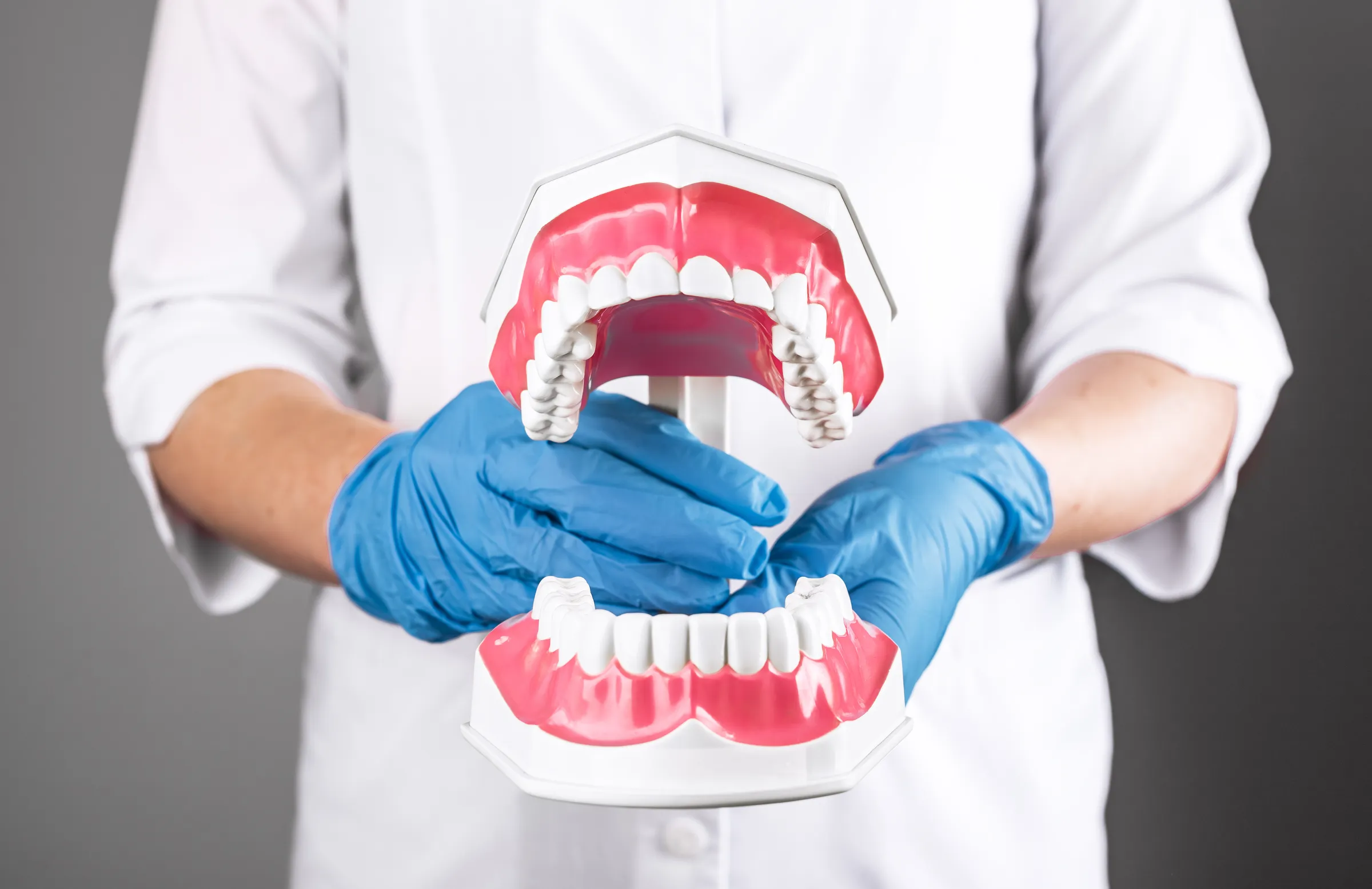
Crafting Beautiful Smiles With Percision And Care
TMJ Treatments at Androscoggin Valley Dental
TMJ treatments are designed to relieve discomfort related to the jaw joints and the muscles that control chewing. We look for contributing factors—such as clenching, grinding, bite imbalance, or muscle overuse—then create a plan to reduce pain and protect your teeth over time.
Common Signs Of TMJ Problems
TMJ issues can appear in different ways. Some people notice clicking or popping, while others experience facial fatigue, tightness, or recurring headaches. Even symptoms that come and go are worth evaluating, as early care can help prevent worsening strain and tooth damage.
- Jaw pain or stiffness Helps reduce muscle tension and joint irritation that make chewing uncomfortable.
- Clicking, popping, or locking Evaluates joint movement and supports improved comfort and range of motion.
- Headaches and facial tension Addresses clenching-related strain that can radiate to the temples, cheeks, and neck.
- Tooth wear or sensitivity Protects enamel from grinding and reduces stress on teeth and restorations.
How TMJ Treatment Works
Care starts with an exam of your bite, jaw movement, and muscle tenderness, and imaging may be recommended depending on symptoms. Treatment often focuses on reducing overload on the joints and muscles, improving bite stability, and protecting teeth from grinding. Many patients experience relief with consistent, conservative care.
- Bite and jaw-joint evaluation to identify contributing factors
- Nightguard or occlusal appliance options to reduce clenching and grinding
- Guidance on gentle stretches, posture, and habit changes
- Ongoing monitoring of tooth wear and bite stability
Next Steps For Lasting Relief
If jaw discomfort is affecting sleep, eating, or daily activities, an evaluation can help identify the cause and the most effective approach. A personalized plan can reduce flare-ups, protect your teeth, and improve overall comfort.

TMJ Treatments FAQ
- What is TMJ and why does it cause pain?
- TMJ refers to the jaw joints and surrounding muscles. Pain can result from clenching, grinding, muscle overuse, inflammation, or bite-related strain.
- How can I tell if I grind or clench my teeth?
- Signs include morning jaw soreness, headaches, tooth sensitivity, flattened tooth edges, or reports of grinding during sleep.
- Is jaw clicking always a concern?
- Clicking without pain may not require treatment, but clicking with pain, locking, or limited opening should be evaluated.
- Can TMJ issues cause headaches?
- Yes. Overworked jaw muscles can refer pain to the temples and face, contributing to tension headaches.
- What is a nightguard?
- A nightguard, or occlusal appliance, is worn during sleep to reduce tooth wear and help lessen muscle and joint strain from grinding or clenching.
- Will a nightguard stop clenching completely?
- It may reduce intensity for some people, but its main role is protecting teeth and helping the jaw muscles relax.
- How long does it take to notice improvement?
- Some people feel relief within weeks, while others need more time depending on symptom severity and consistency of care.
- What can I do at home to help TMJ discomfort?
- Avoid hard or chewy foods during flare-ups, use warm or cold compresses as directed, keep teeth slightly apart when resting, and follow any stretching guidance provided.
- When should jaw symptoms be evaluated urgently?
- Sudden locking, increasing swelling, severe pain, or difficulty opening the mouth normally should be assessed promptly.
- What’s the first step toward treatment?
- An evaluation of your bite, jaw movement, and muscle tension helps determine the most appropriate treatment approach.


Quick Links
Office Hours
Mon–Thu: 8:00am–5:00pm
Fri–Sun: Closed
Patient Testimonials