
Comfortable Tooth Removal
Tooth Extractions
Gentle, straightforward care to relieve pain, reduce infection risk, and protect oral health.
Sometimes a tooth can’t be saved due to advanced decay, infection, crowding, or damage. An extraction removes the source of the problem and helps prevent pain and complications from spreading. Treatment is planned carefully with comfort, healing, and future smile stability in mind.

Crafting Beautiful Smiles With Percision And Care
Tooth Extraction Care
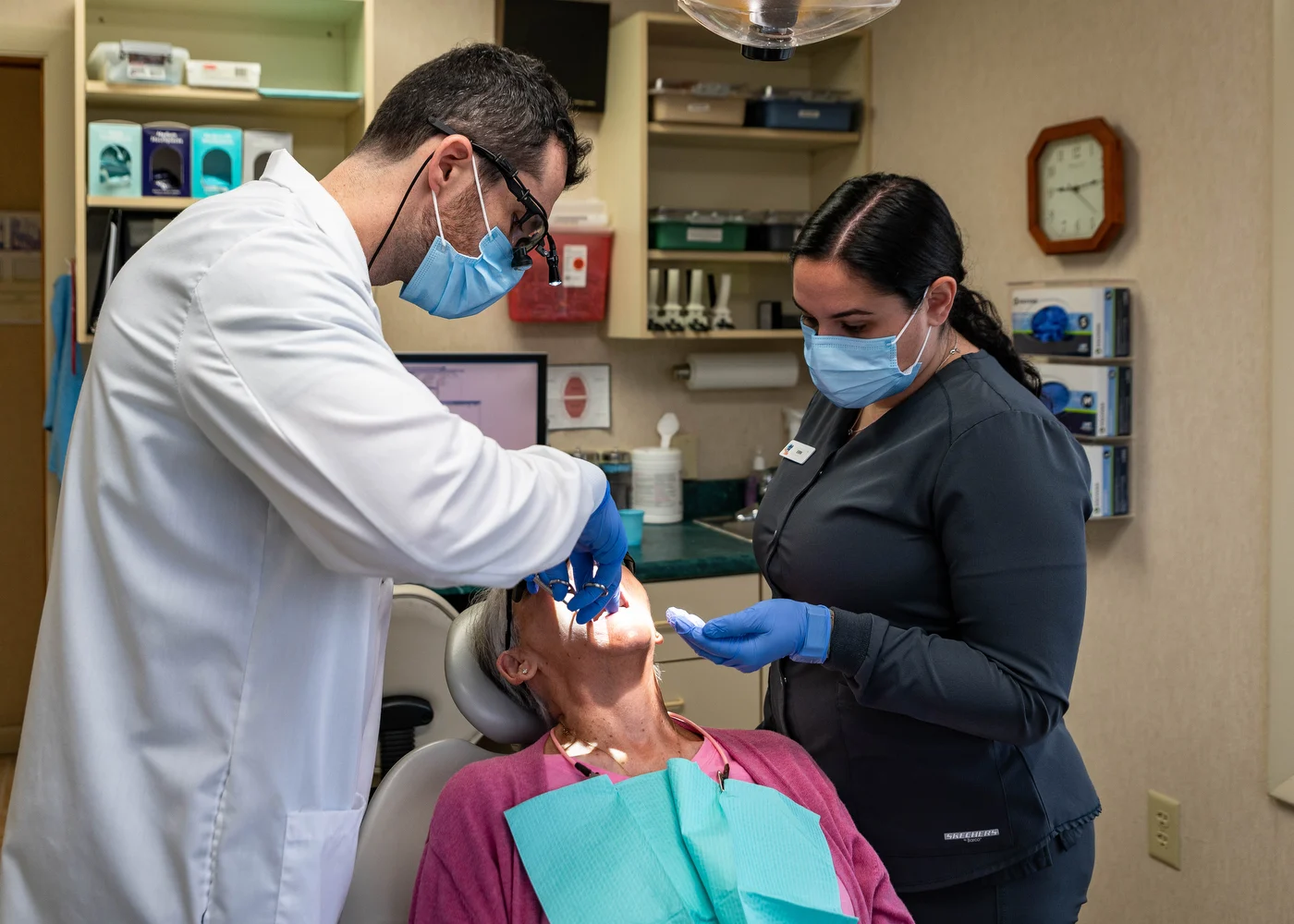
Tooth extraction is recommended when a tooth is too damaged to repair or when keeping it would risk surrounding teeth, bone, or gum health. Before recommending removal, we always evaluate whether repair is possible. When extraction is the healthiest option, care is provided with a gentle approach and clear guidance for healing and next steps.
Why an Extraction May Be Needed
Extractions may be advised for severe decay, advanced infection, fractures below the gumline, crowding, or problematic wisdom teeth. The goal is to resolve pain or infection while protecting the rest of your bite and oral structures.
- Relief from pain or infection Removes teeth that cause persistent discomfort or recurring issues.
- Prevents damage to nearby teeth Reduces pressure and crowding that can harm surrounding teeth.
- Protects bone and gum health Eliminates ongoing inflammation that can weaken support structures.
- Creates a path to restoration Allows planning for replacement options to maintain bite balance.
What to Expect During the Visit
An exam and imaging are used to understand root shape, bone support, and complexity. The area is numbed thoroughly, and the tooth is removed as gently as possible. For impacted or broken teeth, additional steps may be required, which are explained clearly before treatment begins.
- Imaging to evaluate roots, bone, and tooth position
- Local numbing and comfort options tailored to your needs
- Clear, step-by-step explanations during treatment
- Detailed aftercare instructions to support smooth healing
Healing and Tooth Replacement
Most patients recover well with rest, soft foods, and careful home care for a few days. Protecting the healing site early is important for comfort and proper recovery. If an adult tooth is removed, replacement may be recommended to help prevent shifting and bite changes over time.
Tooth Extractions FAQ
- When is a tooth extraction necessary?
- Extractions are recommended when a tooth cannot be repaired, when infection is severe, or when a tooth causes crowding or repeated inflammation.
- Does a tooth extraction hurt?
- The area is numbed thoroughly, so sharp pain should not be felt during the procedure. Some pressure is normal, and post-treatment soreness typically improves within a few days.
- How long does recovery take?
- Most people feel much better within a few days, with continued healing over the following weeks. More complex extractions may take slightly longer.
- What can I eat after an extraction?
- Soft foods are recommended at first, gradually returning to normal foods as comfort improves.
- What is dry socket?
- Dry socket occurs when the healing clot is disturbed, causing pain. Avoid smoking, straws, and vigorous rinsing early on to reduce risk.
- Will I need antibiotics?
- Not always. Antibiotics are used only when clinically necessary, as removing the problem tooth is the primary treatment.
- Do wisdom teeth always need to be removed?
- No. Wisdom teeth are removed only when they cause pain, infection, crowding, or are difficult to keep clean.
- Should an extracted tooth be replaced?
- Replacement depends on the tooth and your bite. Many adult teeth benefit from replacement to prevent shifting and bite problems.
- What should prompt a follow-up call?
- Worsening pain after several days, heavy bleeding, increasing swelling, fever, or a persistent bad taste should be evaluated.


Quick Links
Office Hours
Mon–Thu: 8:00am–5:00pm
Fri–Sun: Closed
Patient Testimonials