
Can You Talk Like a Pro in Aligners? A Public Speaker’s Survival Guide
October 30, 2026
Key takeaways
- A short-lived lisp with sounds like s, z, sh, and th is normal and usually fades within days.
- Reading aloud and gentle rehearsal speed up how fast your speech adjusts.
- Staying hydrated keeps your mouth comfortable and your words crisp on stage.
- Wear your aligners consistently so adaptation sticks rather than resetting.
- Persistent slurring or soreness beyond a couple of weeks is worth a quick call to your dentist.
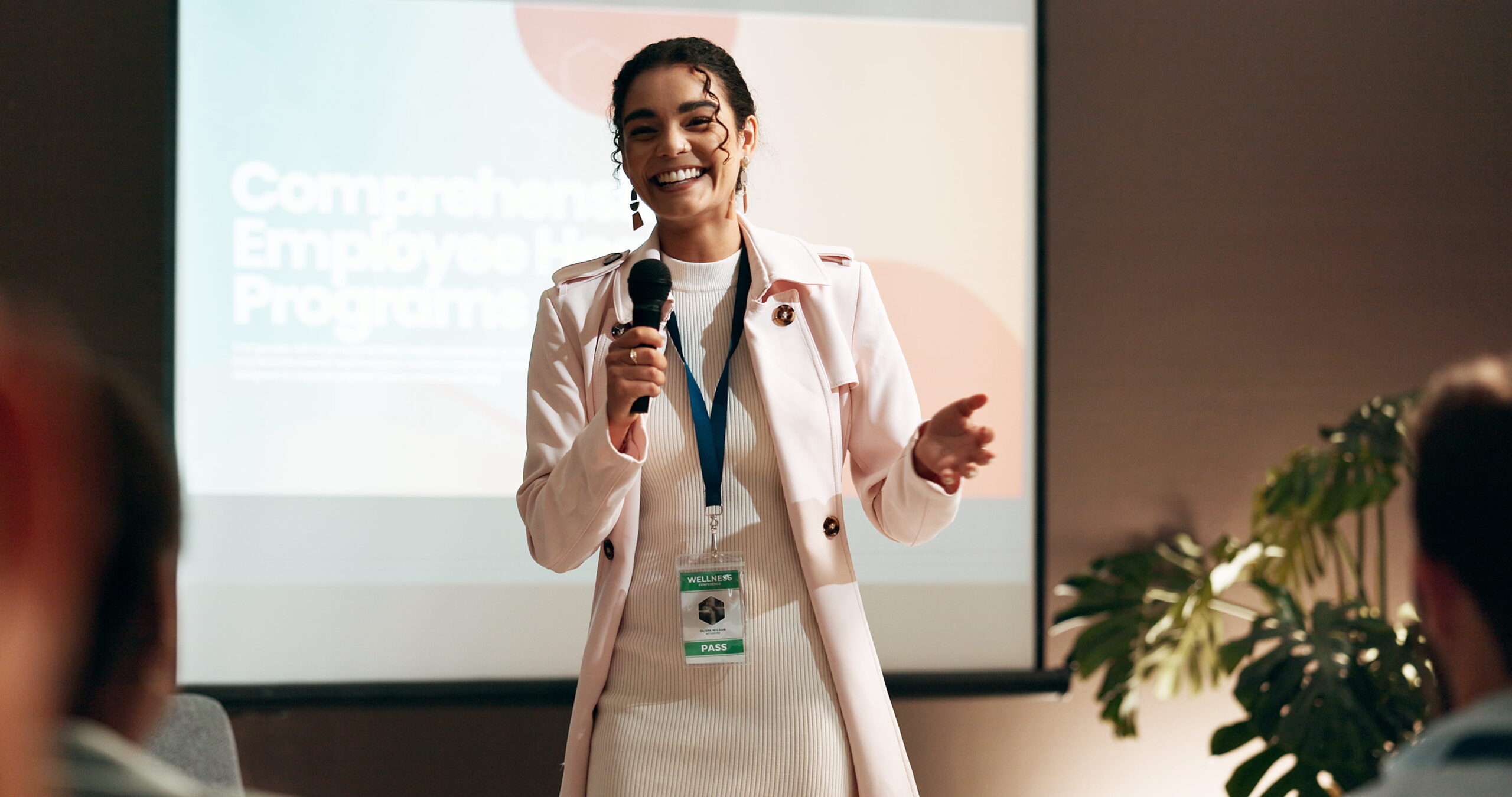
Picture this. You slip in a fresh set of clear aligners, head to the mirror, and launch into your best introduction. Suddenly a tiny whistle sneaks out on the word “sales.” Welcome to the plot twist nobody warns you about. The good news is that this is a short chapter, not the whole story, and with a few clever moves you will be speaking smoothly before your next meeting.
Yes, You Can Speak Like a Pro in Aligners
You can absolutely speak clearly while wearing clear aligners. The thin shells hug your teeth, and your tongue simply needs a short rehearsal to find its new footing. Most people move from “slightly odd” to “totally natural” in a matter of days.
What the research actually says about speech
Studies that pooled multiple patient groups found that any speech change tends to be mild and temporary. A review of the evidence reported that the effect on speaking is usually minor and improves quickly as people get used to wearing their trays, as summarized in a systematic review on aligners and speech.
How long the adjustment really takes
For most wearers, the odd whistle or soft lisp fades within a few days and settles fully inside one to two weeks. Each new tray may bring a faint echo of that feeling, but it fades far faster the second and third time because your tongue already knows the drill.
Why Clear Aligners Nudge Your Speech at First
Clear aligners add a slim new surface to your teeth, and speech is a precision sport that your tongue plays by touch. When the landscape shifts slightly, your tongue briefly misjudges where to land, and that is the whole mystery behind the early lisp.
The tongue, teeth, and the sounds you make
Many sounds depend on your tongue tapping or brushing against the back of your front teeth. With aligners in place, that contact point sits a hair differently, so your brain recalibrates the aim. This is muscle memory updating in real time, and it happens faster than you expect.
Which sounds play hard to get
The usual suspects are the hissing and buzzing sounds: s, z, sh, and th. These rely on a narrow channel for air, and a slim tray can briefly widen or redirect that stream. Expect the occasional whistle on “Mississippi” before it tidies itself up.
Why this is a short-term guest
The change is temporary because your mouth is remarkably good at adapting. Within a short stretch of normal talking, your tongue reroutes automatically, and the sounds snap back into place without you even thinking about it.
What the Evidence Shows About Aligners and Talking
The overall picture from research is reassuring: aligners may cause a brief, minor speech effect that resolves quickly, and they tend to feel comfortable for talking compared with fixed options.
Findings from reviews on speech
Research looking directly at whether aligner treatment causes lasting speech trouble found that difficulties were generally slight and short-lived, with wearers adapting over a short period, as noted in a review on aligner therapy and speech difficulty.
Aligners versus traditional braces for speaking comfort
When researchers compared smooth trays with fixed brackets and wires, the trays tended to be gentler on speech and chewing comfort, according to a comparison of speech and chewing with clear aligners. That smooth inner surface gives your tongue fewer bumps to navigate.
A Speaker’s Survival Guide Before the Big Talk
The smartest preparation happens well before you step on stage. Give yourself a runway so that your speech is polished long before the spotlight hits.
Start your break-in early
If you have a presentation on the calendar, begin a new tray at least a few days to two weeks ahead so your speech settles before showtime.
Read aloud daily
Pick a page from a book or your actual script and read it out loud for ten minutes. Lean into the s, z, sh, and th words on purpose.
Rehearse the real thing
Practice your opening and closing lines until they feel effortless. Confident bookends carry you through the middle.
Hydrate on purpose
Sip water throughout the day. A dry mouth muddies sounds, while a well-watered one keeps every word crisp on stage.
If you are brand new to trays and wondering how the first stretch feels, our guide on the truth about the first week with clear aligners sets honest expectations.
On-Stage Tactics for a Flawless Delivery
Once you are at the podium, a handful of simple habits keep your voice clear and your trays working for you rather than against you.
Should you take them out to present?
In almost every case, keep your aligners in and speak right through your talk. After a proper break-in, listeners will not notice a thing, and leaving them in protects your progress. Taking them out only for oral hygiene is the habit that keeps treatment on track.
Keeping the wear rule on your side
Consistent wear is what makes your speech adaptation permanent. Understanding what the 22-hour rule for Invisalign means helps you plan events without resetting the clock on your comfort.
Pacing, breathing, and the microphone
Slow down just a touch. A measured pace gives your tongue room to land each sound cleanly and reads as confidence to your audience. Breathe from low in your chest, and position the microphone a comfortable hand span from your mouth so it captures a steady, natural tone.
Use these
- Water within easy reach on stage
- A slower, deliberate speaking pace
- Daily read-aloud practice before the event
- Consistent all-day wear for steady adaptation
Avoid these
- Starting a brand new tray the morning of a big talk
- Rushing through tricky s and sh words
- Skipping hours of wear and losing your groove
- Letting your mouth go dry before you speak
Common Complaints and How to Handle Them
Every new wearer runs into a small bump or two. The reassuring part is that each one has a simple, proven fix.
The temporary lisp and how to shrink it
The fastest cure for a lisp is conversation. The more you talk, sing in the car, or narrate your day, the sooner your tongue relearns its route. Reading tongue twisters that are heavy on s and sh sounds turns practice into a game.
Managing early soreness
A little tenderness with a new tray is normal and usually eases within a day or two. Cool water and soft foods help, and gentle talking actually loosens things up rather than making them worse.
When to call your dentist
If a noticeable lisp, slurring, or soreness hangs around well beyond two weeks, reach out to your dental team. A quick check makes sure your trays fit correctly and nothing needs adjusting. You can also lean on Dr. Harry Gulati’s advice for a smooth Invisalign journey for day-to-day reassurance.
Confidence Beyond the Lisp: The Long-Term Payoff
A few days of adjusting buys you something lasting: a straighter smile that shows up in every meeting, pitch, and photo.
A straighter smile for people who speak for a living
If your job puts you in front of crowds, cameras, or clients, a confident smile is part of your toolkit. Reviews of aligner treatment point to dependable results when trays are worn as planned, as reflected in a review of clear aligner effectiveness.
How a straighter smile builds speaking confidence
Many people stand taller and speak freely once they stop hiding their teeth. If that sounds familiar, see how aligners can shift your mindset in our story on how Invisalign supports emotional confidence.
Talk to Androscoggin Valley Dental in Berlin, NH
Ready to straighten your smile without silencing your voice? Our Berlin, NH team maps out a plan that fits your schedule, including those high-stakes speaking weeks.
Personalized planning for speakers and professionals
We time your tray changes around your calendar and coach you through the break-in period, so your speech stays sharp. Meet Dr. Harry Gulati, your go-to Invisalign provider in Berlin, NH, or call us at (603) 752-2013 to start.
Ready to take the next step?
Schedule a consultation with Androscoggin Valley Dental.
Call (603) 752-2013Meet Dr. Harry Gulati at Androscoggin Valley Dental
Dr. Harry Gulati, BDS, DMD, CAGS, brings extensive clinical, academic, and research experience to Androscoggin Valley Dental. He earned his Bachelor of Dental Surgery from Dr. D.Y. Patil Dental School, his Certificate of Advanced Graduate Studies in Restorative and Esthetic Dentistry from Boston University, and his Doctor of Dental Medicine from Tufts University School of Dental Medicine. He also completed advanced training in implant dentistry through the International Academy of Dental Implantology.
Known for his calm and patient-centered approach, Dr. Gulati provides preventive, restorative, cosmetic, and implant care with a strong focus on long-term function and natural-looking results. He takes the time to explain treatment options clearly, helping patients feel informed, comfortable, and confident throughout their care.
Beyond private practice, Dr. Gulati has served as an Associate Clinical Professor at Tufts University School of Dental Medicine, where his responsibilities have included clinical instruction, diagnosis, treatment planning, and mentoring dental students. He has lectured nationally and internationally on restorative dentistry, dental education, and the treatment of endodontically treated teeth. His professional contributions also include published research, editorial and journal review roles, dental product evaluation, and participation in organizations such as the American Dental Association, the Academy of General Dentistry, and the American Dental Education Association.
Dr. Gulati’s commitment to dentistry extends into the community through volunteer dental screenings, outreach programs, fundraising, and services supporting children and underserved populations. His dedication to clinical care, education, and service has earned several honors, including Incisal Edge’s Top 40 Under 40 recognition, the Doctors’ Choice Award, and fellowship in the International College of Dentists.
Learn more about Dr. Gulati’s professional background and accomplishments on his LinkedIn profile.
Frequently asked questions
Yes. After a short break-in of a few days, nearly everyone speaks clearly with clear aligners. The trays are thin and smooth, so your tongue quickly relearns where to land for each sound, and listeners rarely notice anything once you have adjusted.
The most common early complaint is the feeling of something new in the mouth, which can bring a faint lisp or mild soreness for a day or two. Both usually fade quickly, and talking more and staying hydrated speeds the adjustment along.
Most people stop lisping within a few days to two weeks. Reading aloud and holding regular conversations help your tongue adapt faster, and each new tray tends to feel normal much sooner than the first one did.
In almost every case, keep them in and speak right through your presentation. After a proper break-in, your speech sounds natural, and leaving your aligners in protects your treatment progress. Take them out only for oral hygiene.
No. Research comparing smooth trays with fixed brackets and wires suggests aligners tend to be gentler on speech and chewing comfort, since their smooth inner surface gives your tongue fewer bumps to work around.
Want to schedule an appointment now? Follow our directions, use this helpful Google Maps link, or get step-by-step navigation via Get Directions.
Remember: A brief lisp is a normal first step, not a roadblock. Keep wearing your aligners, keep talking, and your clear voice returns quickly.
Disclaimer: This article is for general information only and is not a substitute for personal dental advice. Please consult your dentist about your individual treatment and concerns.
