The Hidden Link Between Sleep Apnea and Heart Disease
November 18, 2026
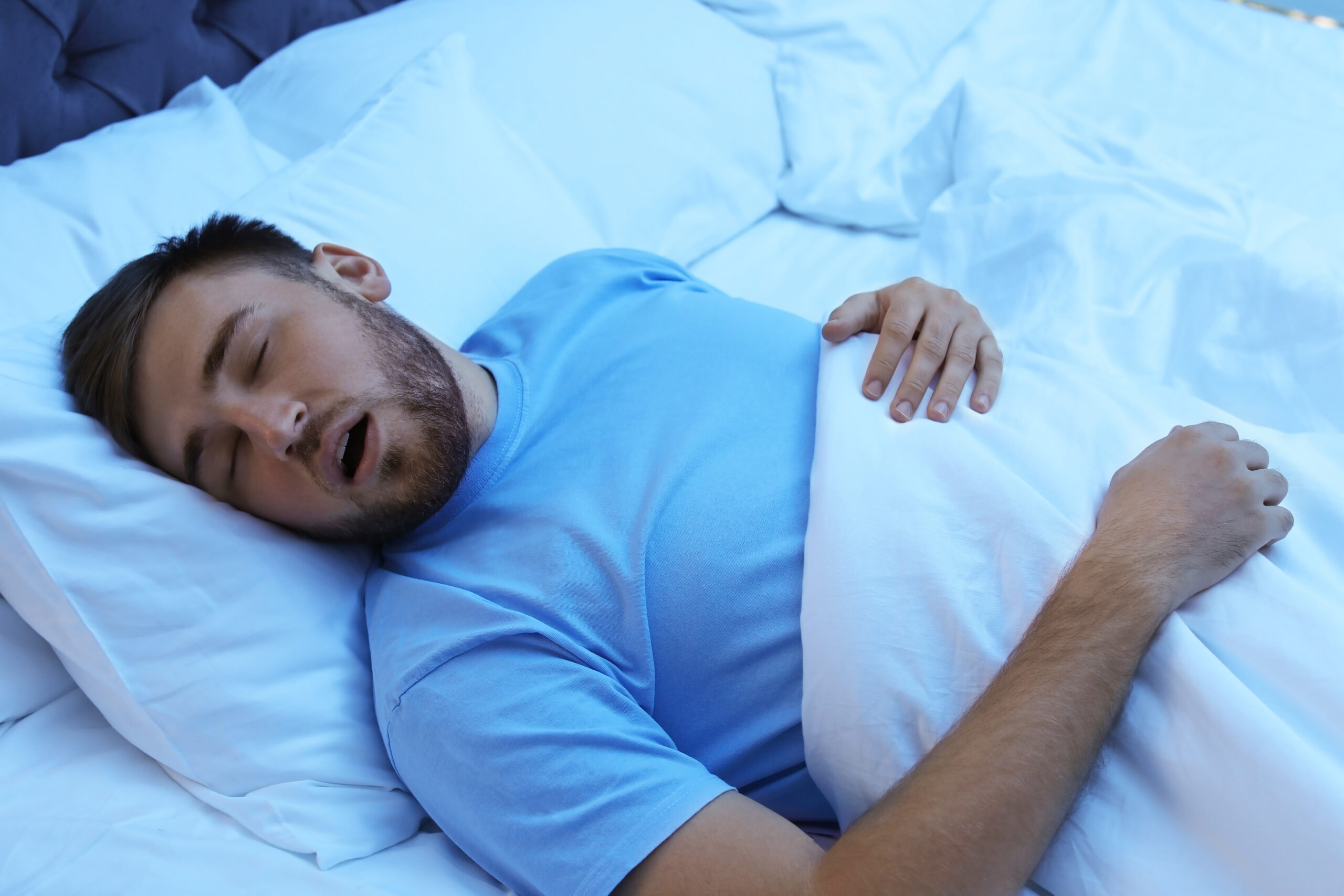
Key takeaways Sleep apnea repeatedly interrupts breathing at night, forcing the heart to work harder and raising blood pressure. Untreated cases are tied to higher risks of hypertension, heart failure, atrial fibrillation, and stroke. Loud snoring, gasping at night, and heavy daytime fatigue are warning signs worth taking seriously. A dentist in Berlin, NH can…

Moving to a New City Mid-Treatment? How to Keep Your Smile Journey on Track
November 18, 2026
Quick answer To keep dental treatment on track when you move, request your full records and scans before leaving, follow your current wear and care routine without interruption, and schedule a consultation with a new provider in your city before your next appointment is due. 5 steps Simple checklist before you relocate 22 hrs Daily…
Your Brain Is Holding Its Breath: The Hidden Story of Sleep Apnea
November 18, 2026
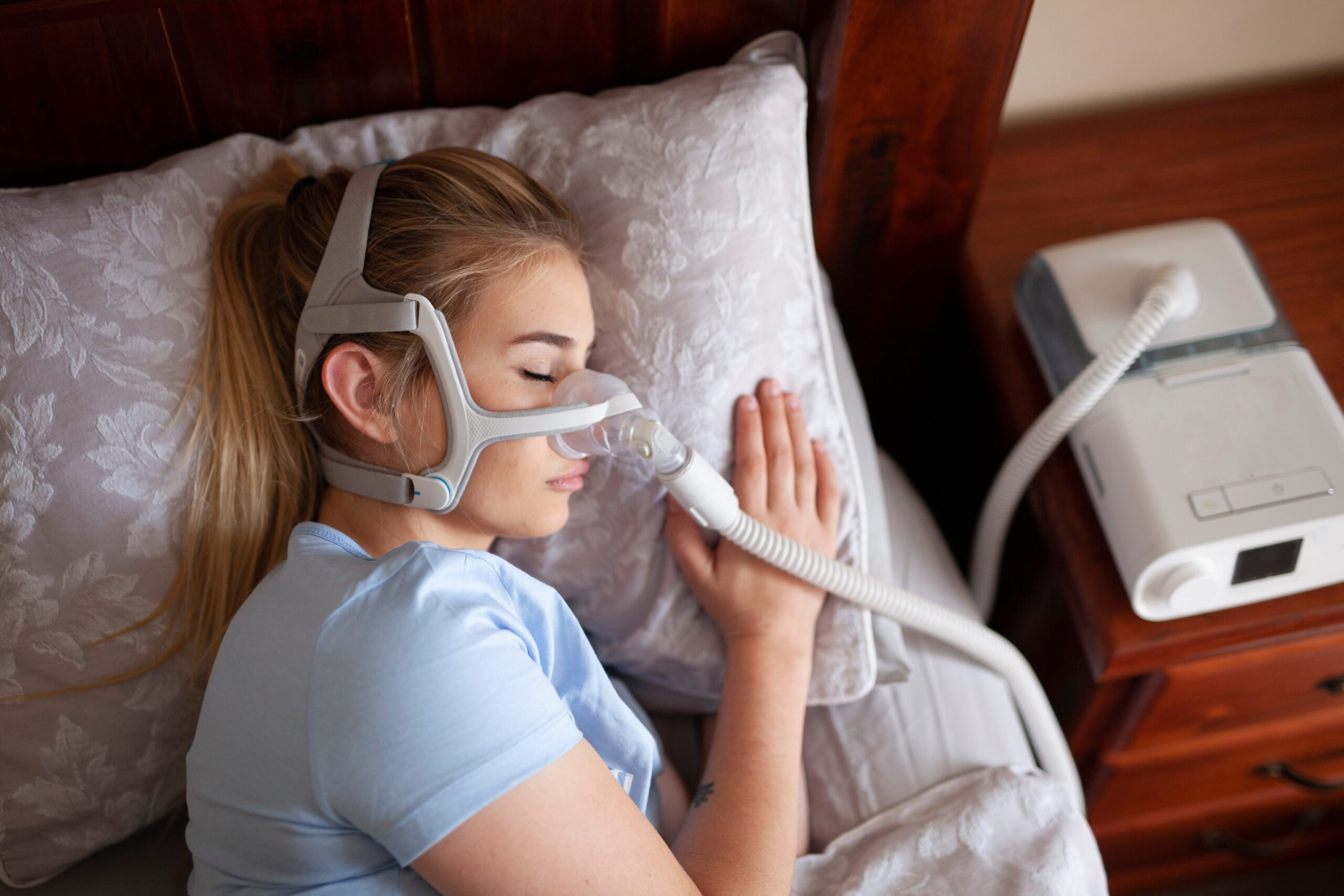
Quick answer Sleep apnea is a condition where breathing repeatedly stops and starts during sleep, briefly cutting off oxygen to the brain. It is diagnosed with a sleep study and treated with CPAP, custom dental appliances, and lifestyle changes. 936 million Adults worldwide estimated to have sleep apnea 5 or more Breathing events per hour…
Why Your Teeth Turn Yellow Even When You Brush Daily
October 30, 2026
Key takeaways Brushing removes surface debris, but it cannot change the natural color of the layer under your enamel. Dark drinks, tobacco, acidic foods, and skipped cleanings are the most common reasons for a dull smile. Surface stains often respond to whitening, while deeper discoloration may need other solutions. A professional cleaning and evaluation can…
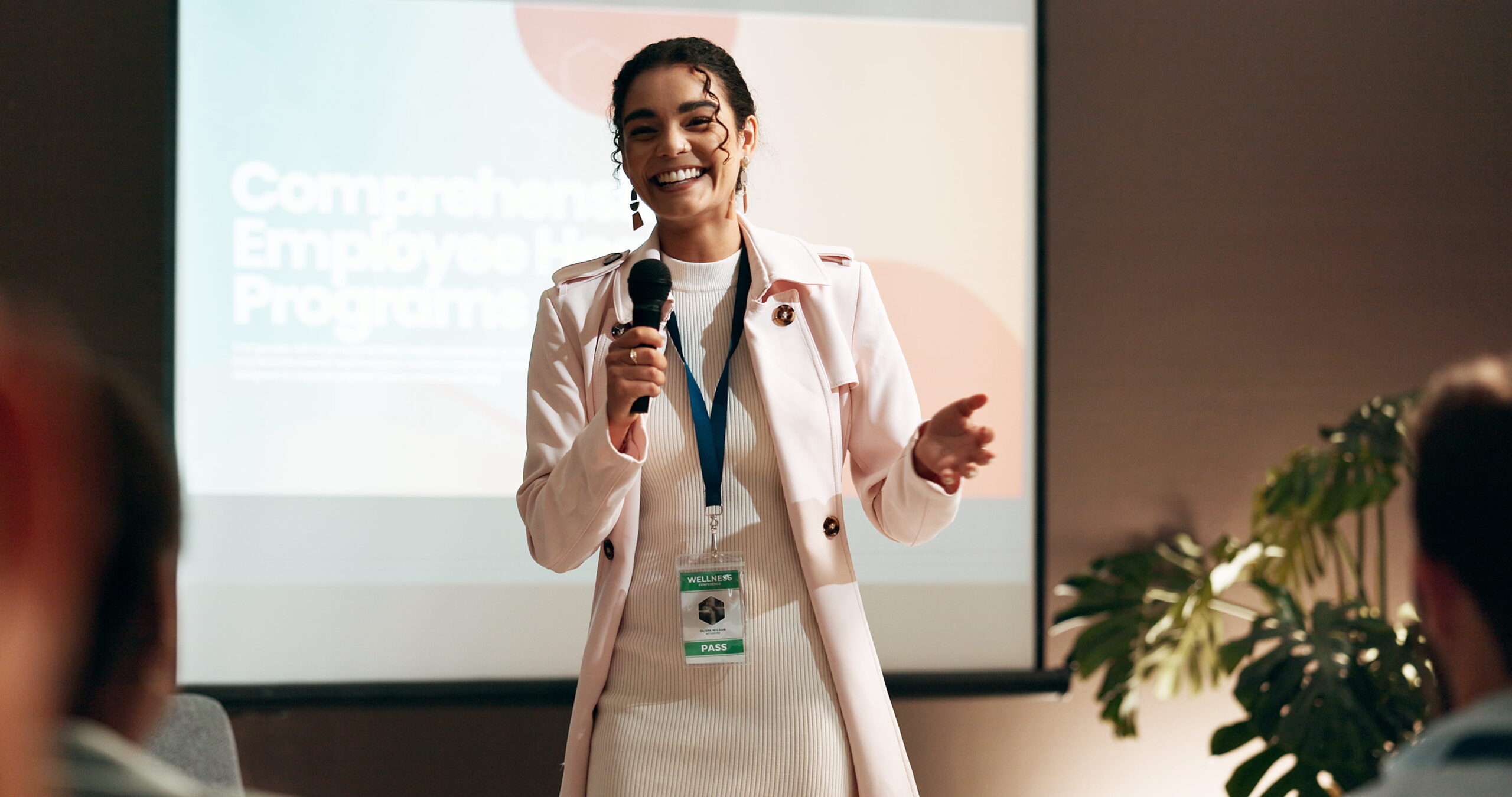
Can You Talk Like a Pro in Aligners? A Public Speaker’s Survival Guide
October 30, 2026
Key takeaways A short-lived lisp with sounds like s, z, sh, and th is normal and usually fades within days. Reading aloud and gentle rehearsal speed up how fast your speech adjusts. Staying hydrated keeps your mouth comfortable and your words crisp on stage. Wear your aligners consistently so adaptation sticks rather than resetting. Persistent…

Coffee, Dates, Meetings and Invisalign: How to Handle Aligners in Real Life
October 21, 2026
Key takeaways Wear your aligners all day and night, taking them out only for cleaning your teeth and aligners. Coffee, tea, wine, and other colored or hot drinks can stain or warp aligners, so take them out first. Aim for roughly 22 hours of wear each day to keep your progress on schedule. Rinse your…
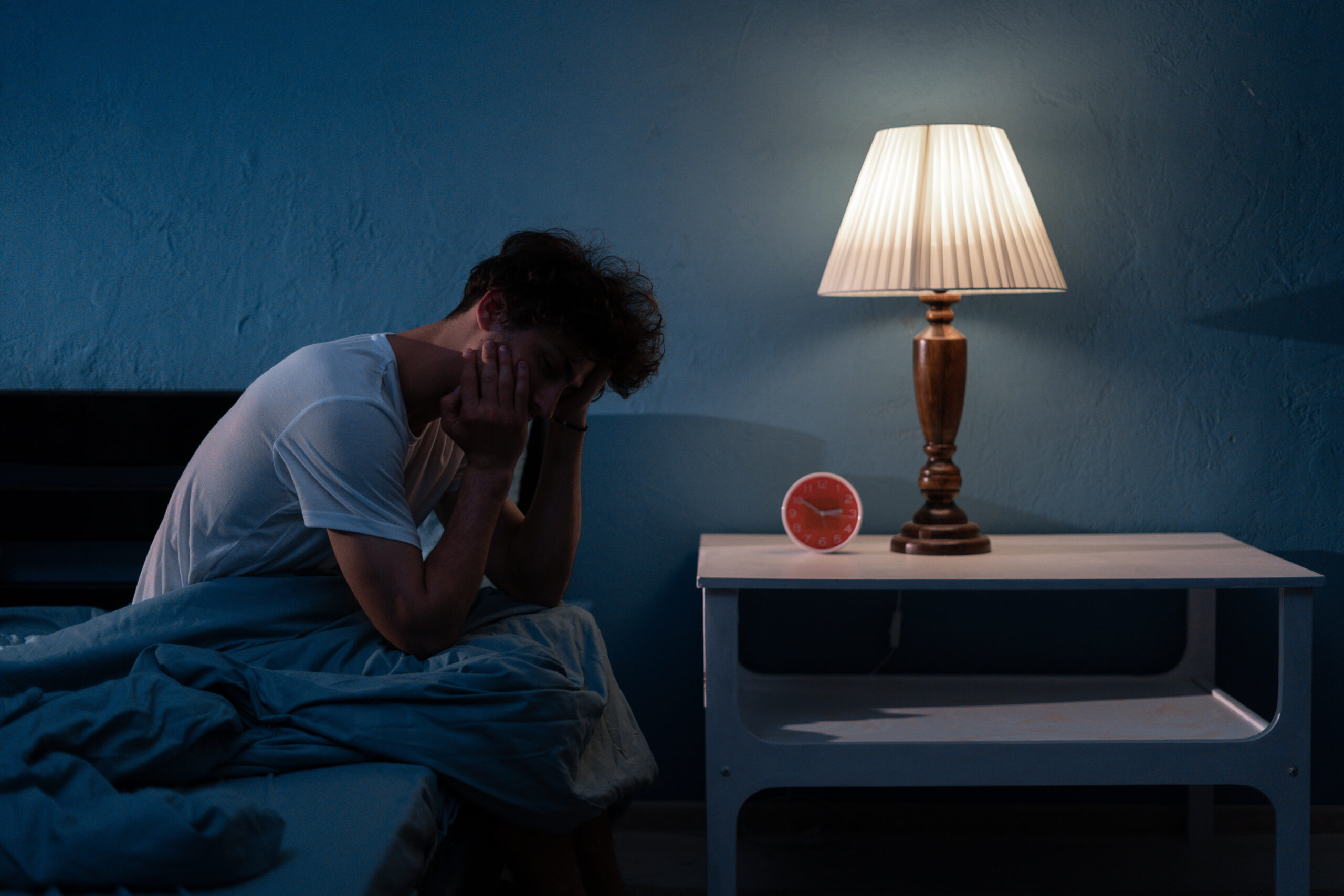
Your Pillow Knows: The Sleep Clues You Might Be Missing
October 21, 2026
Key takeaways A yellowing, flattened, or damp pillow often signals mouth breathing, drooling, or a worn-out pillow that no longer supports your neck. Morning jaw pain, headaches, and unexplained tooth sensitivity can point to nighttime clenching or grinding. Snoring and a dry mouth on waking may be worth mentioning to your dentist, since they can…

The Day You Forget Your Aligner Case: Now What?
October 21, 2026
Key takeaways Keeping your aligners in your mouth is almost always the safest choice when a case goes missing. A clean sealed container or zip bag beats a napkin every single time. Missing part of a day rarely derails progress, but repeated gaps can slow your smile down. Call your dental team before switching trays…

Millennials and Invisalign: What’s Driving the Trend?
October 21, 2026
Quick answer Millennials choose Invisalign because it is discreet, removable, and fits a busy professional lifestyle while quietly straightening teeth and supporting long-term oral health under dentist-guided care. 22 hrs/day Recommended daily aligner wear Adults Fastest-growing aligner age group Berlin, NH Where to start with Dr. Harry Gulati Key takeaways Millennials favor Invisalign for its…

Can You Have Sleep Apnea Even If You Don’t Snore?
October 21, 2026
Quick answer Yes, you can have sleep apnea even if you never snore. Snoring is only one possible sign of the condition, and many people, especially women, experience quiet breathing pauses, daytime fatigue, and other symptoms without any loud sound at all. Non-snorers Can still have obstructive apnea Home or lab Two ways to test…
